Whirinaki Te Pua-a-Tāne: A Prehistoric Rainforest
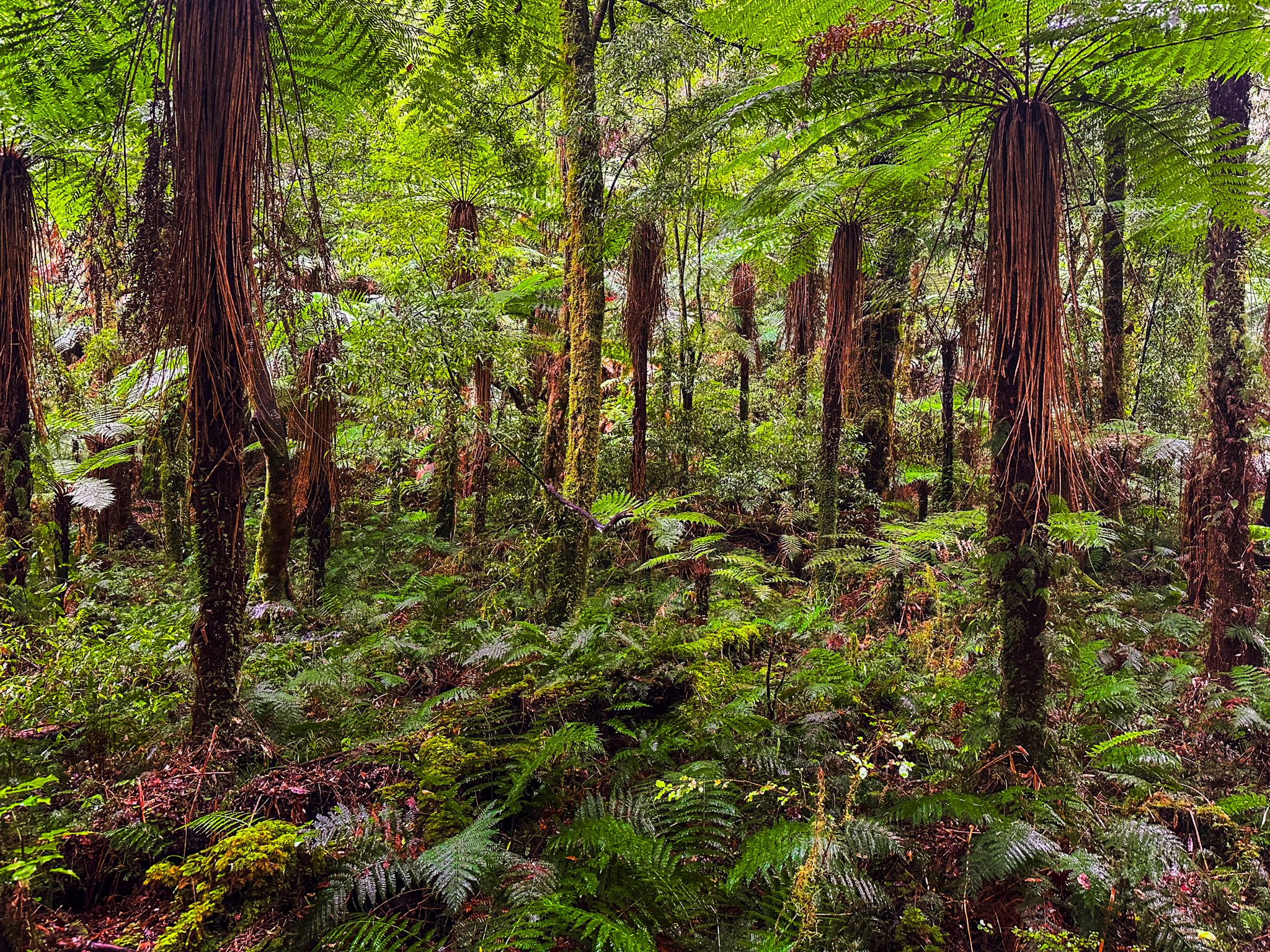
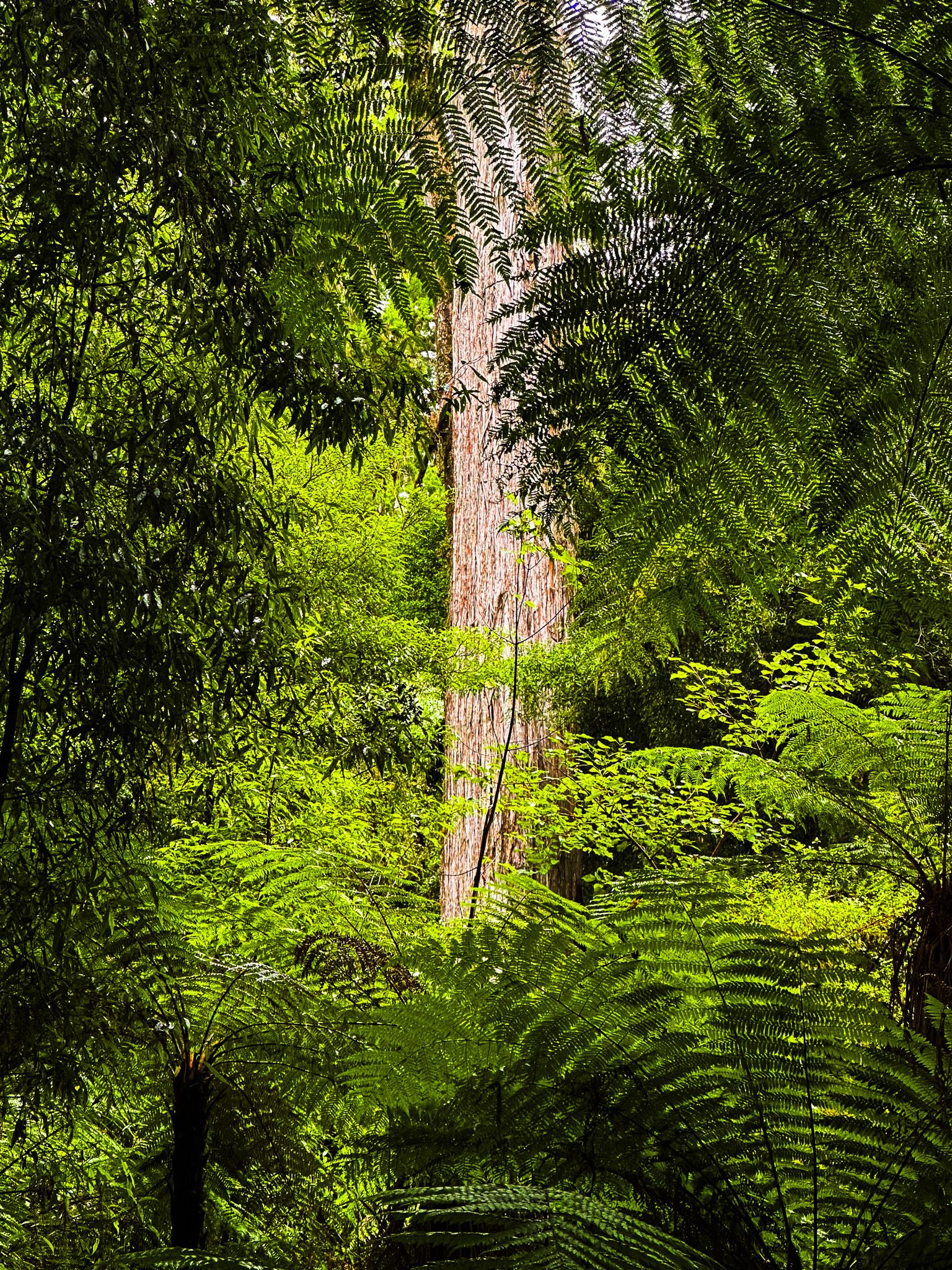
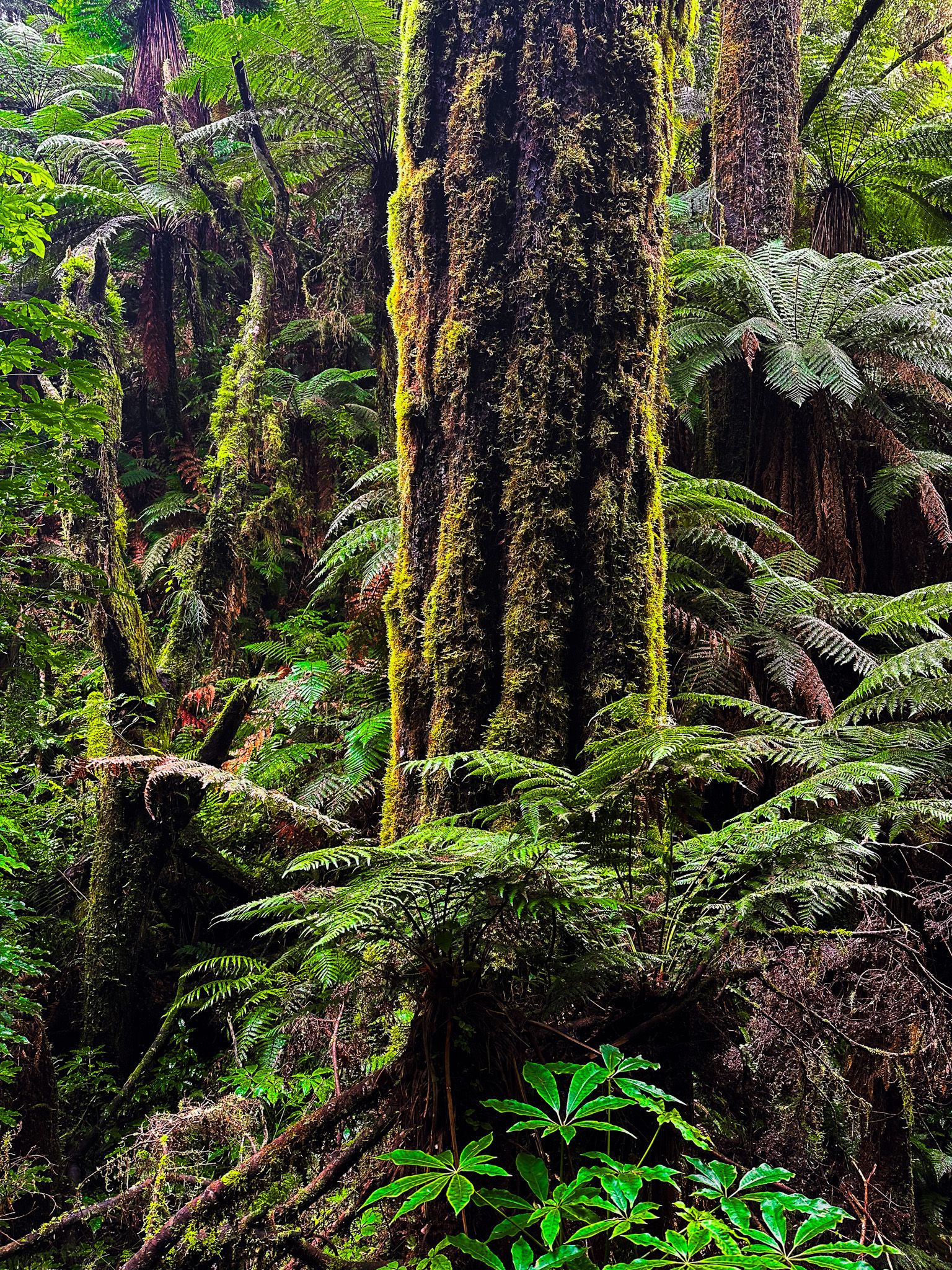
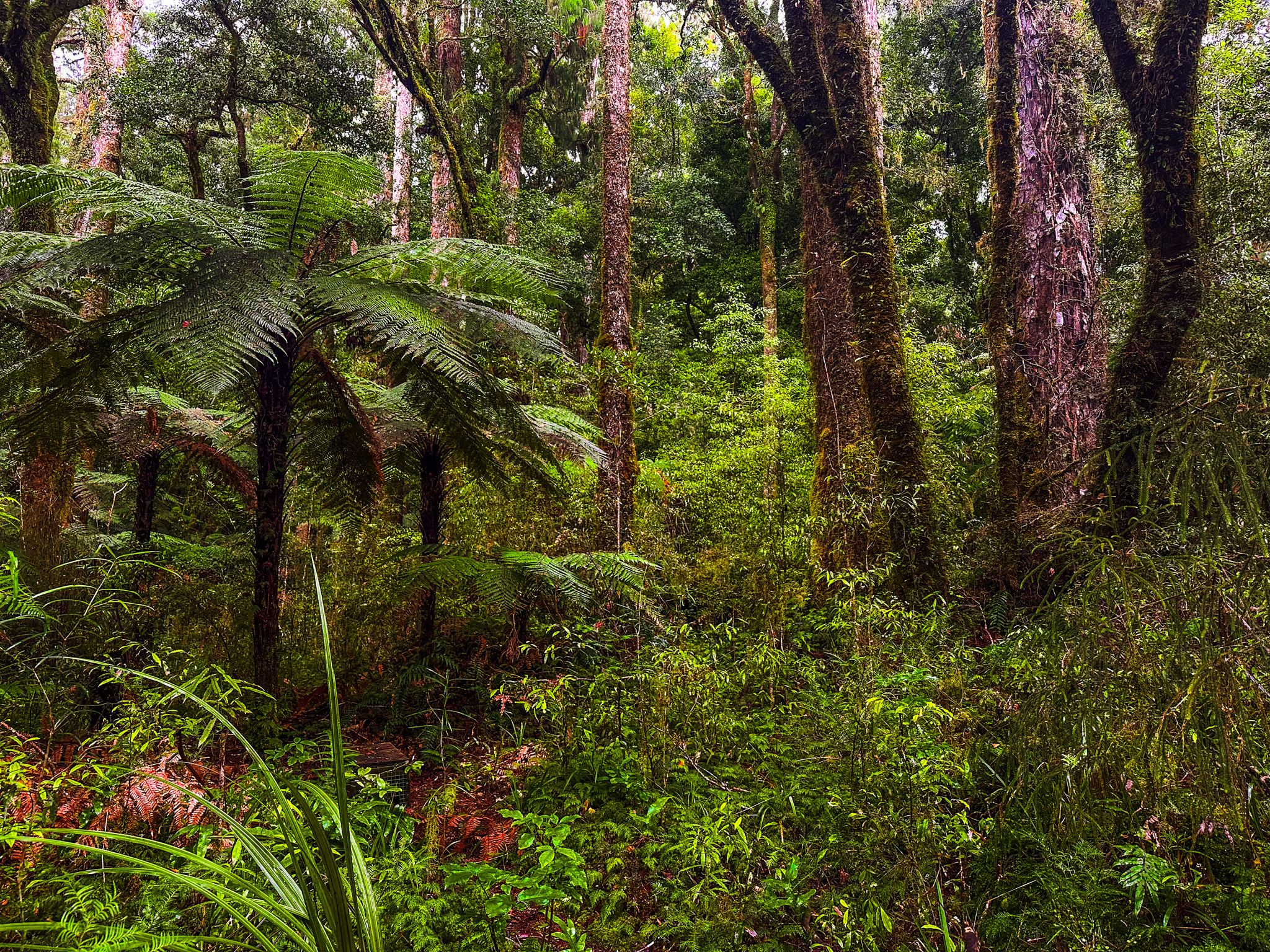
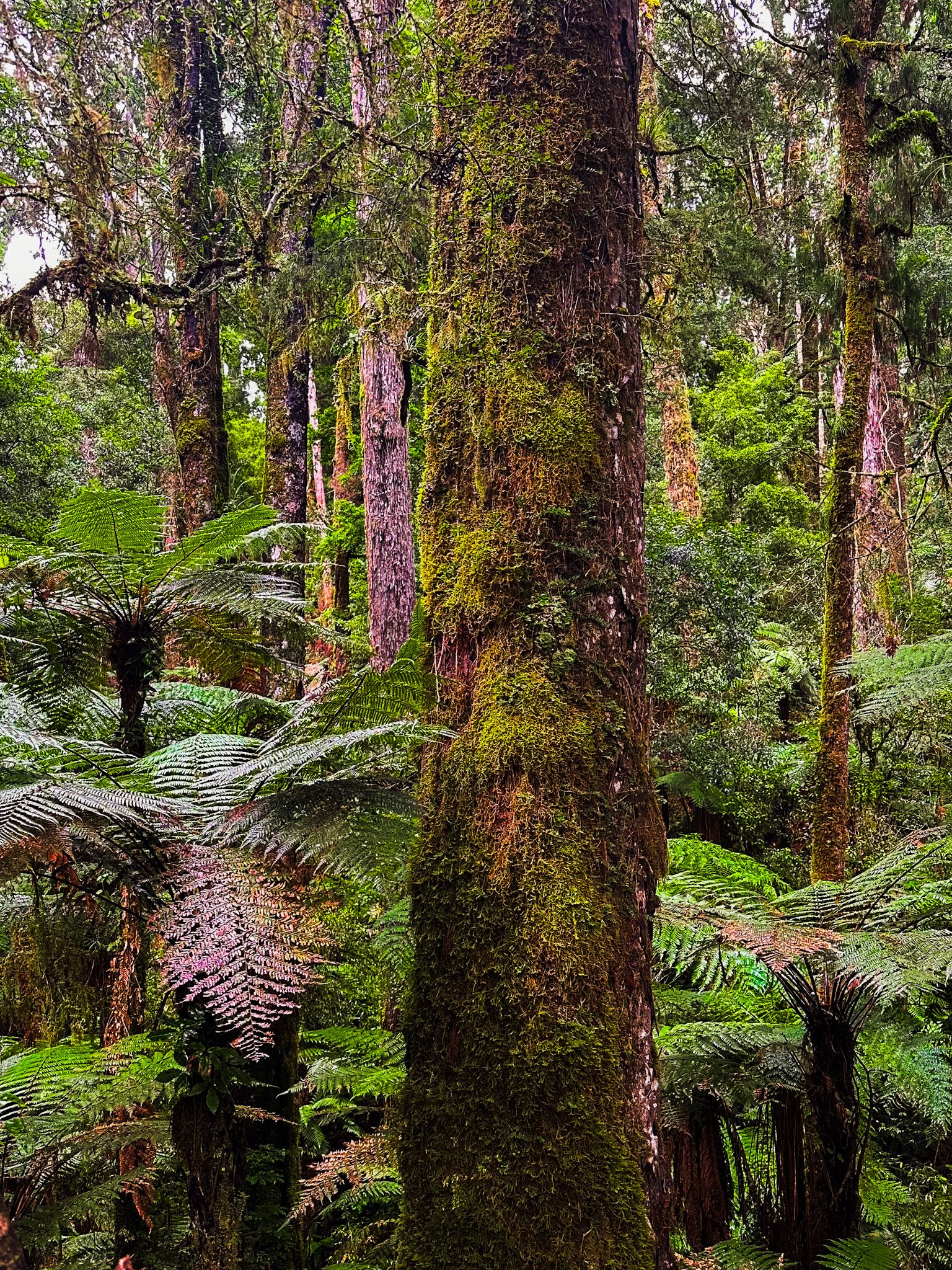
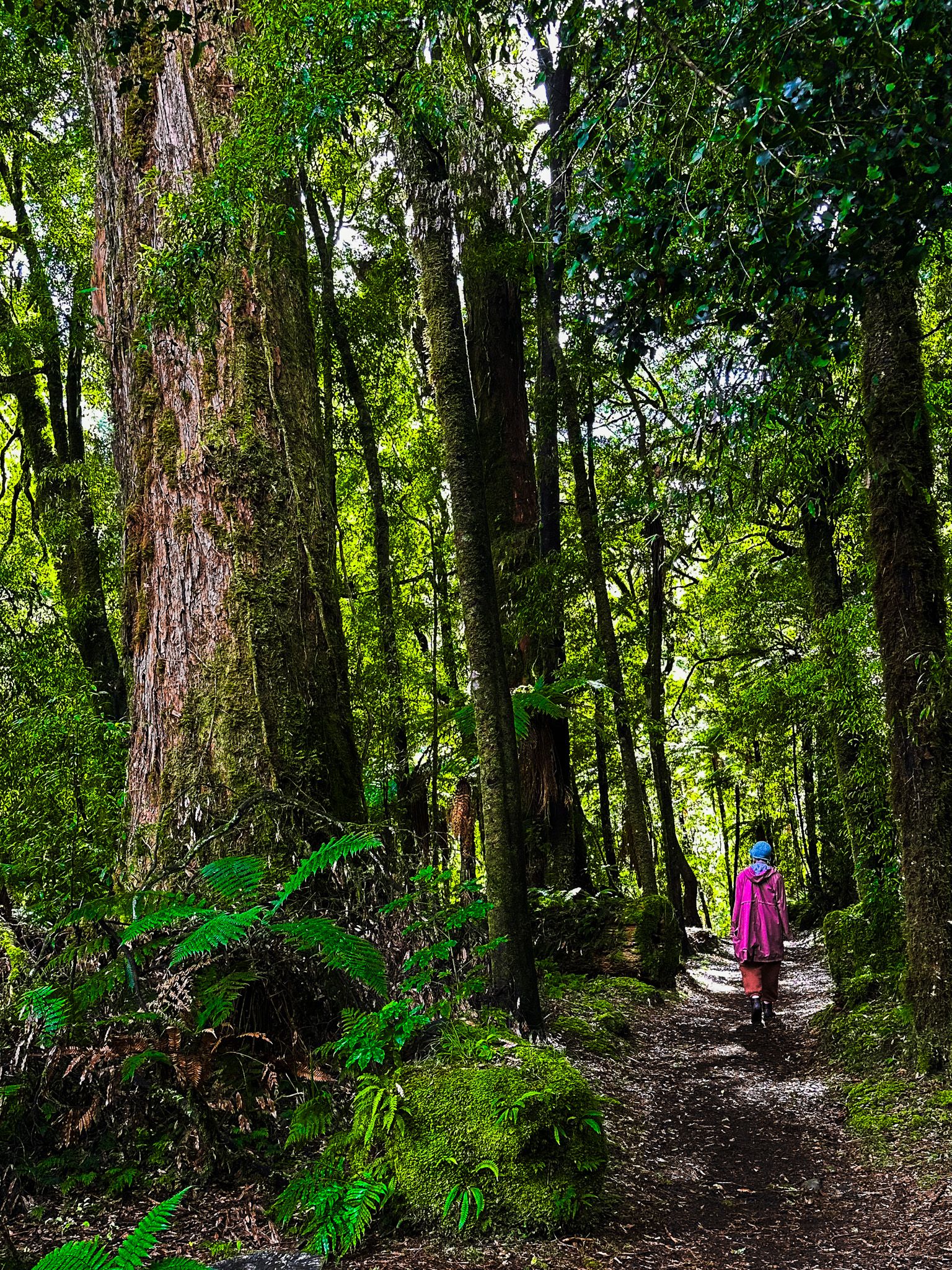
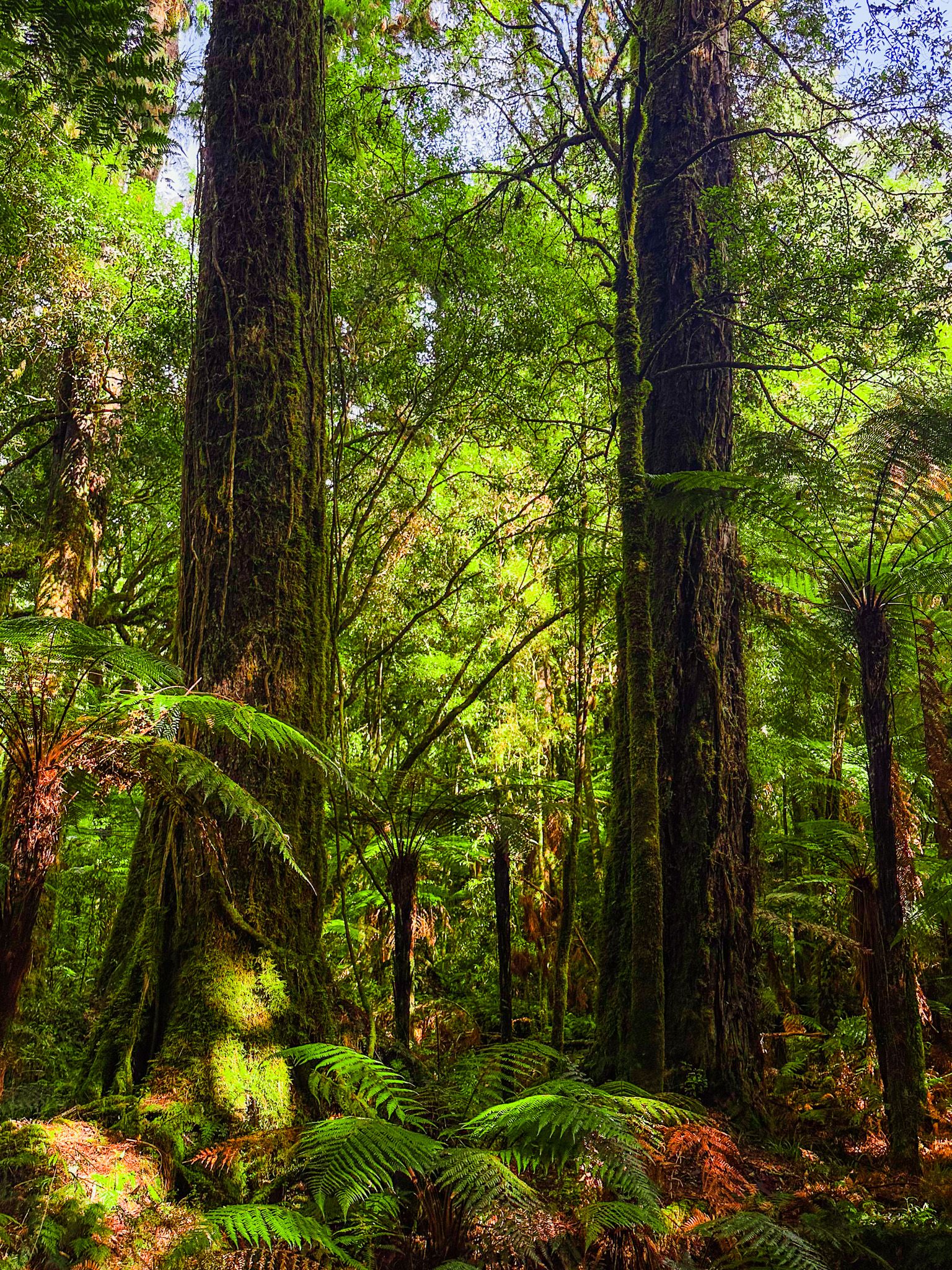
Whirinaki Te Pua-a-Tāne Conservation Park is a remarkable 562-square-kilometre forest park located in the Bay of Plenty region on the North Island. Nestled between the vast Kaingaroa Forest and Te Urewera, Whirinaki is one of the last prehistoric lowland rainforests in the world. The park is home to ancient podocarp trees, some over 1,000 years old, offering a unique glimpse into the past.
A Changing Attitude Towards Conservation
The history of Whirinaki reflects New Zealand's evolving attitudes towards native forests. Initially viewed by European settlers as a resource, or a nuisance, much of the region's native forest was cleared by the early 1900s, including parts of Whirinaki. Exotic pine was planted in some areas, and the town of Minginui was established to support logging activities. Managed by the New Zealand Forest Service, the park was a site of contention in the 1970s when conservationists opposed proposals to log the ancient native trees. This conflict, which also occurred in other forests around NZ, led to the establishment of the Department of Conservation (DOC) and the protection of the remaining native forest.
In 2012, a co-governance agreement was signed with Ngāti Whare, the local iwi, as part of a Treaty of Waitangi settlement. The park was renamed Whirinaki Te Pua-a-Tāne Conservation Park, with Te Pua-a-Tāne meaning "the abundance of Tāne", Tane being the god of forests and birds. A significant regeneration project was also initiated, with over 320,000 trees planted, converting 640 hectares of exotic pine back to native forest. The town wakes each spring to the chatter of countless native birds, once thought lost to these forests.
Conservation success stories like these have been championed by many, including David Bellamy, who praised Whirinaki as one of the world’s most incredible prehistoric rainforests. His enthusiasm and commitment have inspired more people to appreciate and protect this unique part of New Zealand.
Exploring the Park
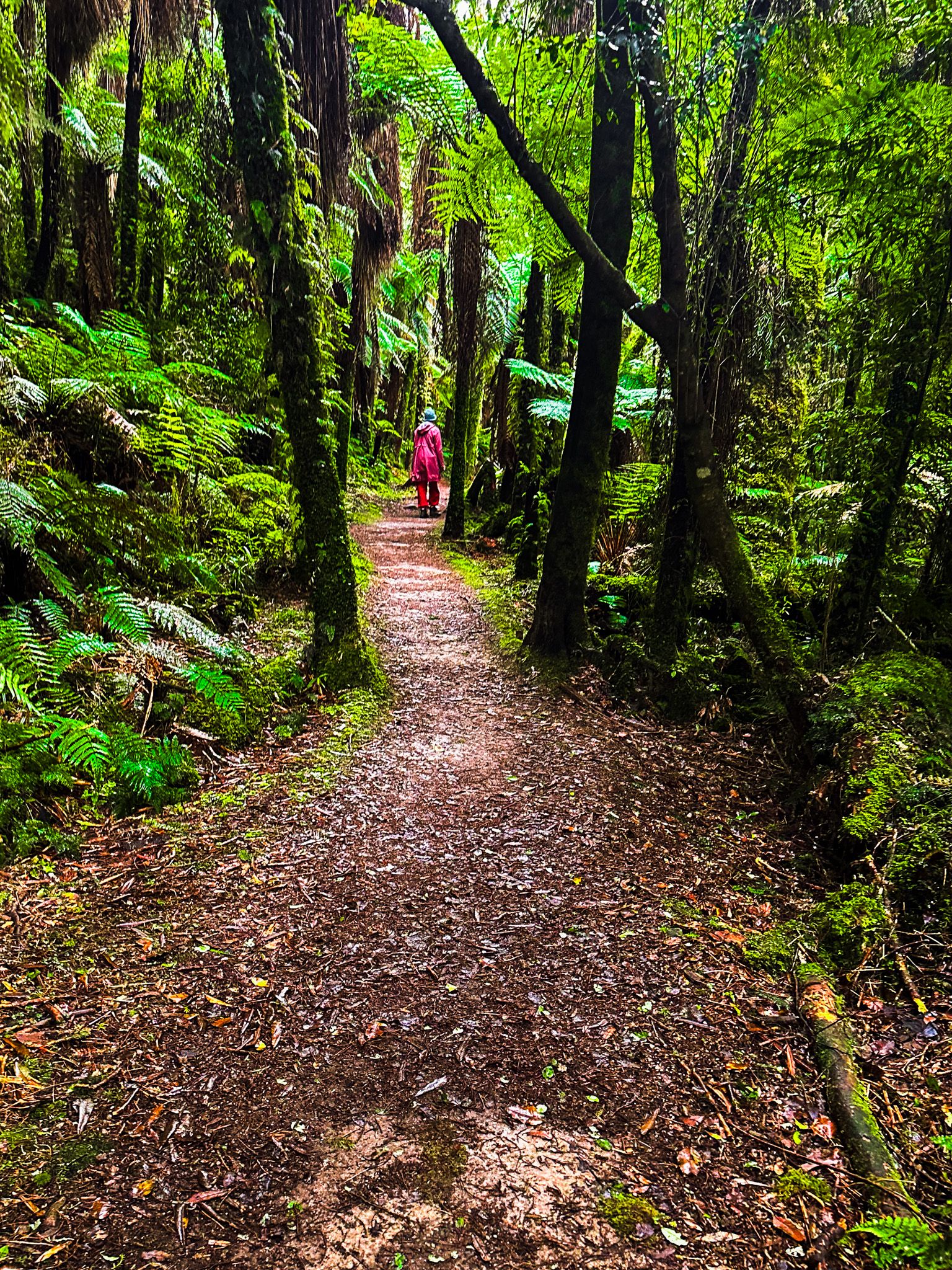
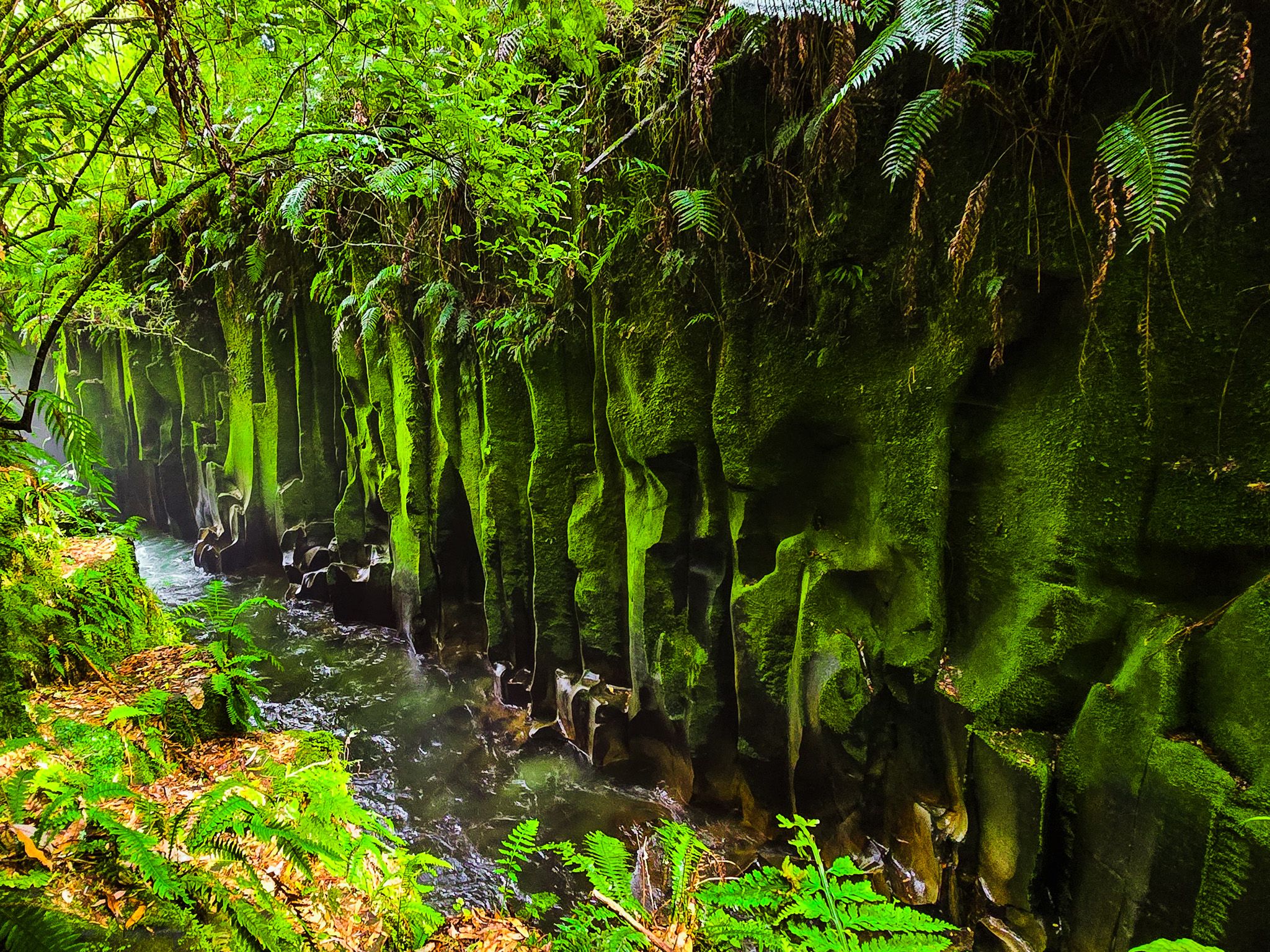
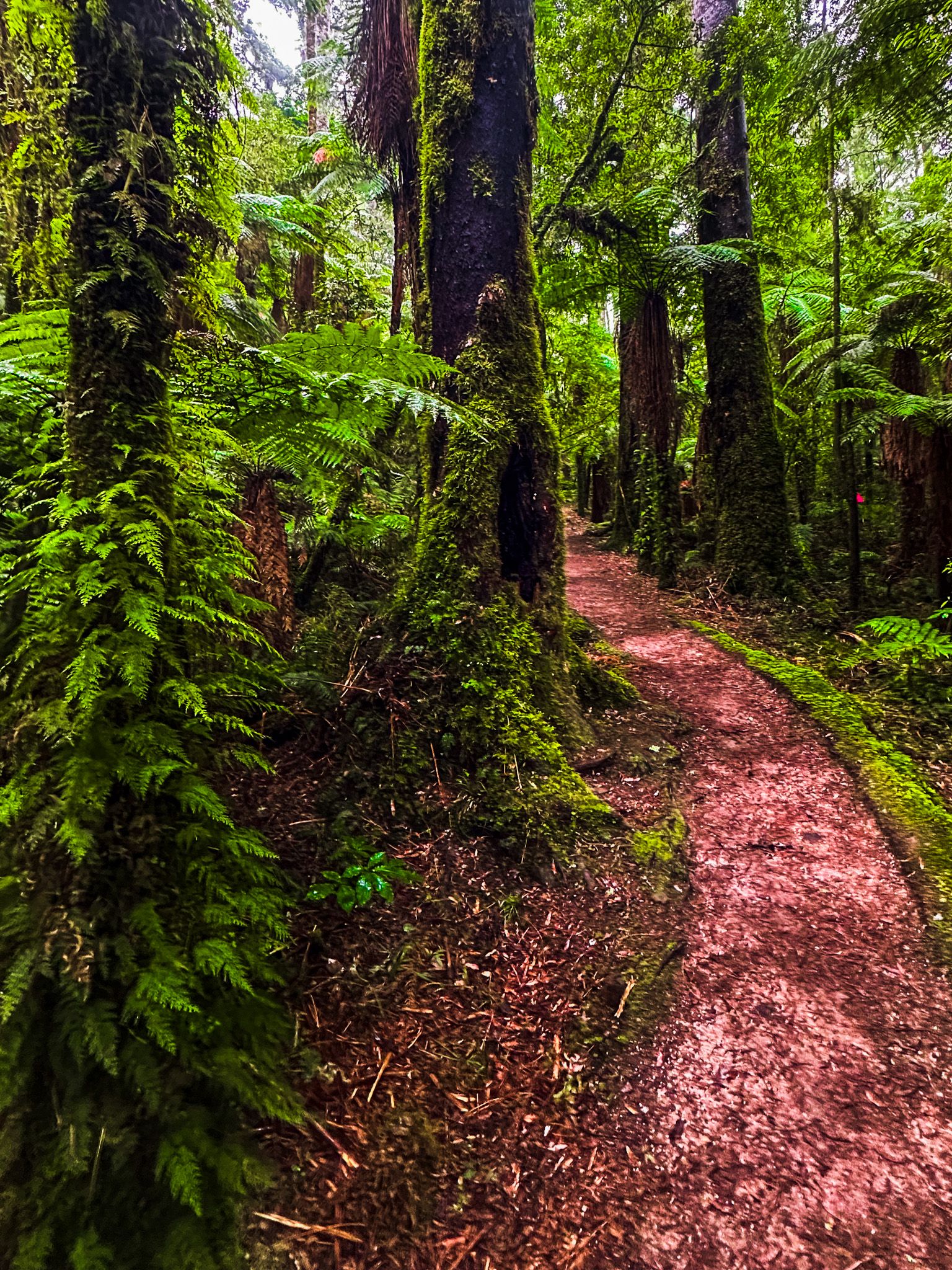
Whirinaki offers a variety of walking tracks, from short strolls to multi-day tramps. From the main car park, you can explore trails leading to Waiatiu Falls, Te Whaiti-Nui-A-Toi Canyon, and Whirinaki Falls. The Arohaki Lagoon Track is accessible with a short drive from the car park.
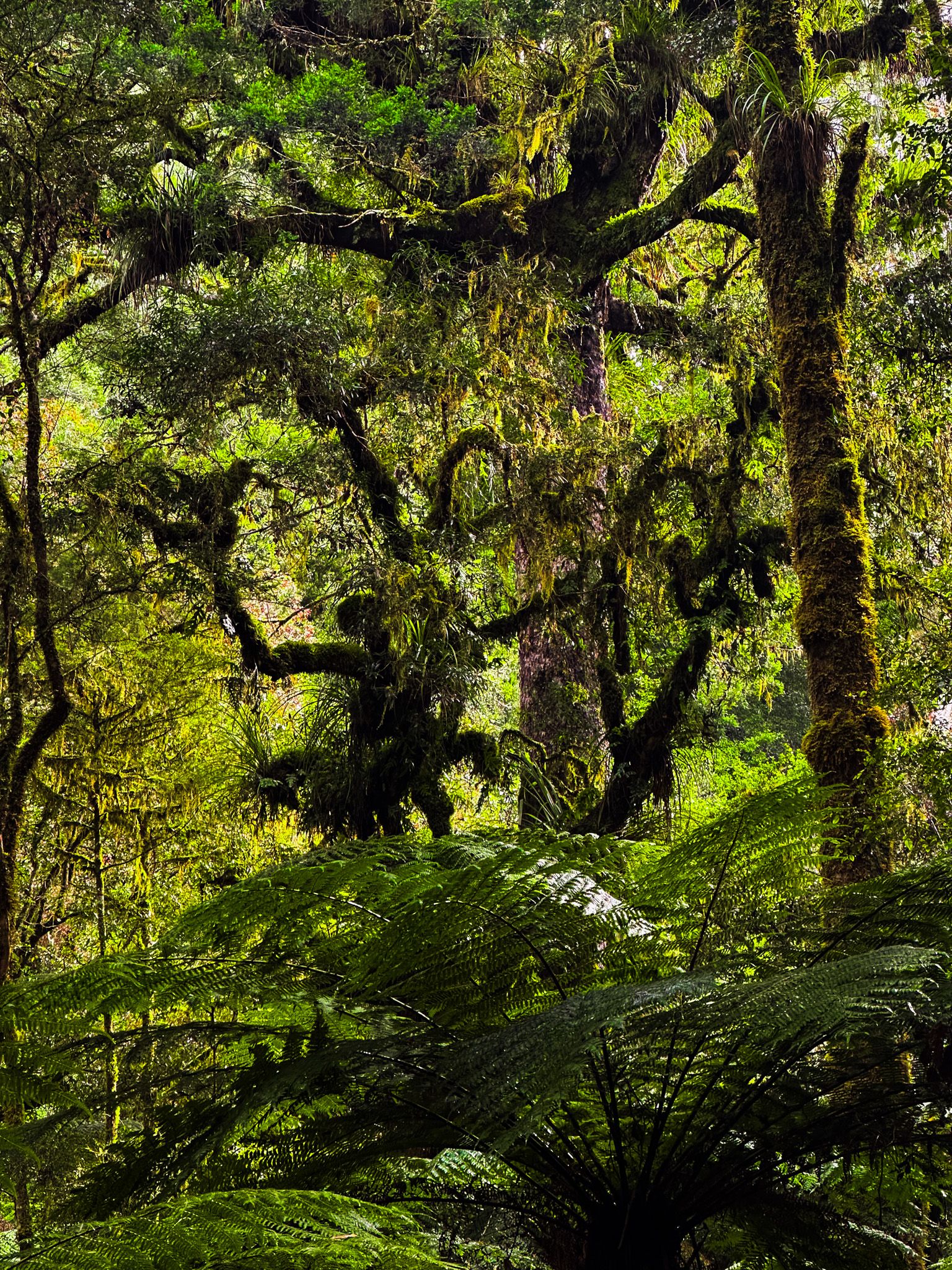
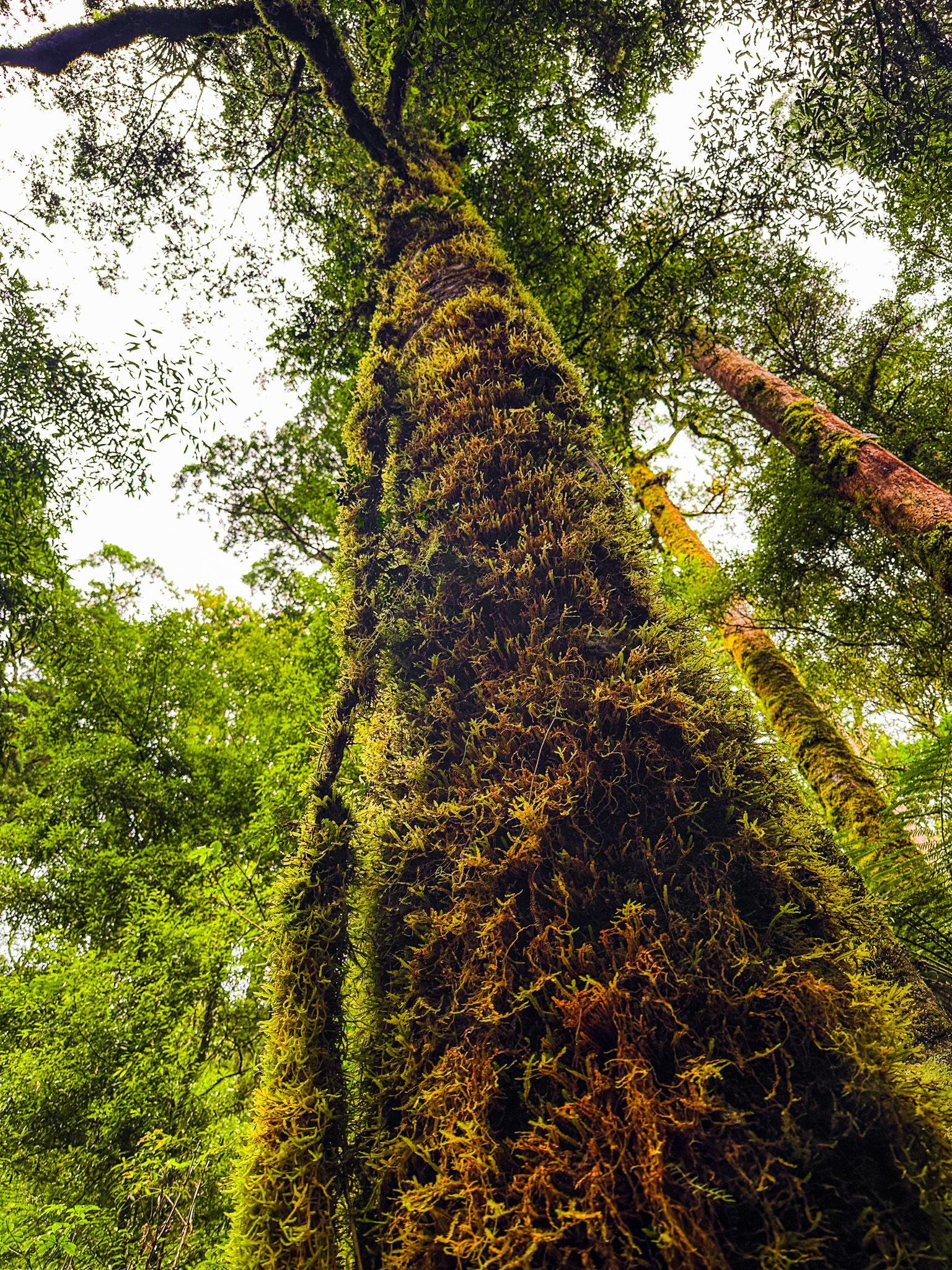
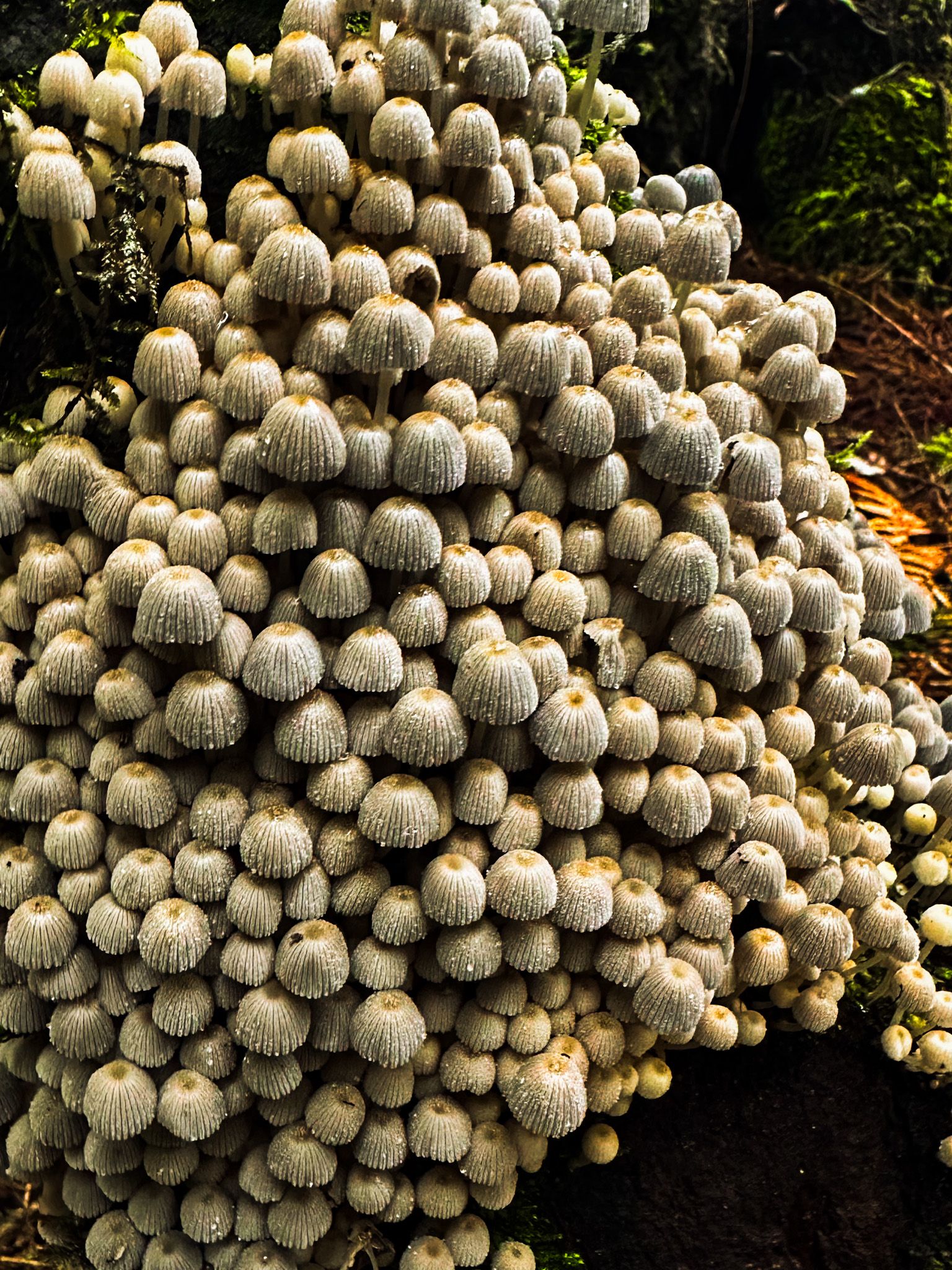
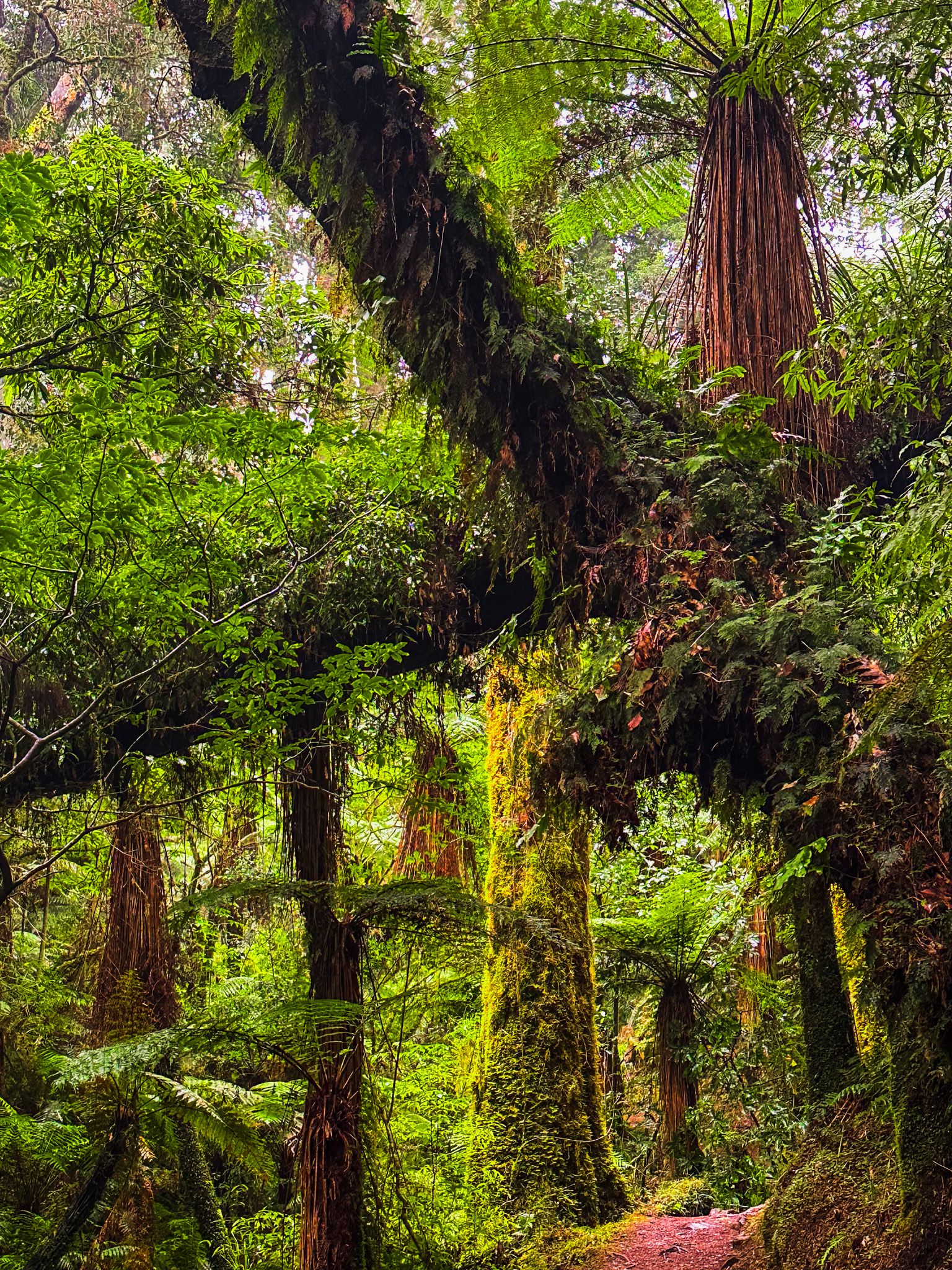
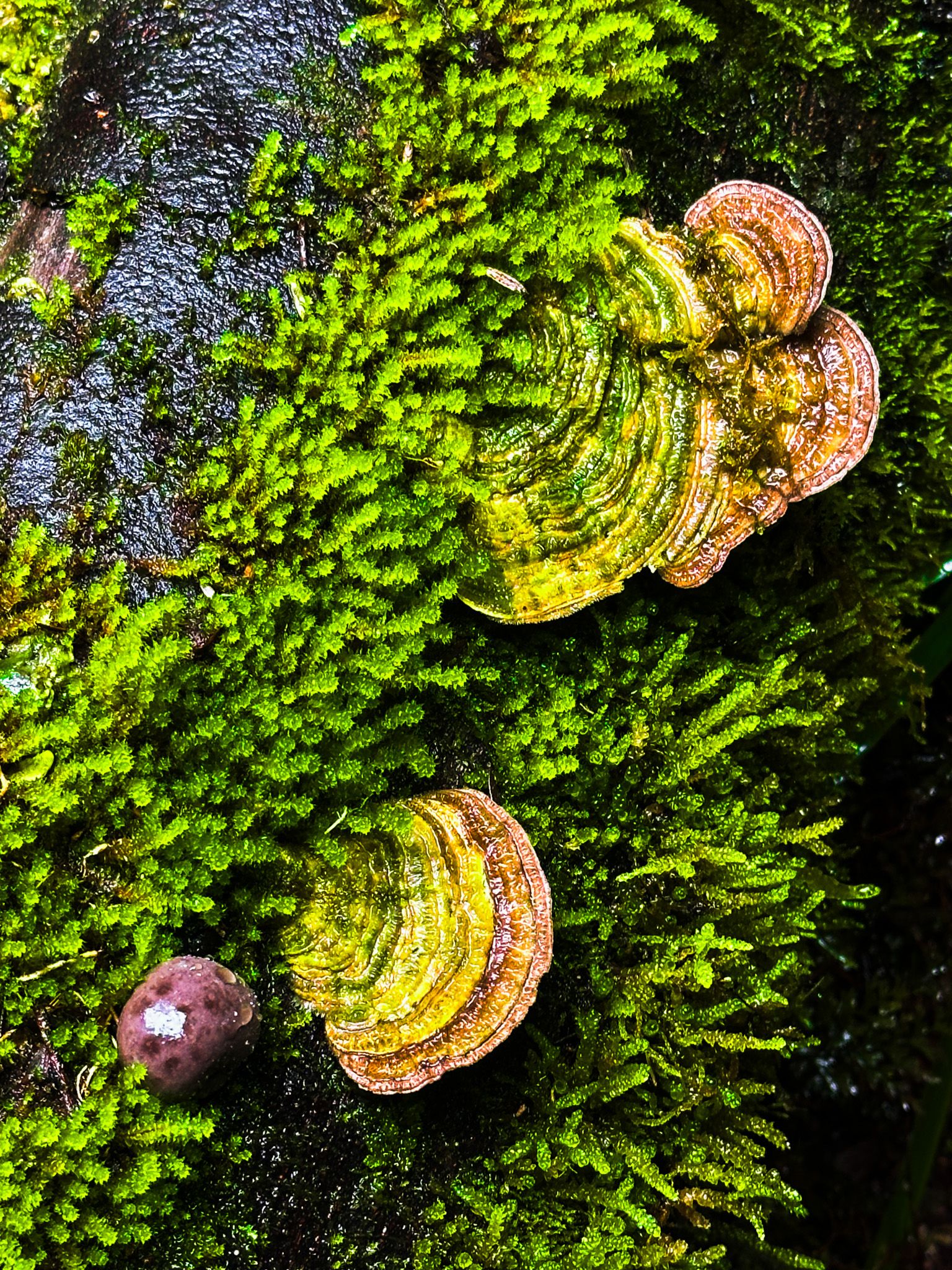
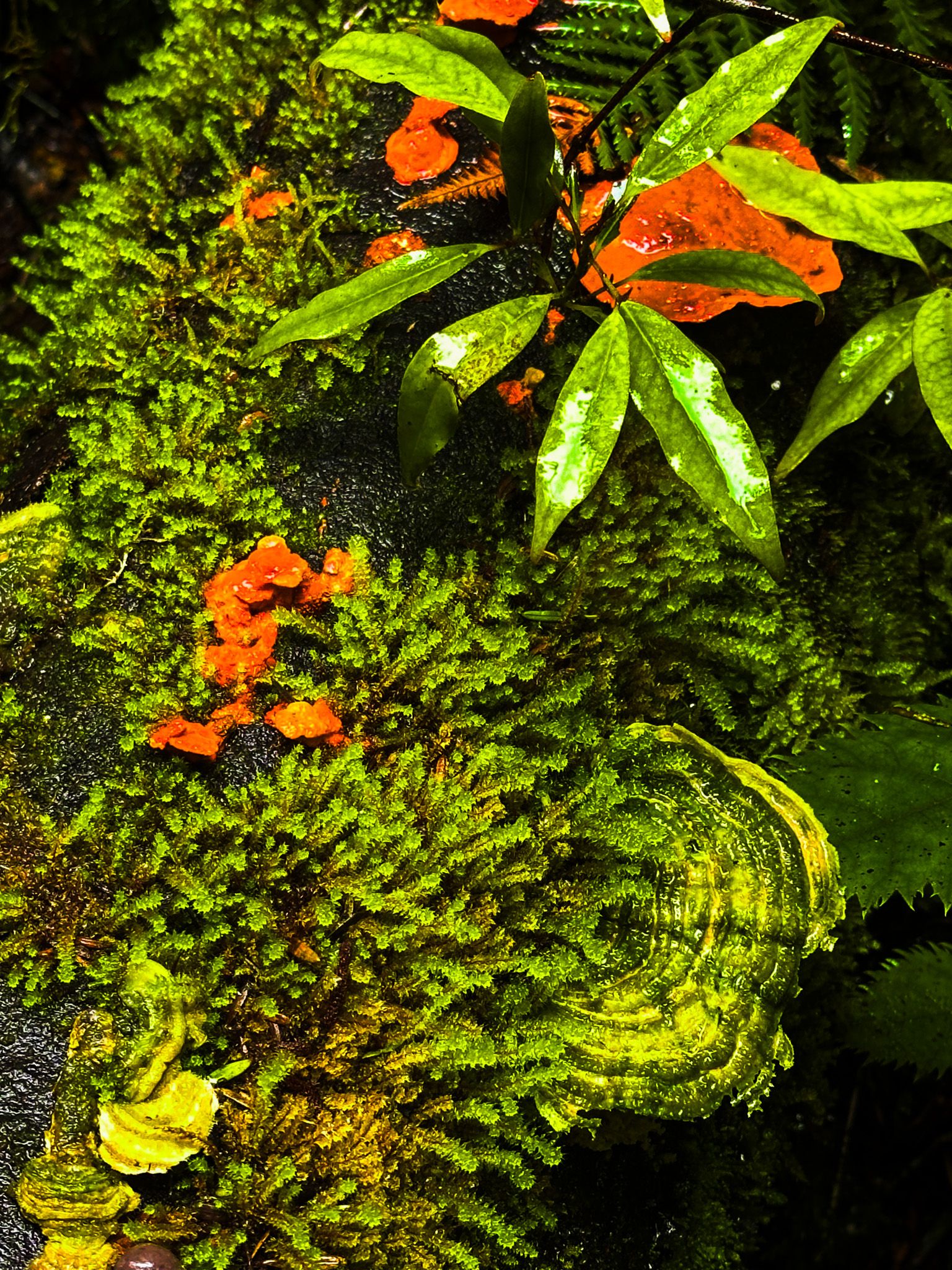
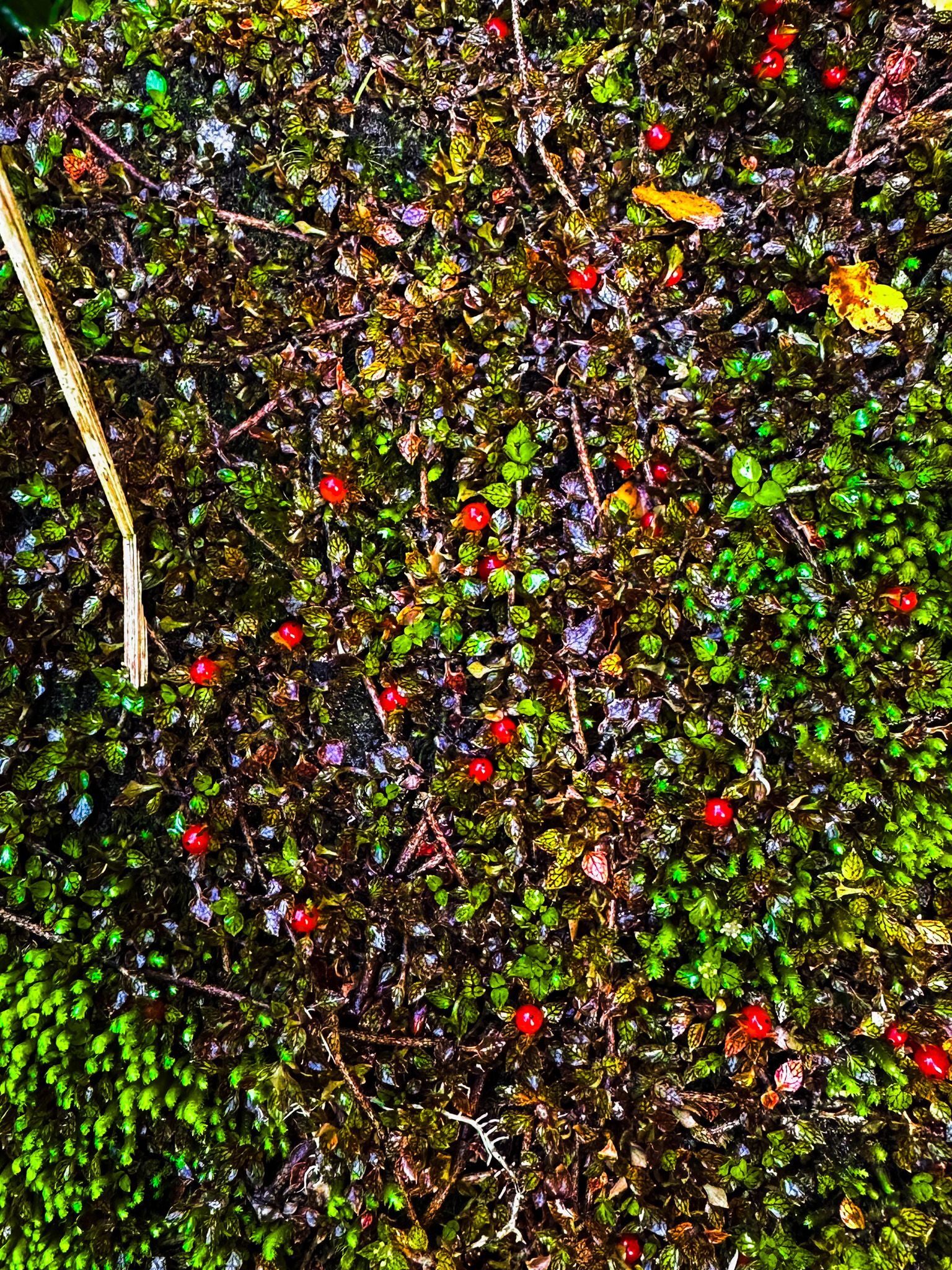
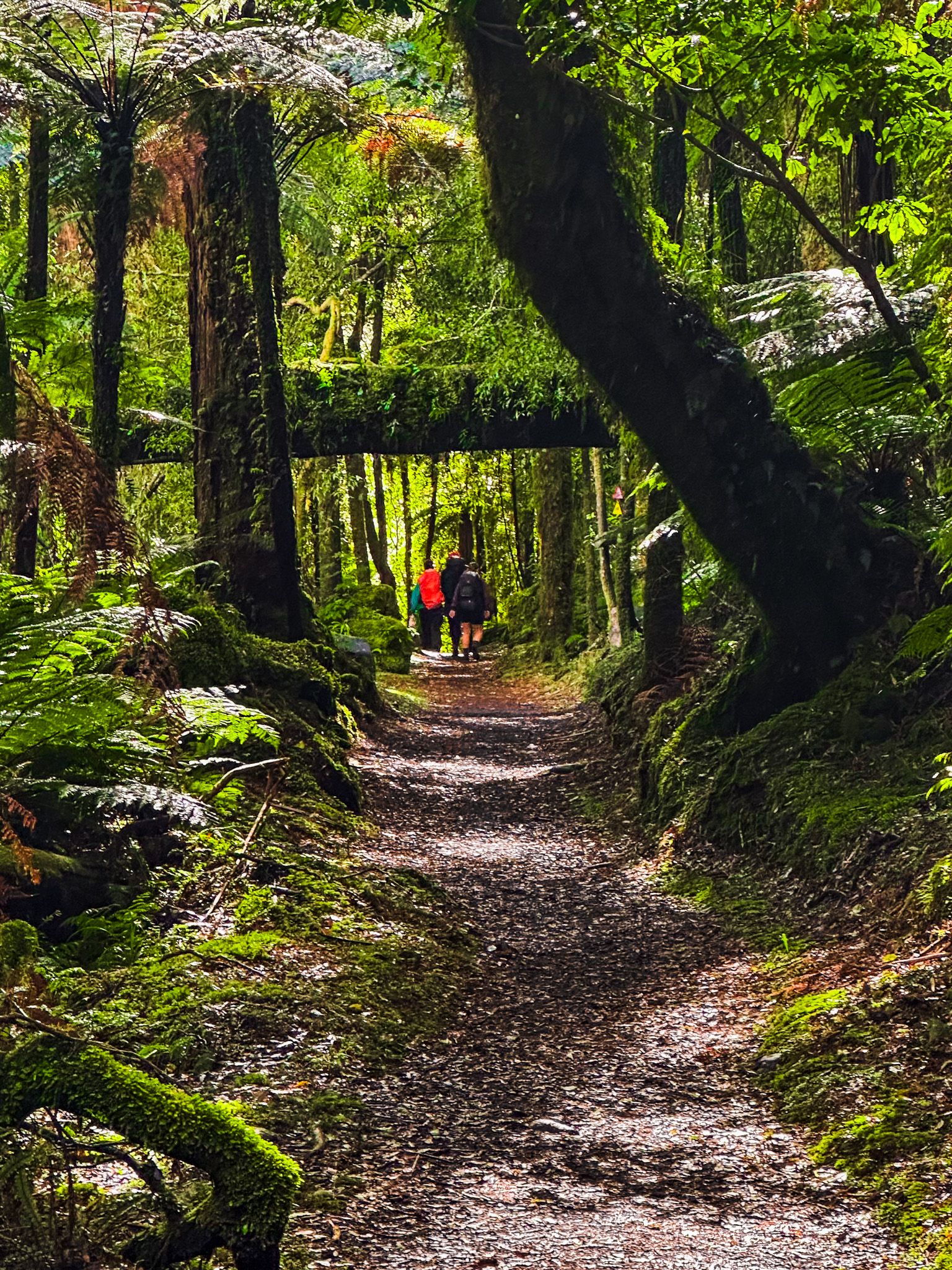
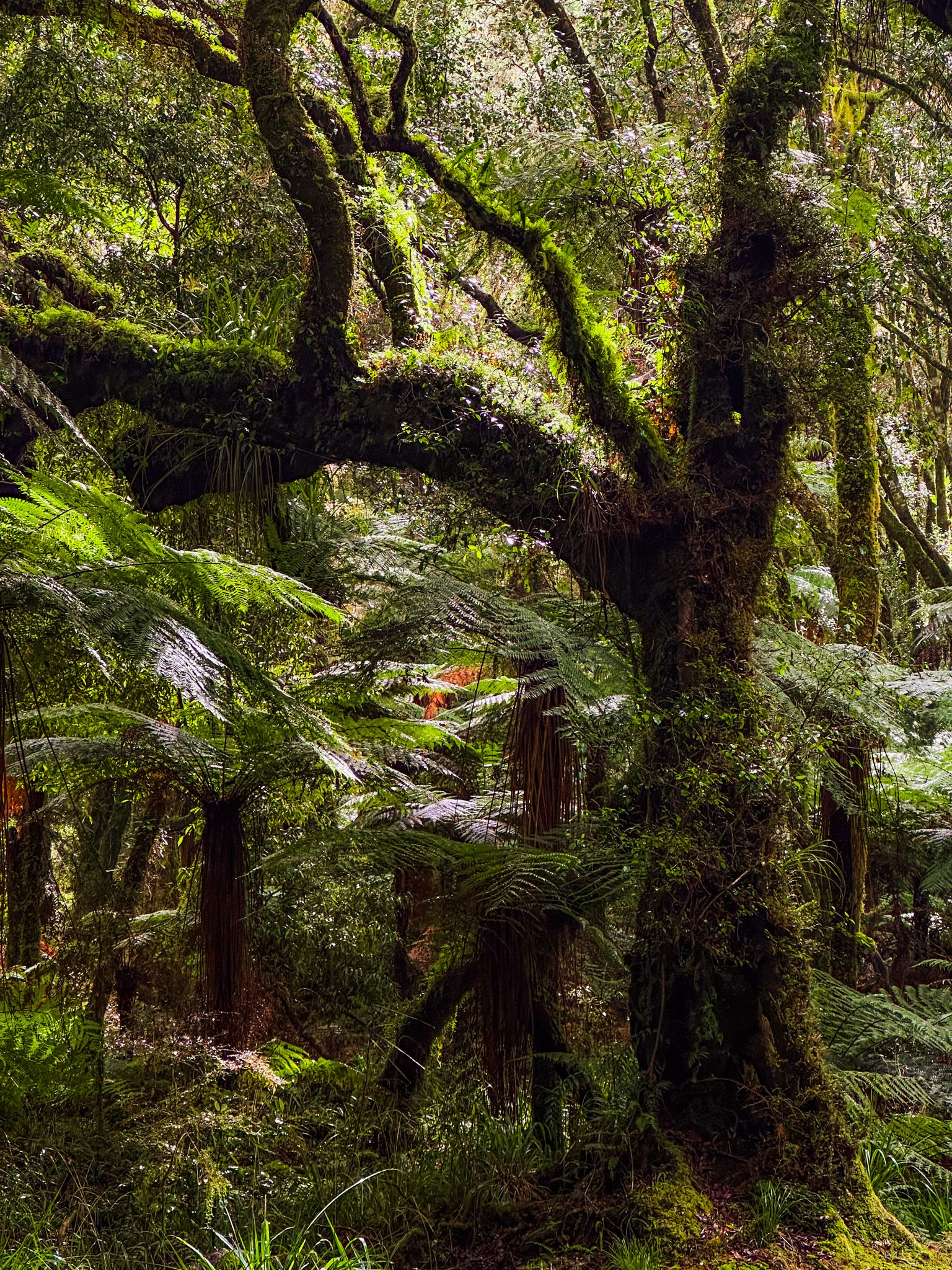
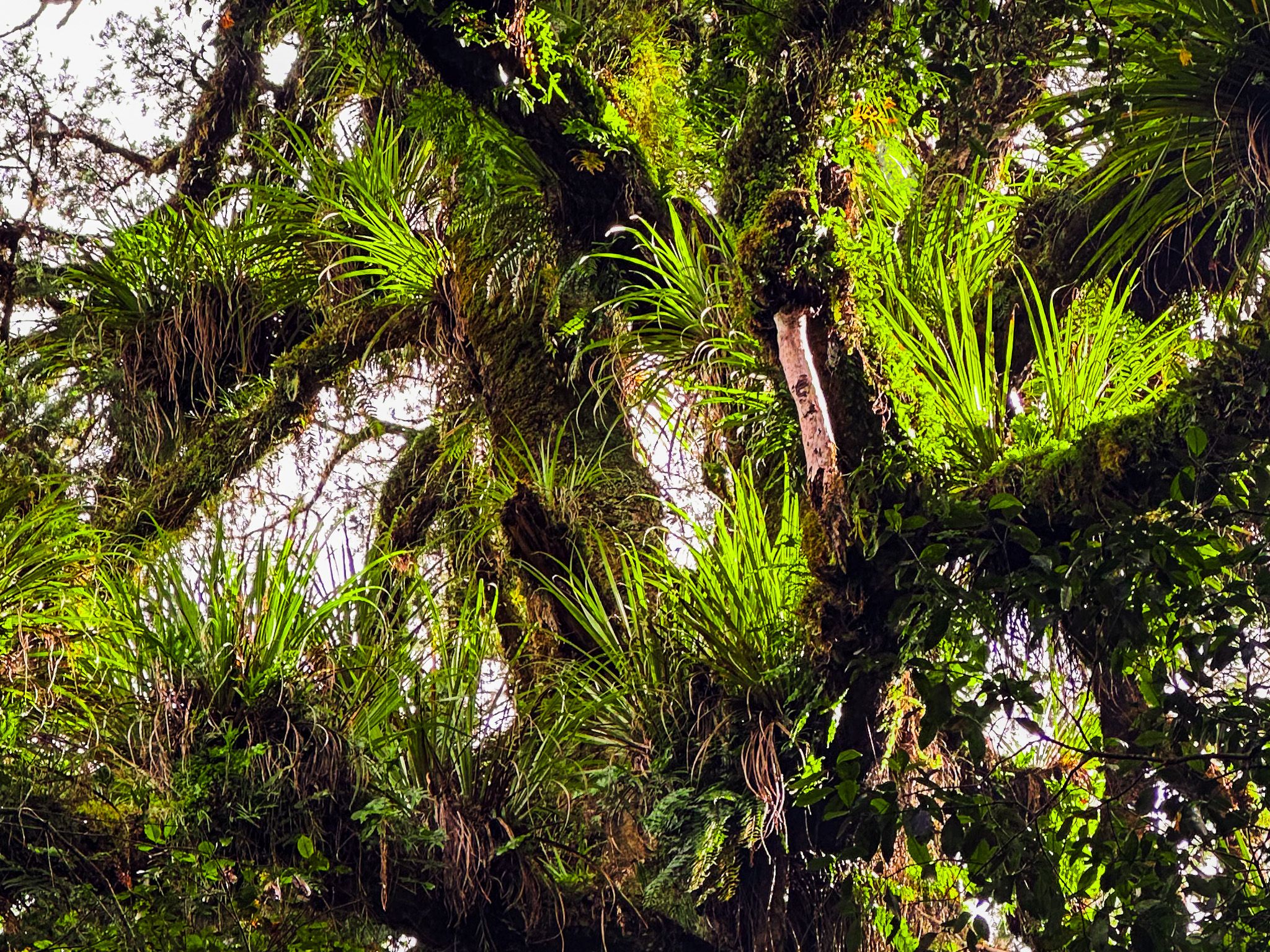
Even the shortest walks are enchanting, featuring ancient trees draped in moss and lichen, seasonal fungi, and unique goblin trees. These are typically ancient kāmahi trees with dramatic twisted forms.
Additional short walks can be accessed from side roads, including the H Tree Loop Walk, the Wiremu Merito Reserve, and the Sanctuary Loop Walk. There are also Mountain biking options described in detail here.
For camping, there is the Sanctuary campsite, and Ngāti Whare operates a picturesque campsite beside a waterfall at Mangamate. Be sure to check for open dates and availability.
How to Get There
Whirinaki is accessible from nearby towns such as Whakatāne to the north, Rotorua to the northwest, and Taupō to the southwest. The main route to the park is via State Highway 38 through the expansive Kaingaroa Forest, leading to Marupura. From there, take Te Whaiti Road towards Te Urewera. At Te Whaiti, turn onto Minginui Road, which follows the Whirinaki River valley to the small town of Minginui. The main entrance to the forest is just beyond the town. After crossing the river, follow River Road through a section of exotic pines and forest regrowth to reach the car park, surrounded by ancient trees.
From Rotorua, the drive will take 85 minutes and is 95 km.