Exploring Wellington's Outdoor Appeal
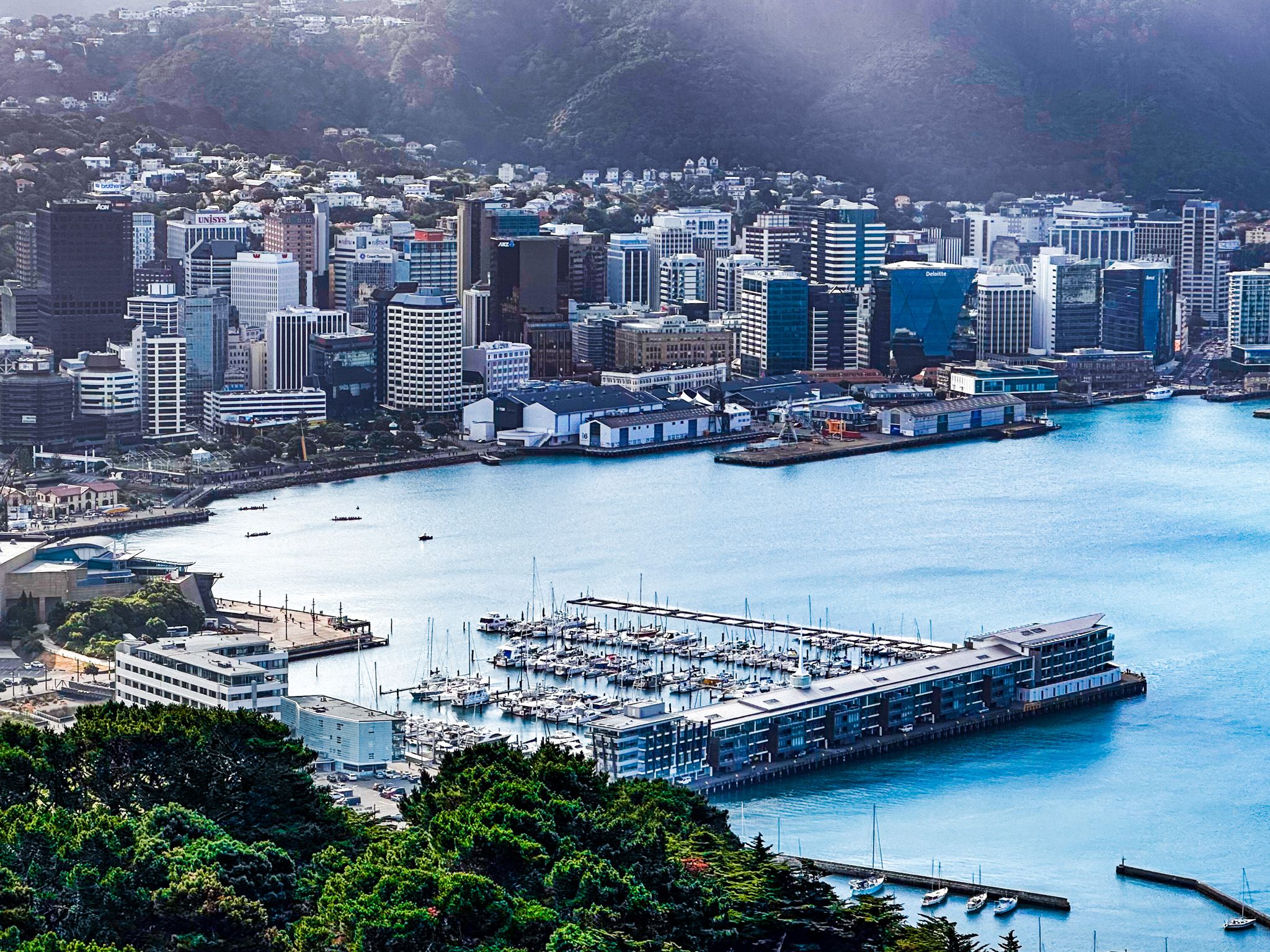
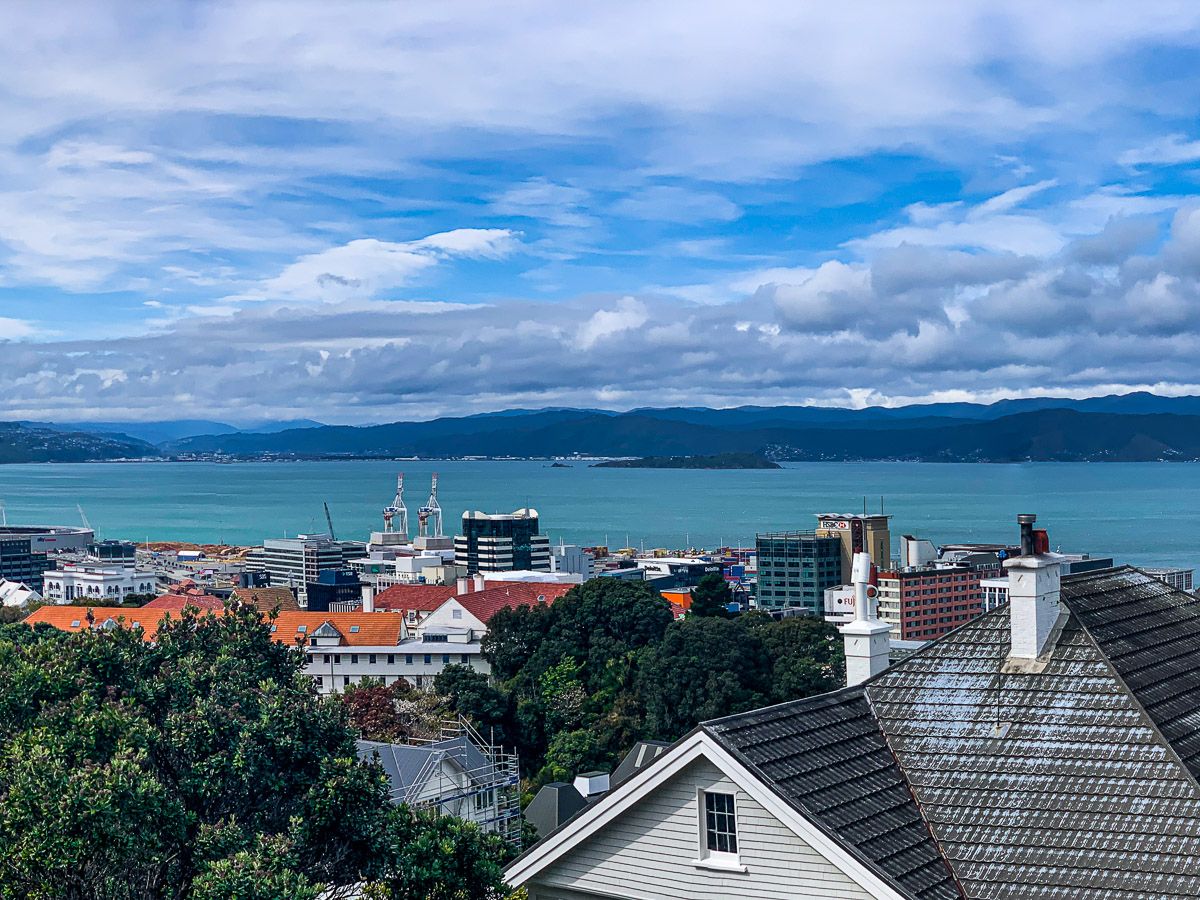
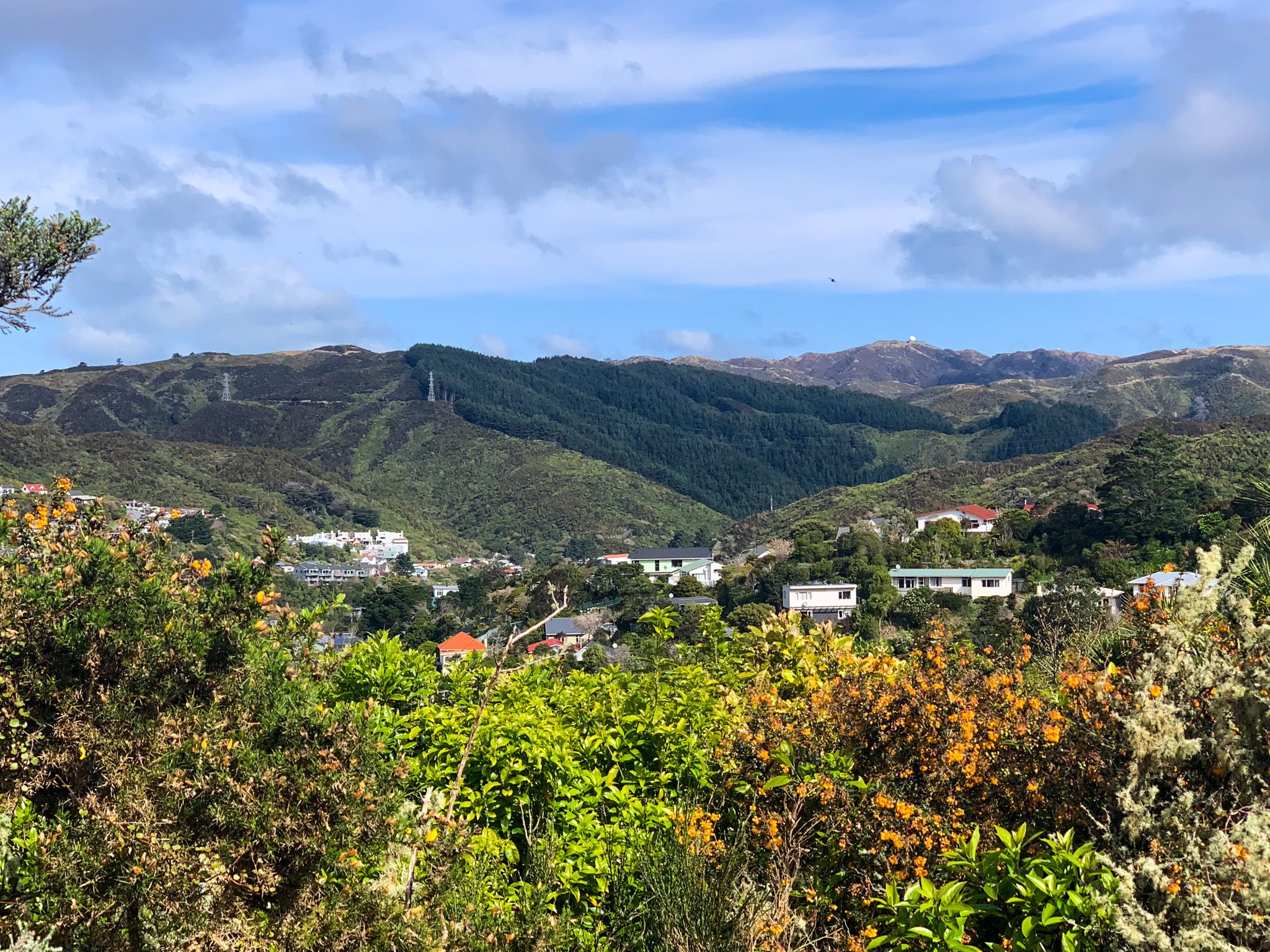
Wellington, located on the southwest side of Wellington Harbour with an entrance from Cook Strait, is often overlooked as an outdoor destination. Despite its reputation for being windy and earthquake-prone, the city has excellent walking and hiking opportunities. The harbour and surrounding hills provide stunning views, making it easy to immerse yourself in a combination of natural environment and city life for a day or two.
Geography and Urban Layout
Wellington is home to around 220,000 people and features a mix of hilly coastlines and urbanised flatland, much of which was reclaimed after the 1855 earthquake.
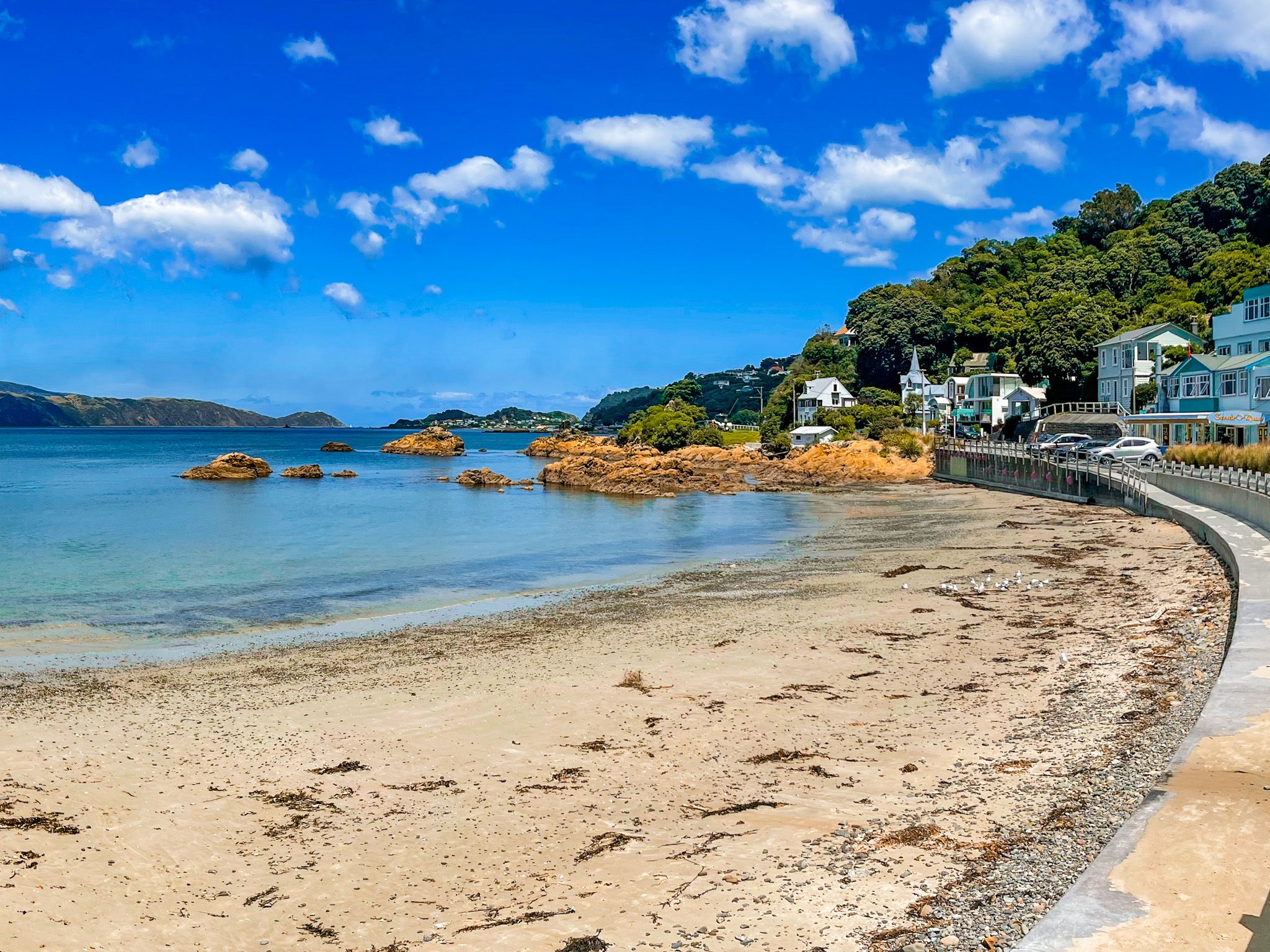
Key landmarks include the south bays facing Cook Strait, Miramar Peninsula, Mount Victoria, and the central city waterfront. Suburban towns extend from the harbour's west side to Porirua and the Kāpiti Coast on the west coast and from the harbour's north end up the Hutt Valley. These areas are well-connected to Wellington Central by efficient train services, which also reach the Wairarapa.
Historical Significance
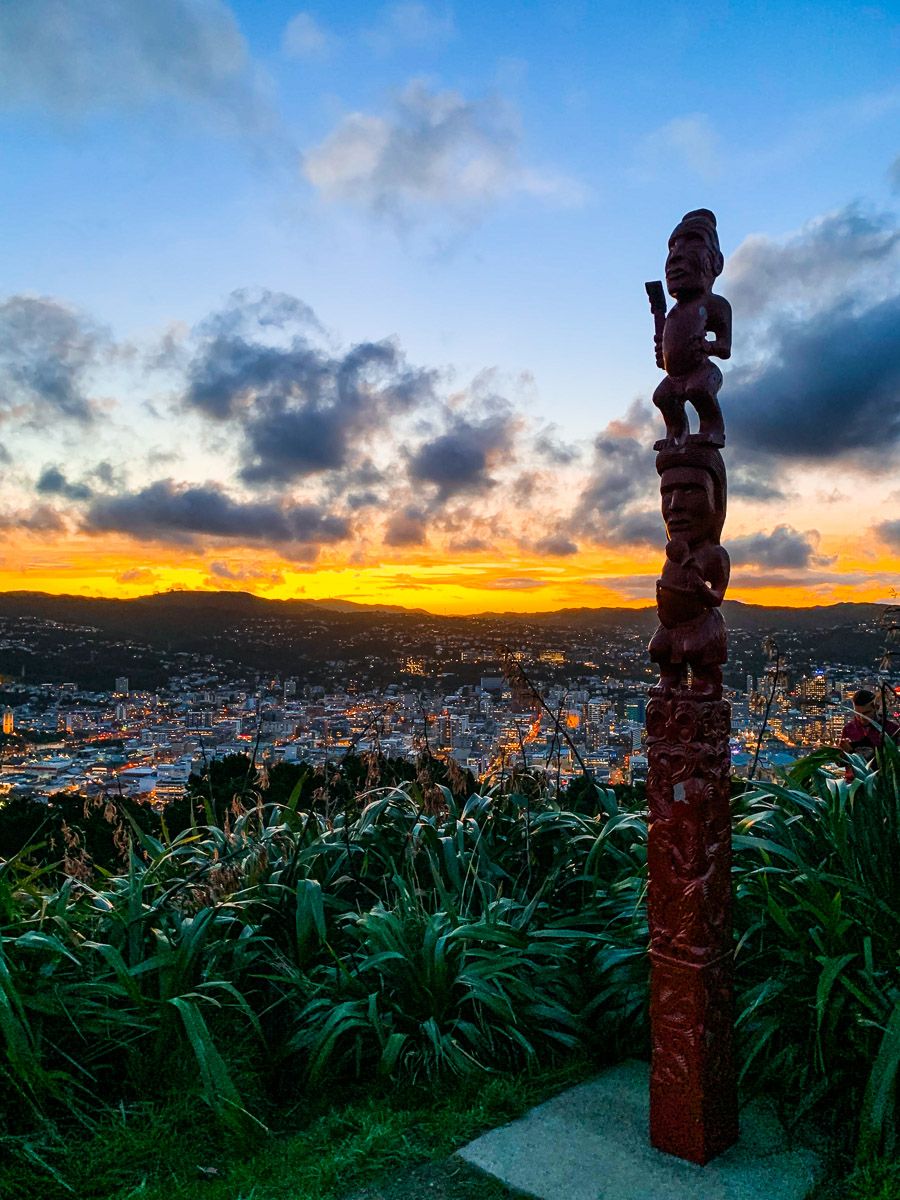
The harbour was reportedly discovered by Kupe in the 10th century, with its islands named after his daughters, Matiu (Somes Island) and Mākaro (Ward Island). The harbour was later named Te Whanganui-a-Tara by Whatonga, a Māori explorer.
Māori inhabited the area from the late 1200s, with descendants of Whatonga residing there until the 1820s. During the Musket Wars, Ngāti Toa, led by Te Rauparaha, and other iwi from the Central North Island and Taranaki moved into the region, substantially displacing local iwi. Te Rauparaha also established connections with European whalers and traders, leading to European settlement.
In 1839, William Wakefield began purchasing land for the New Zealand Company, promoting British settlement. The first settlers arrived just before the Treaty of Waitangi was signed in 1840, initially settling in Petone before moving to Thorndon, now central Wellington. The town was named Wellington in November 1840 in honour of the Duke of Wellington.




Capital City Evolution
Initially, New Zealand's capital was Okiato in the Bay of Islands, moving to Auckland in 1841. By the 1860s, the South Island's European population had surpassed that of the North Island due to gold discoveries and the easier acquisition of land, due to its smaller Māori population. Pressure mounted to move the capital closer to the main population centres, and Nelson was considered as an option. However, Wellington was chosen and became the capital in 1865. The Government, Parliament, and most central public services are now based in the central city.
Natural Environment and Wildlife
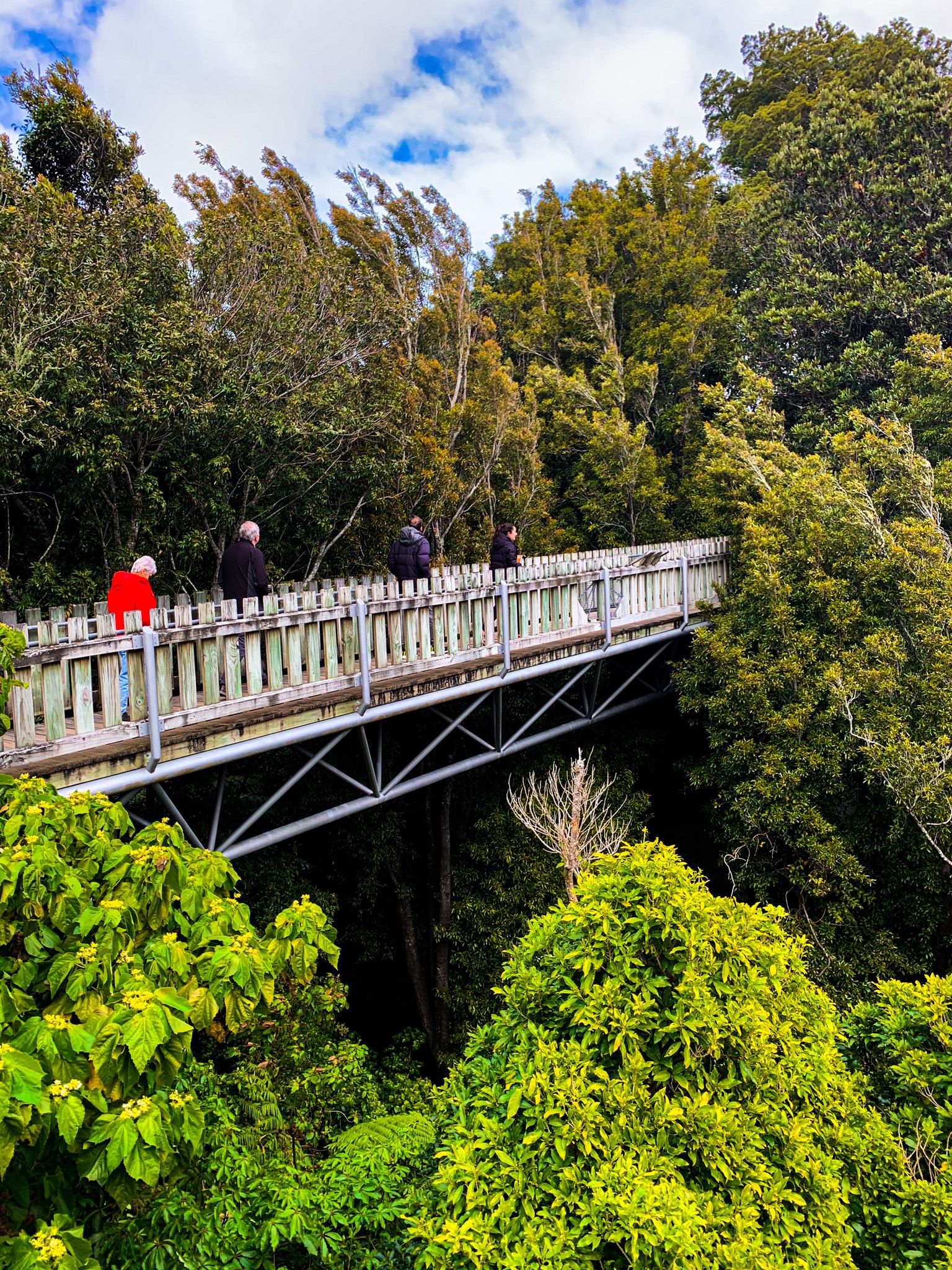
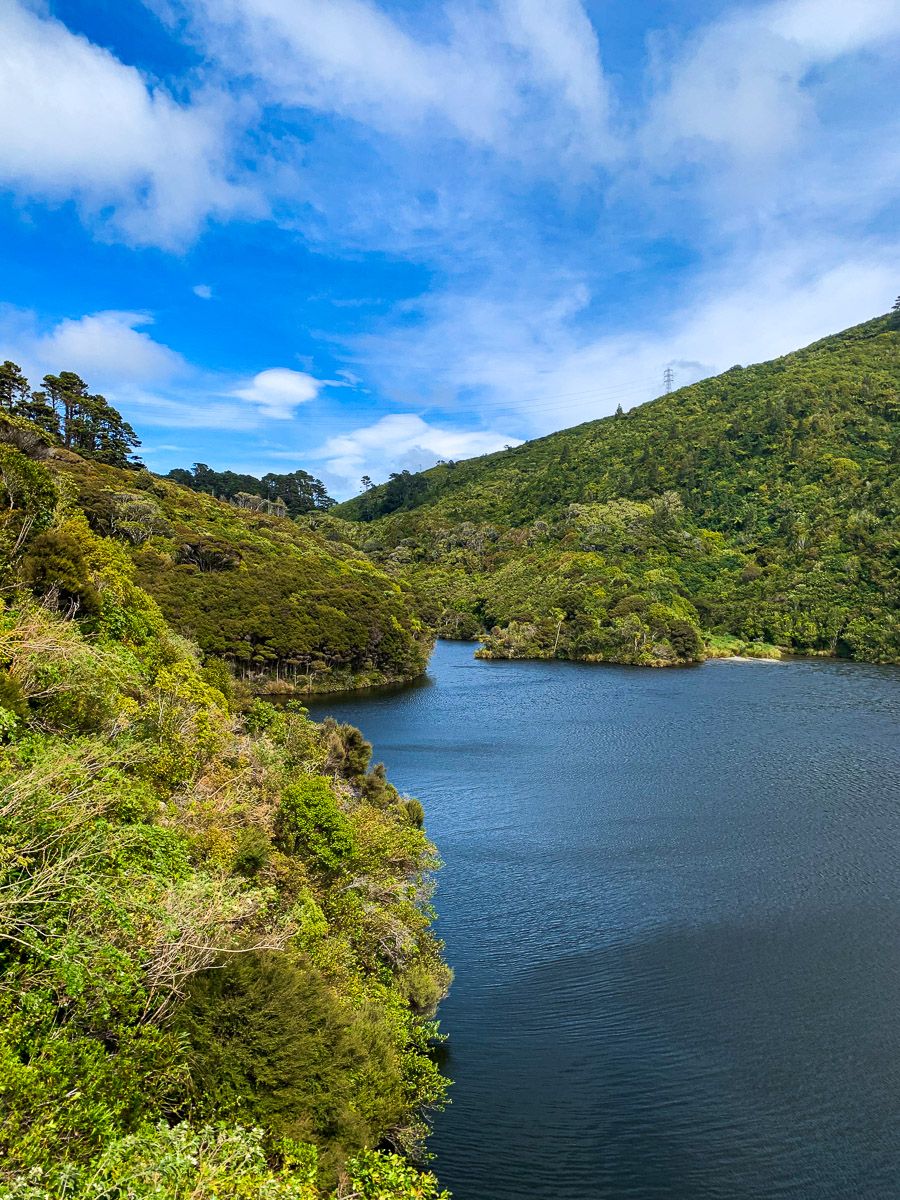
Upon arrival, settlers cleared much of the surrounding forests, leaving only a small portion of the original forest at Otari-Wilton’s Bush. However, recent forest regrowth in the surrounding hills, combined with native bird overflow from Zealandia and public predator control efforts, has resulted in a thriving native bird population. This includes kiwi, kākā, and kererū, making Wellington's fringe the best recovering habitat for native birds of New Zealand's major cities.
City Walks and Attractions
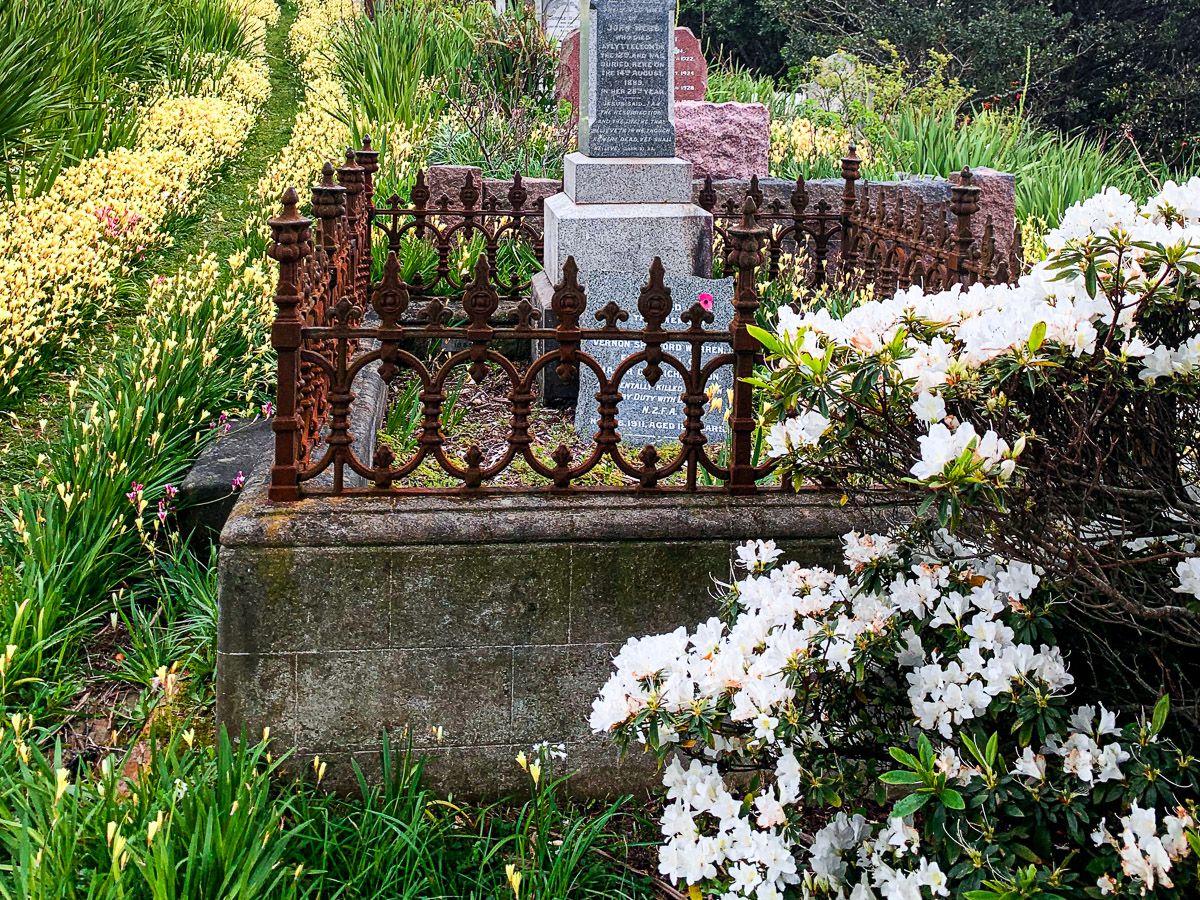
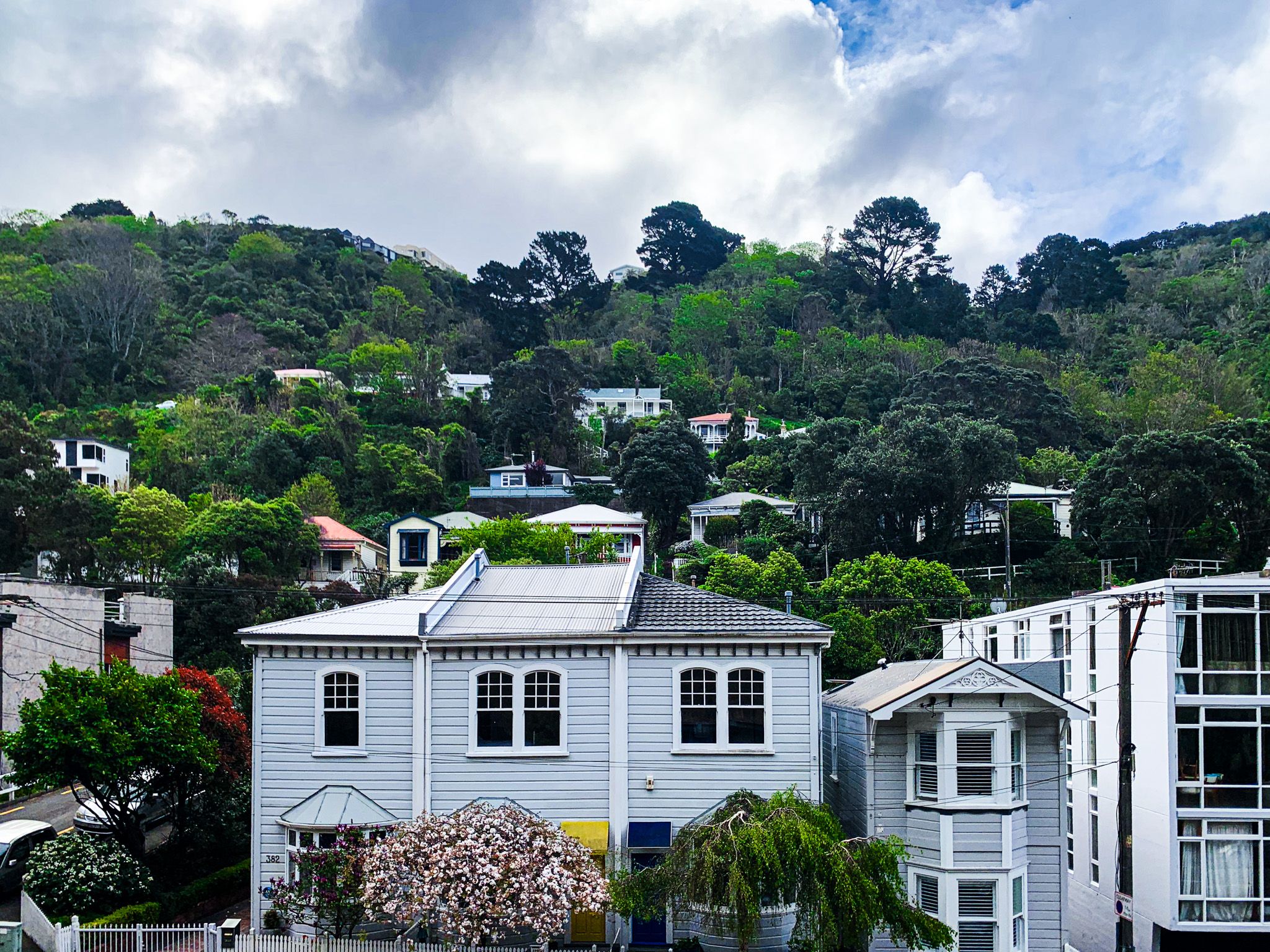
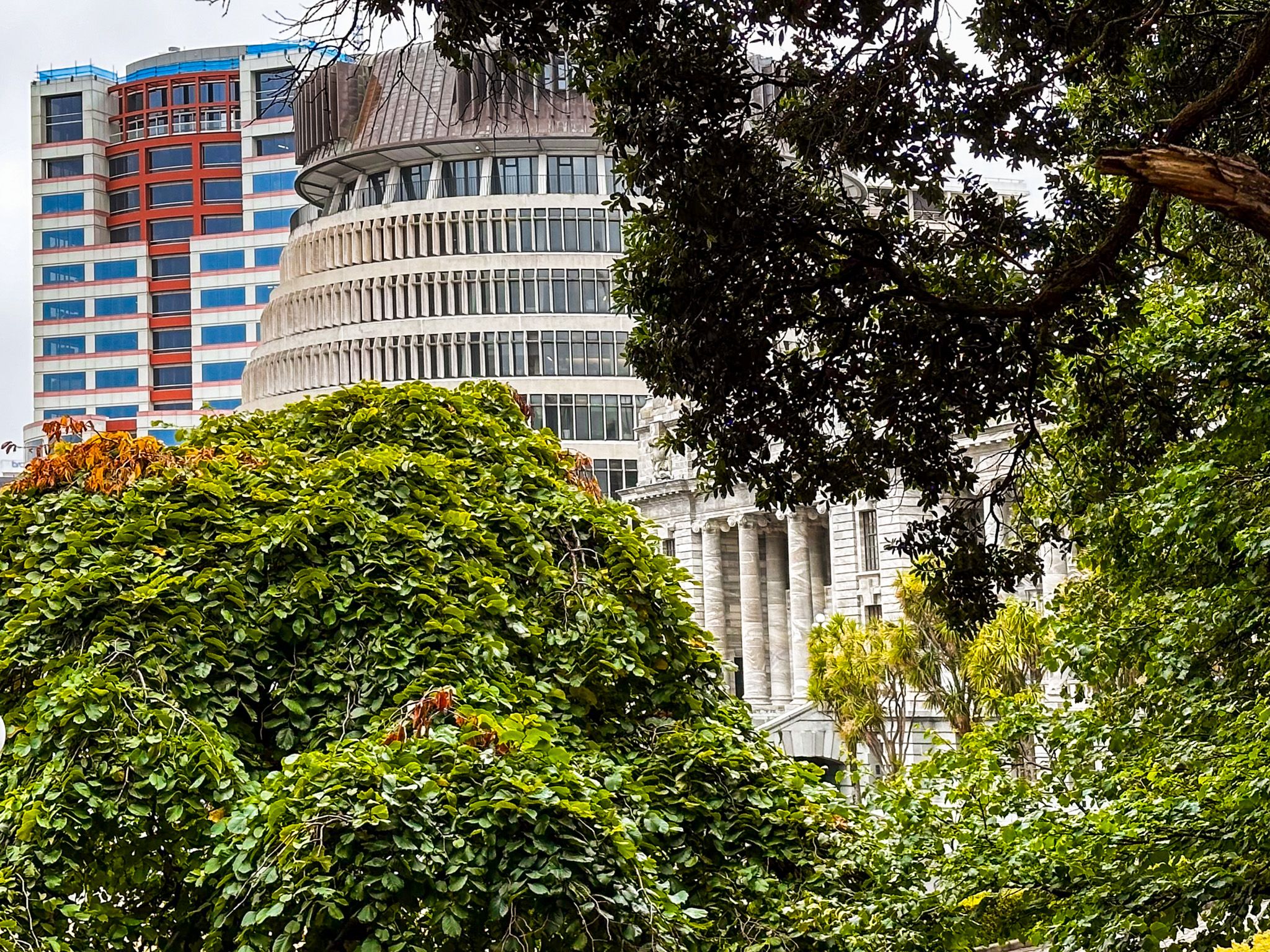
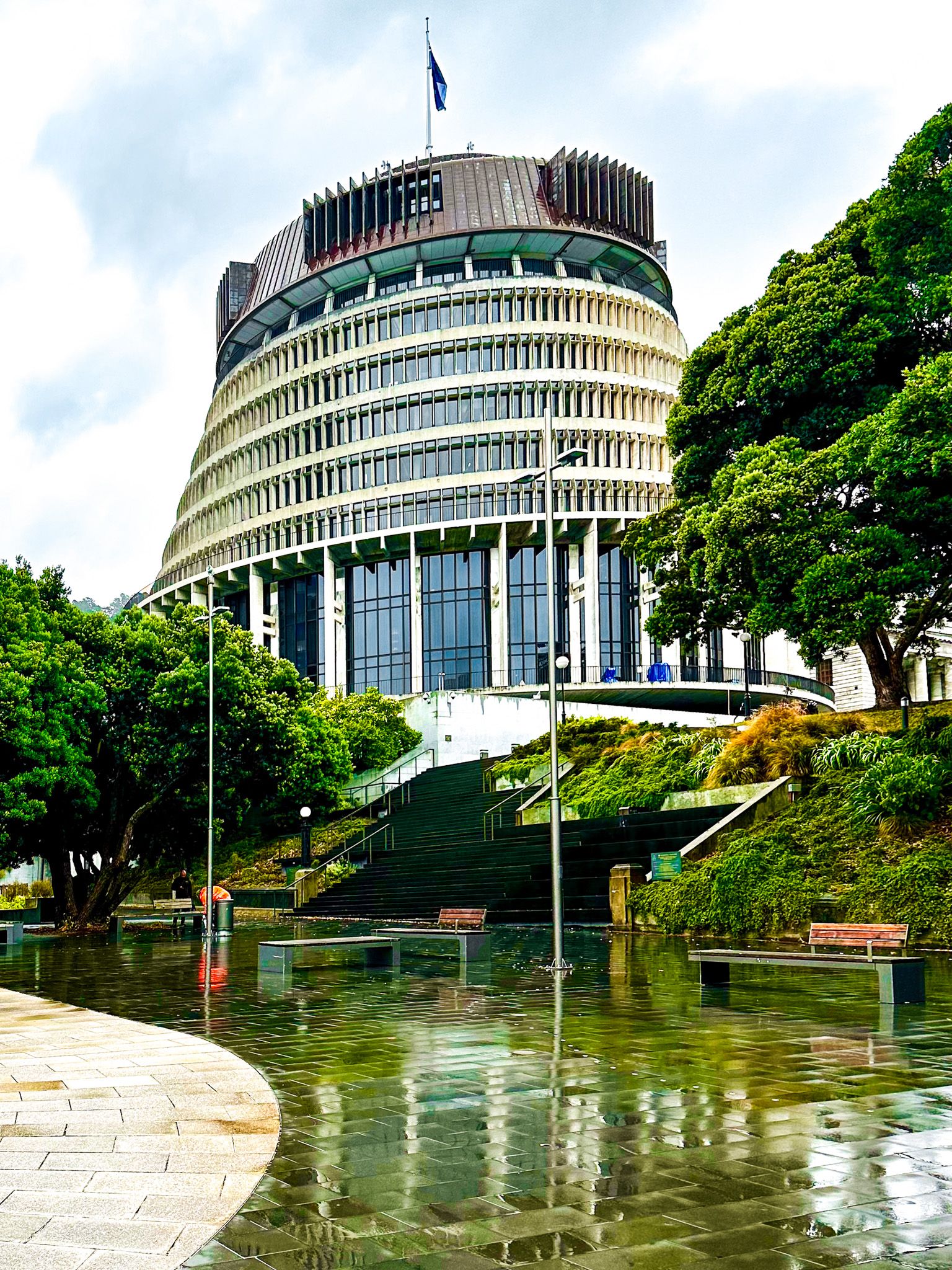
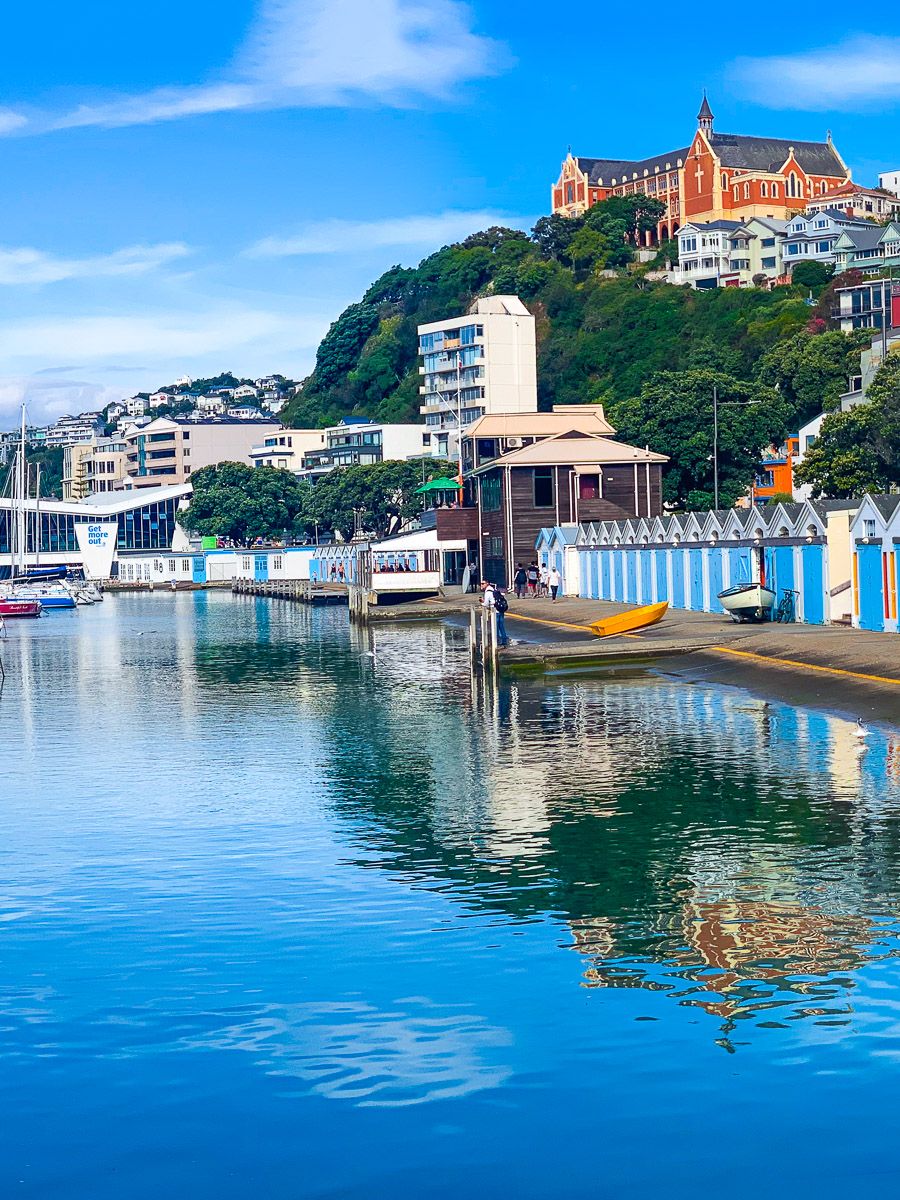
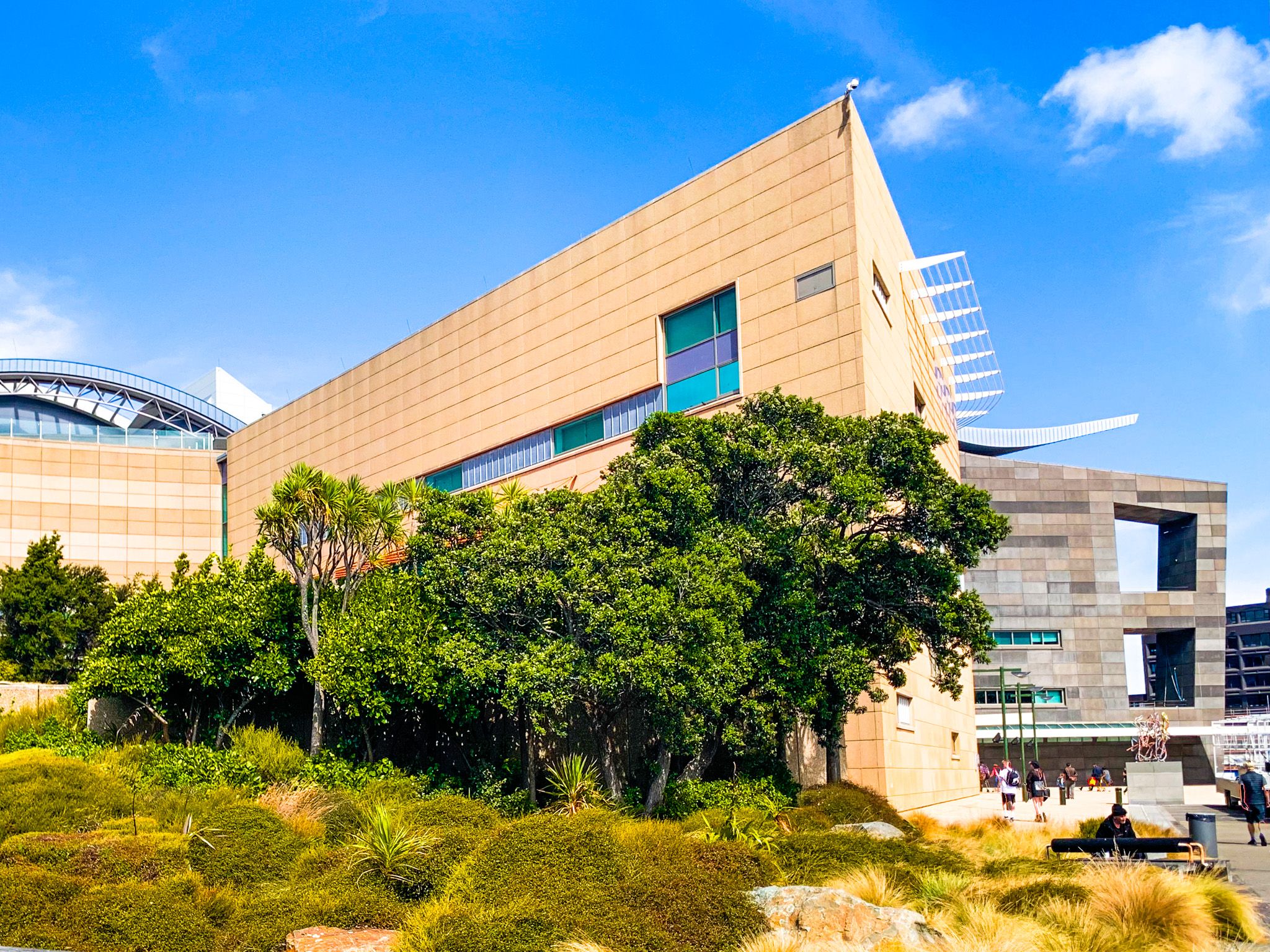
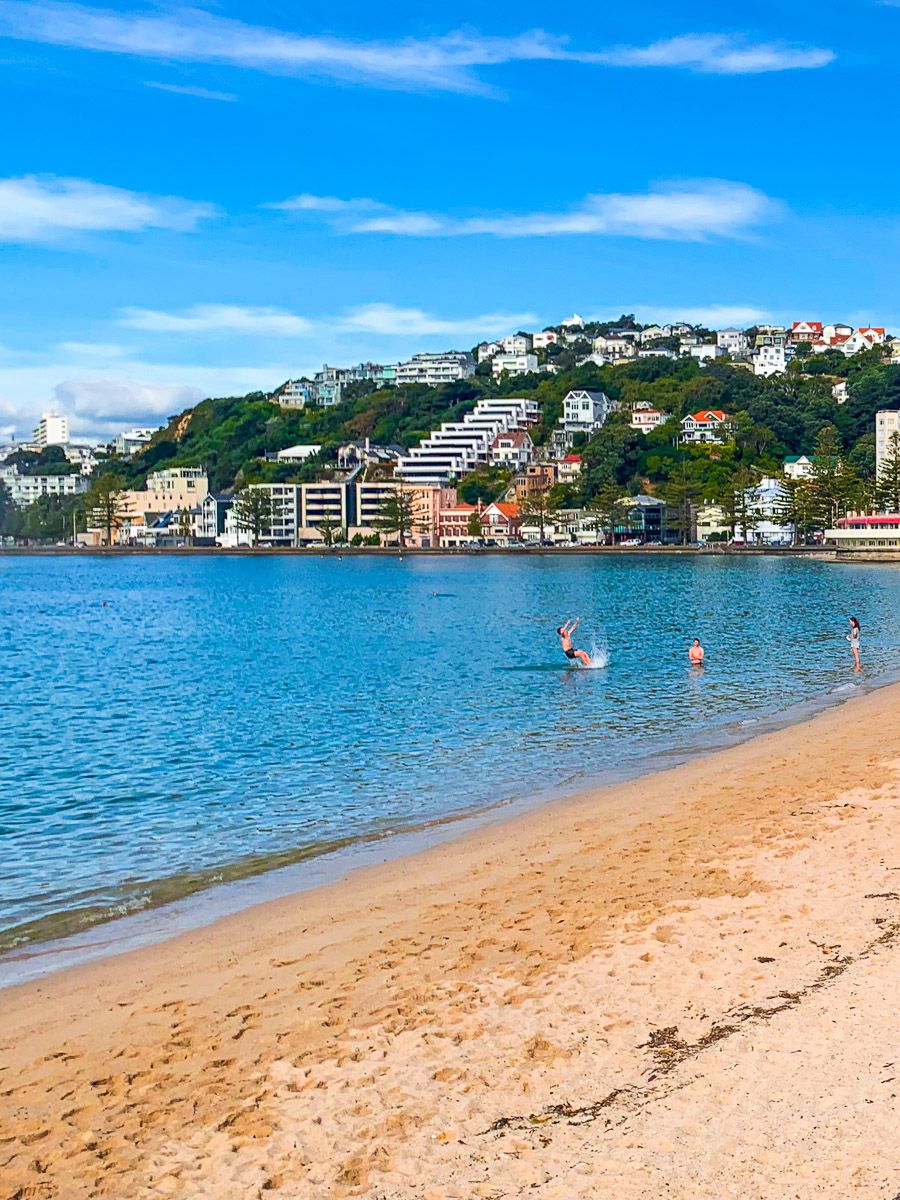
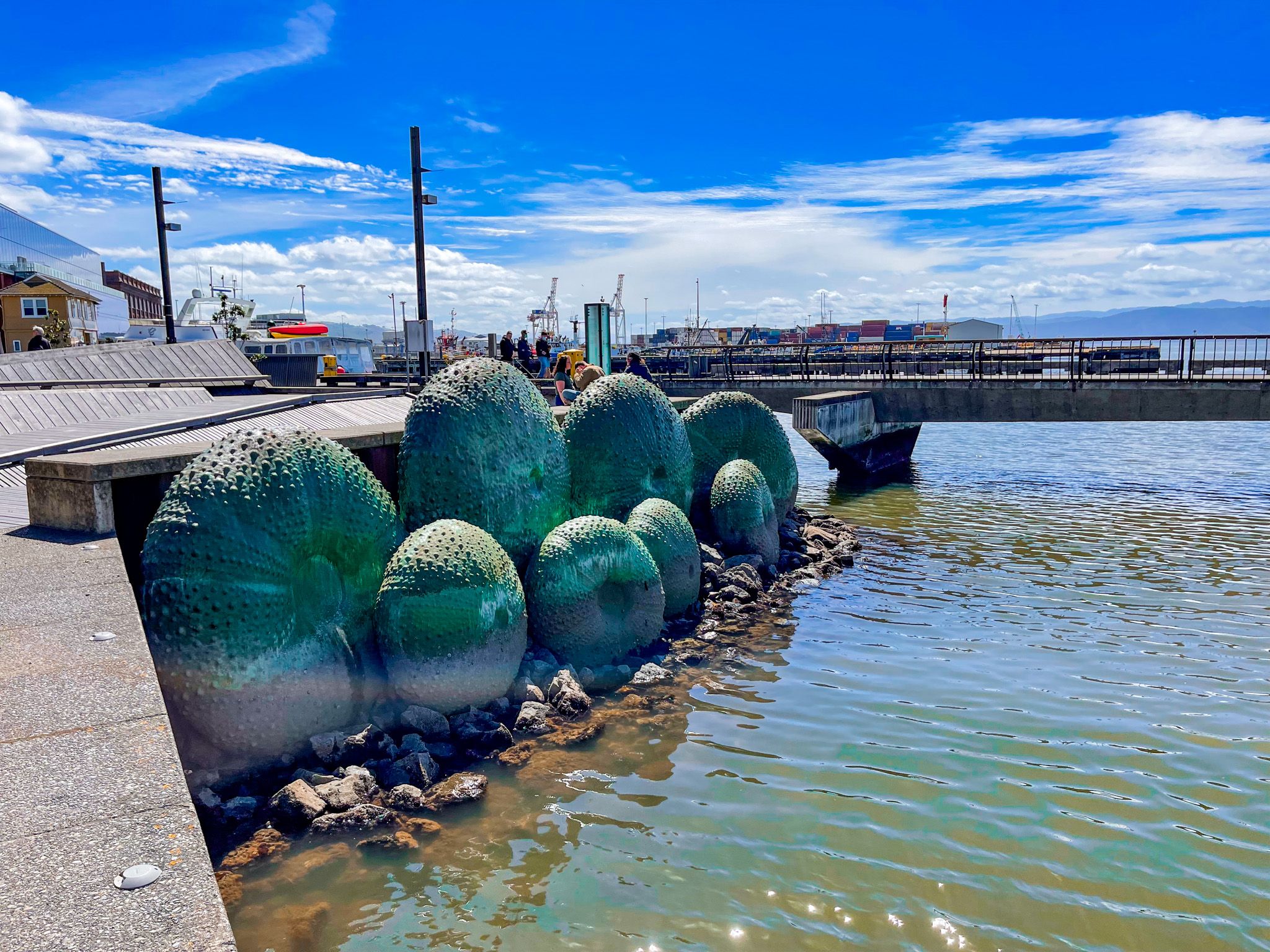
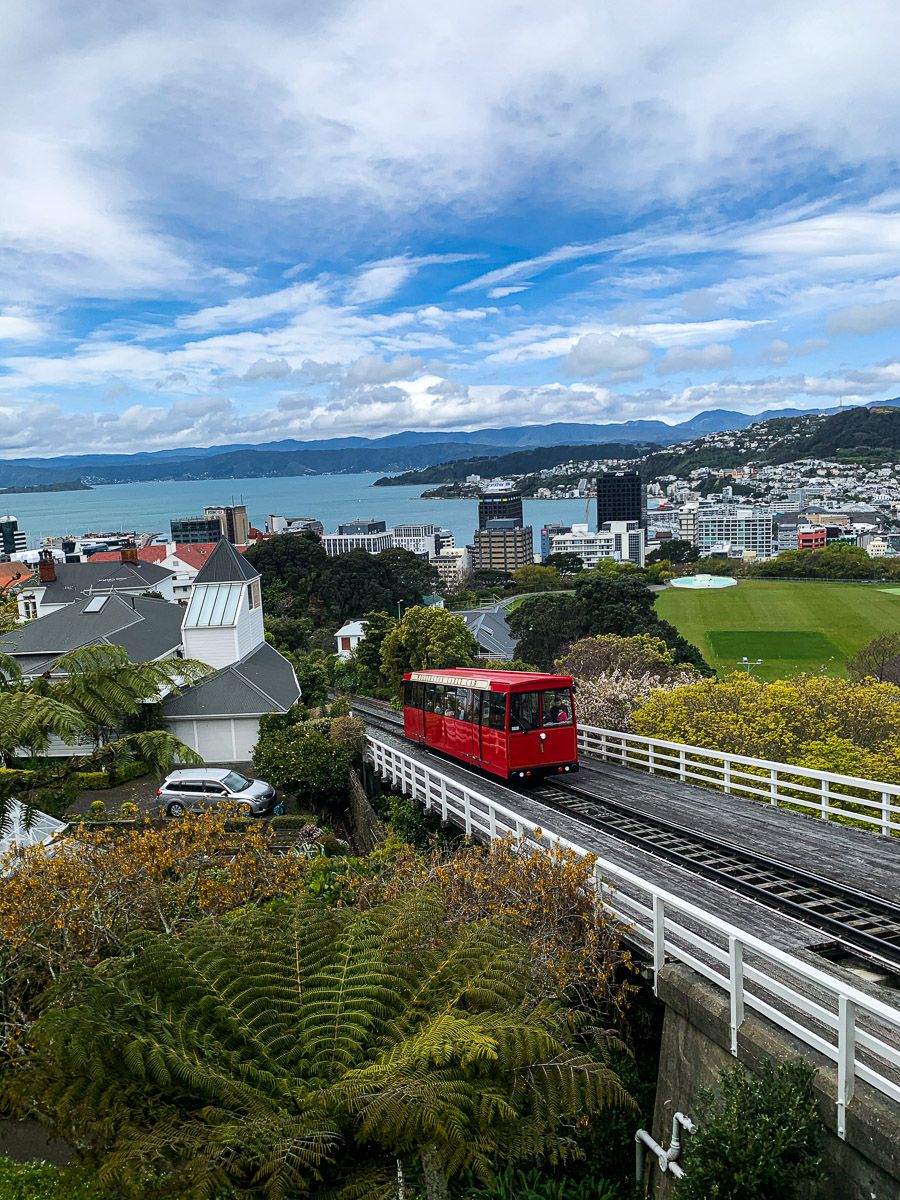
Wellington's compact city centre is a delightful place to walk, with a variety of attractions. Highlights include Zealandia, the Botanic Gardens, and Victoria University, which have excellent city views. You can explore Victorian houses on steep hills, the parliament precinct, the waterfront, Te Papa, Pukeahu National War Memorial, Oriental Bay, and the main commercial district.
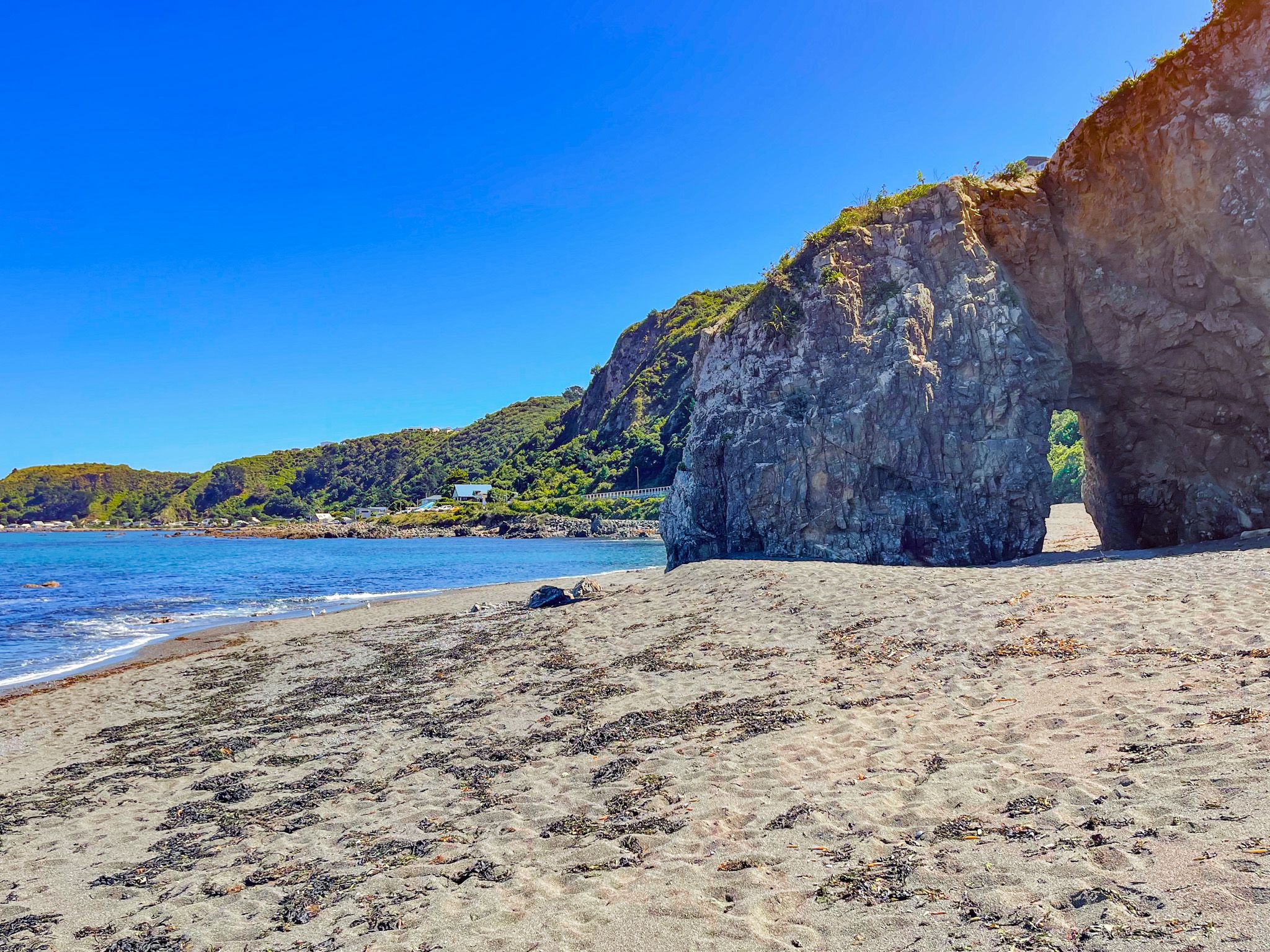
Further afield, Otari-Wilton’s Bush, the Skyline Walkway and Mount Victoria walking tracks offer more exploration opportunities, as do driving or cycling tours around Miramar and the south coast bays. After your adventures, enjoy the vibrant café and restaurant scene around Cuba Street.
Getting to Wellington
Wellington is accessible by various modes of transport. If you're driving, State Highway 1 via the Kāpiti Coast and State Highway 2 over the spectacular Remutaka Range and through the Hutt Valley connect the city to other parts of the North Island. The city is also well-served by public transport, with regular train services to the Kāpiti Coast and Wairarapa. Wellington International Airport provides domestic and international flights.