Exploring Wellington's Parliament Precinct
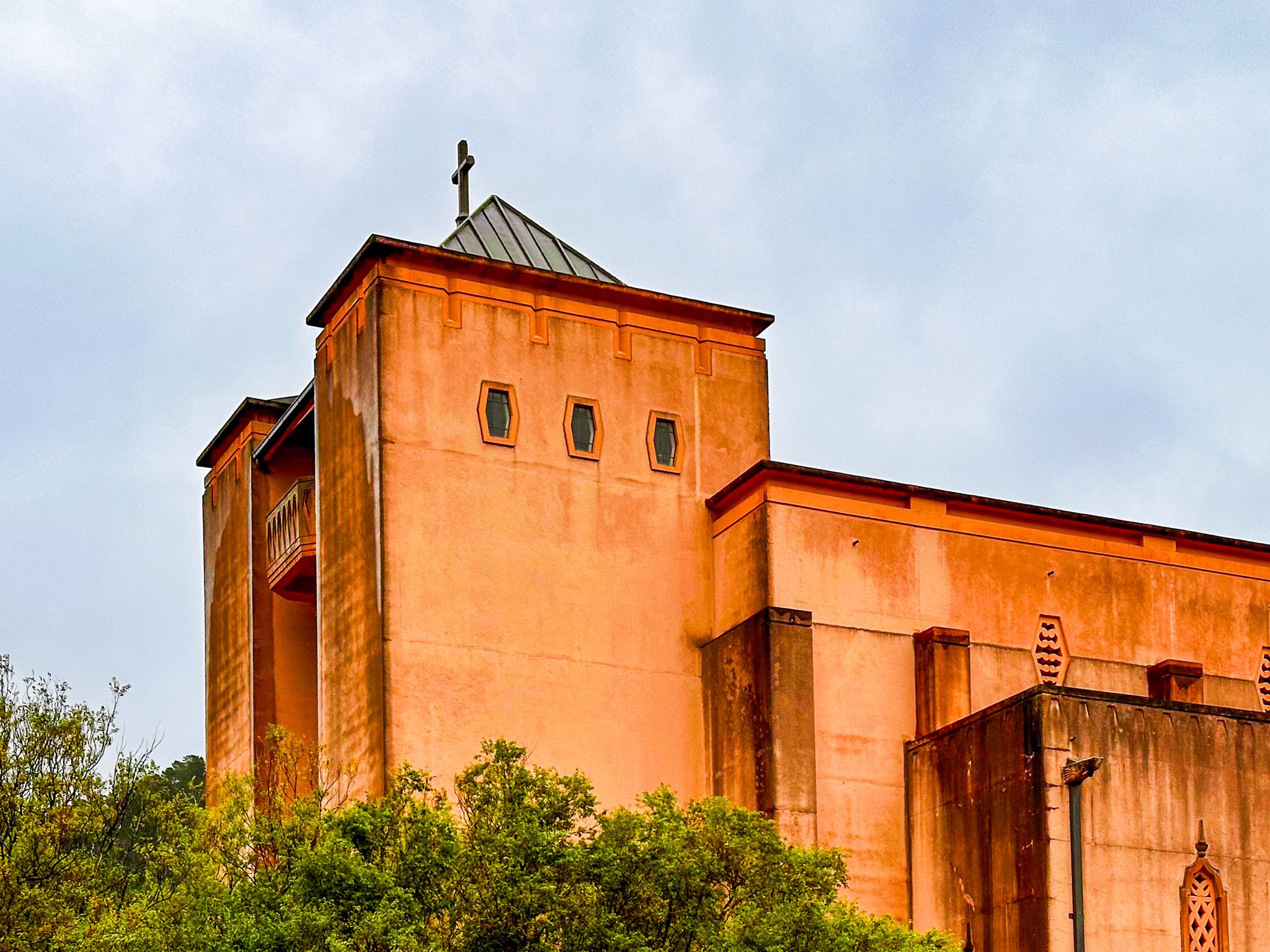
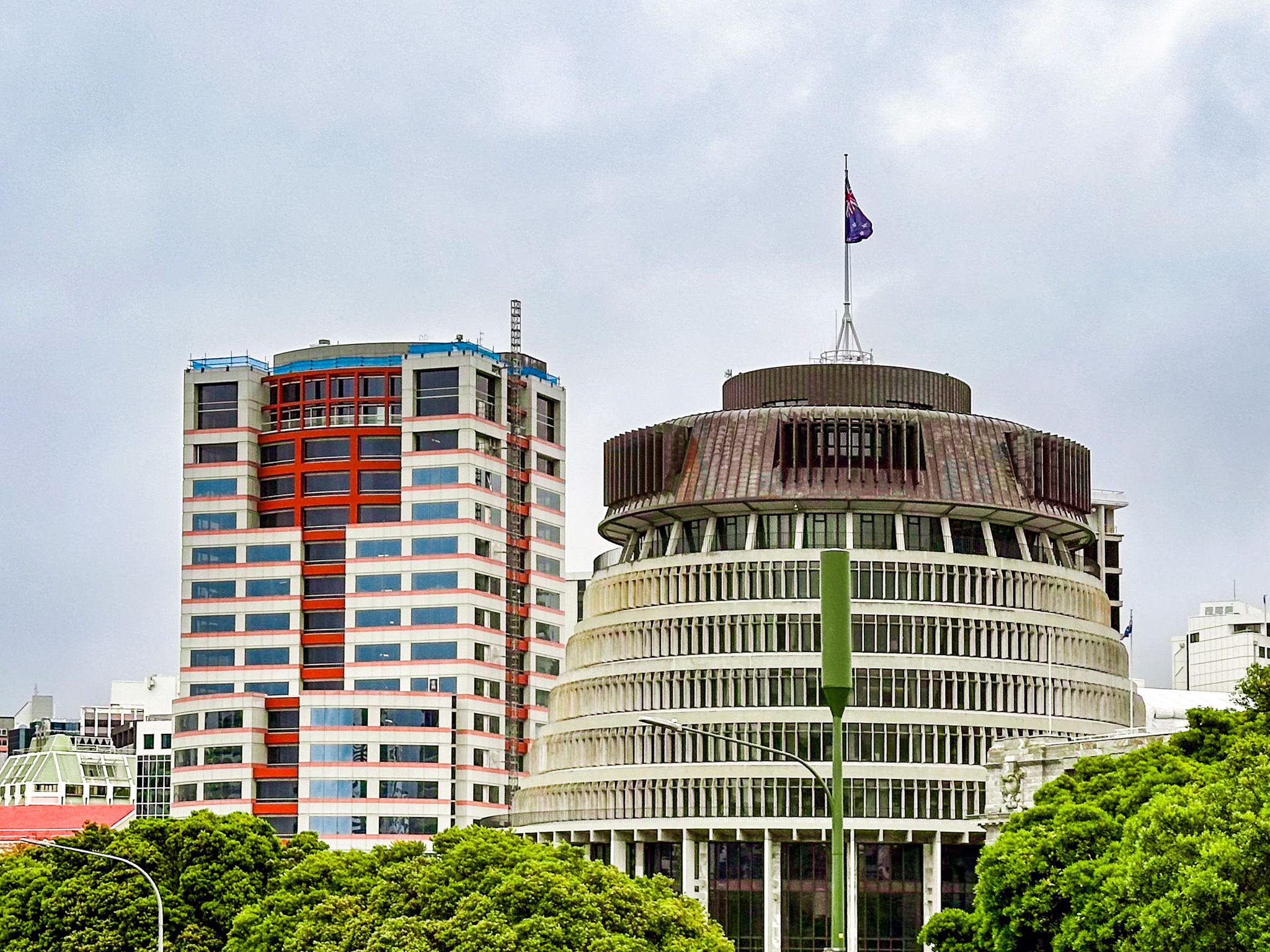
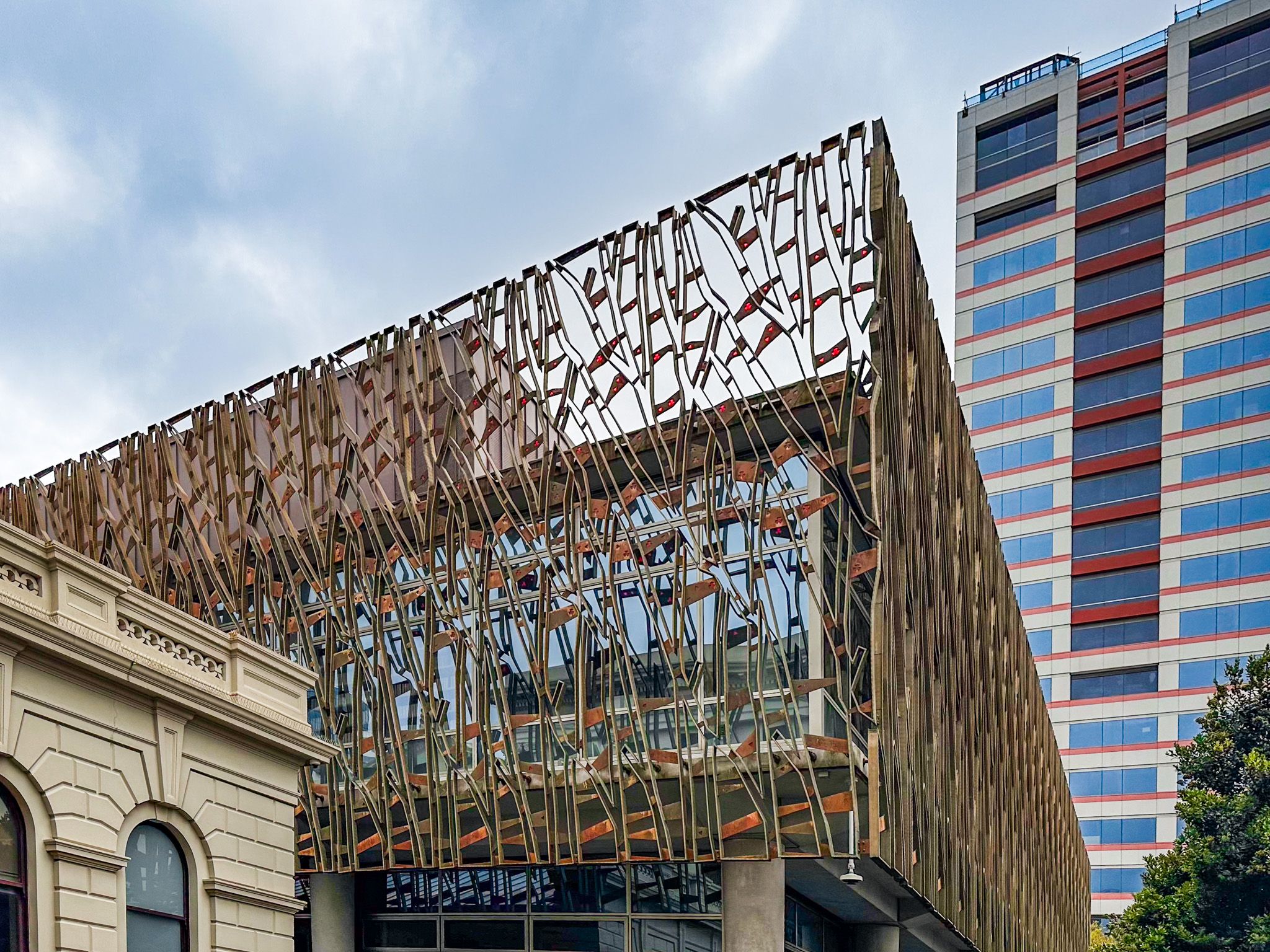
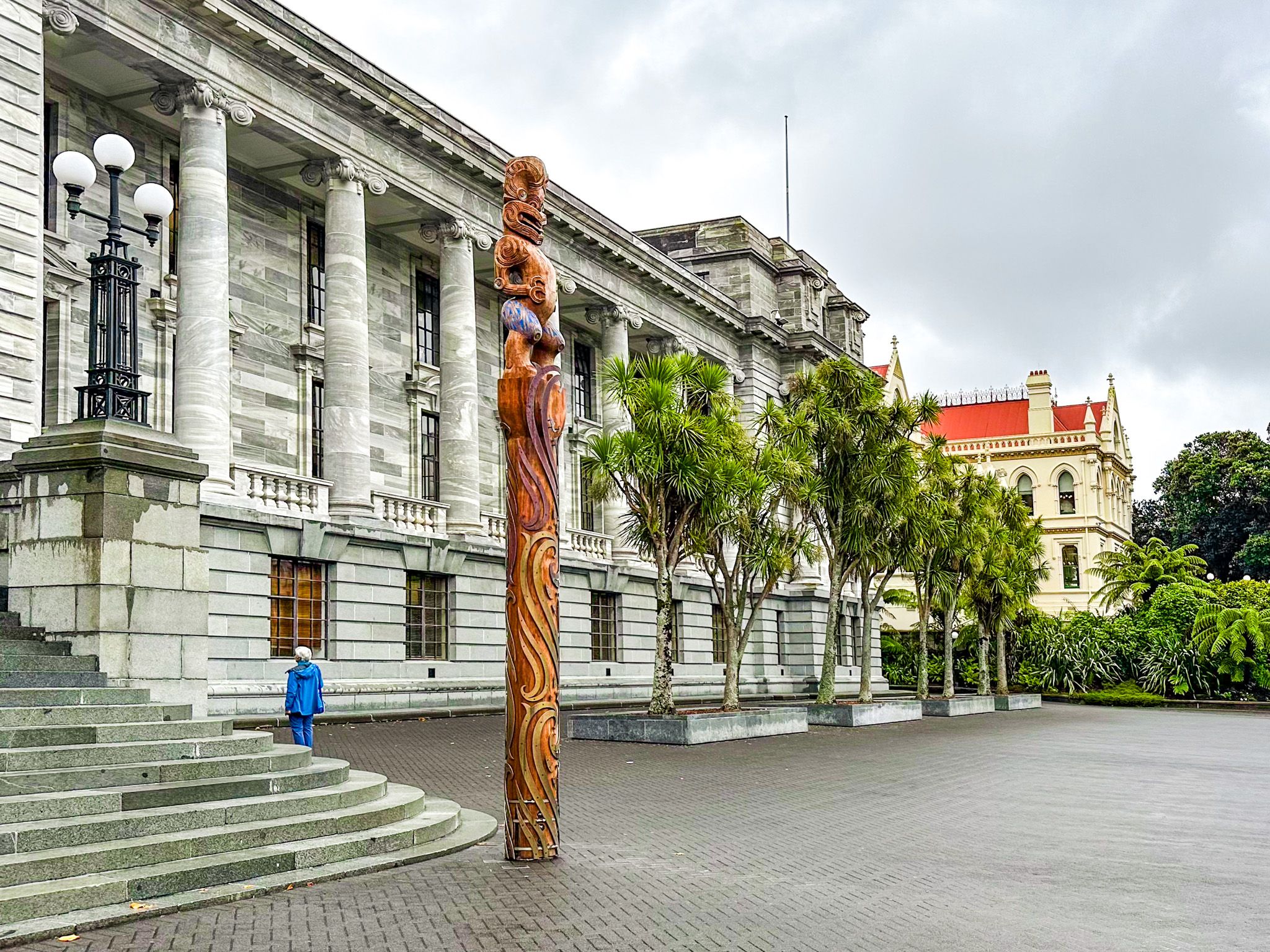
Located at the northern end of Central Wellington, the Parliament Precinct is an interesting area that showcases a blend of historical and modern architecture. Bounded by the Wellington motorway to the north and west, and Thorndon Quay to the east, this precinct is home to significant government buildings and embassies. A highlight of the area is the lower end of Molesworth Street, which features landmarks such as the Beehive, Parliament, the National Library with He Tohu, and the Cathedral of St Paul's.
Architectural Styles and Historical Significance
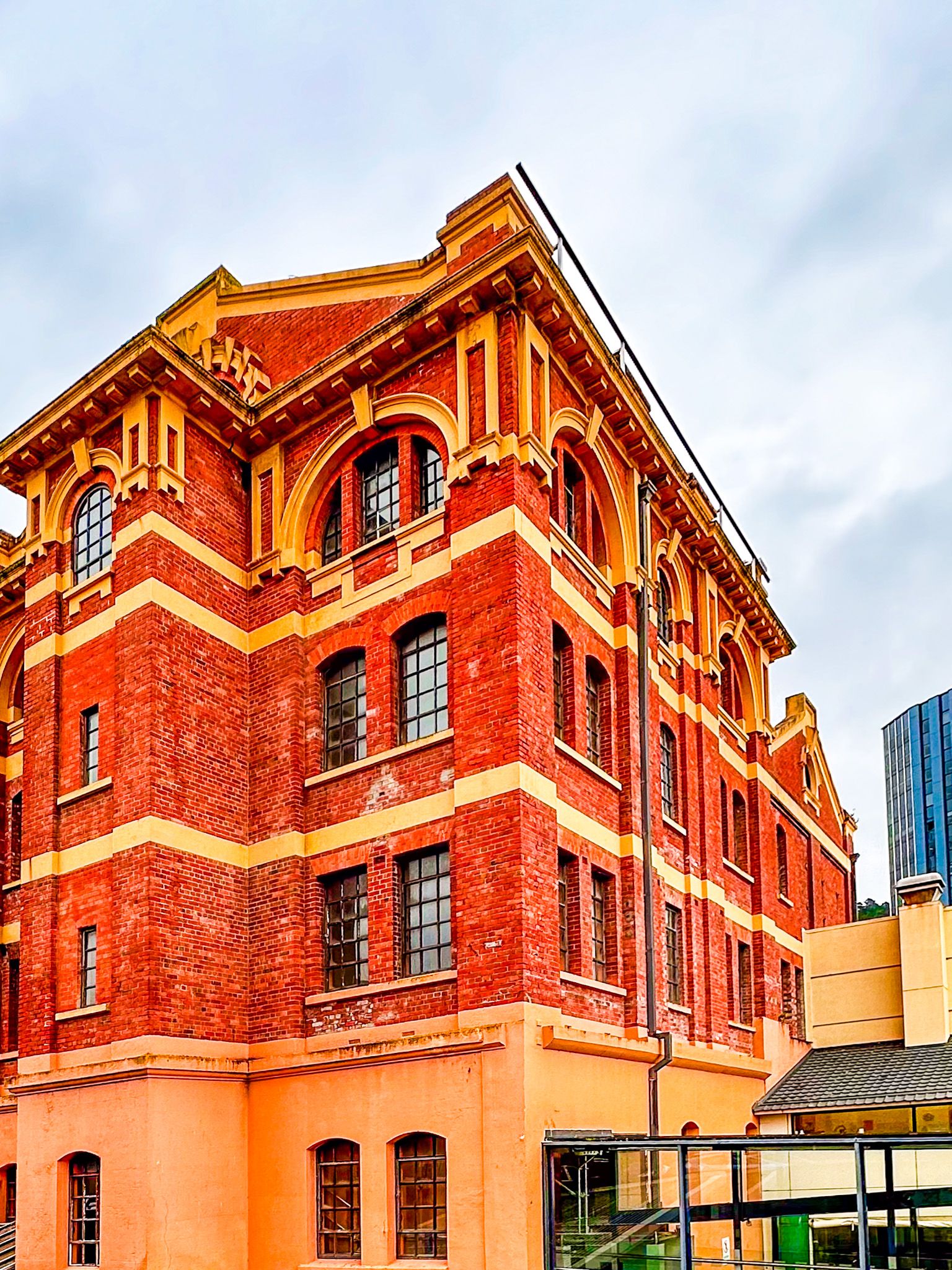
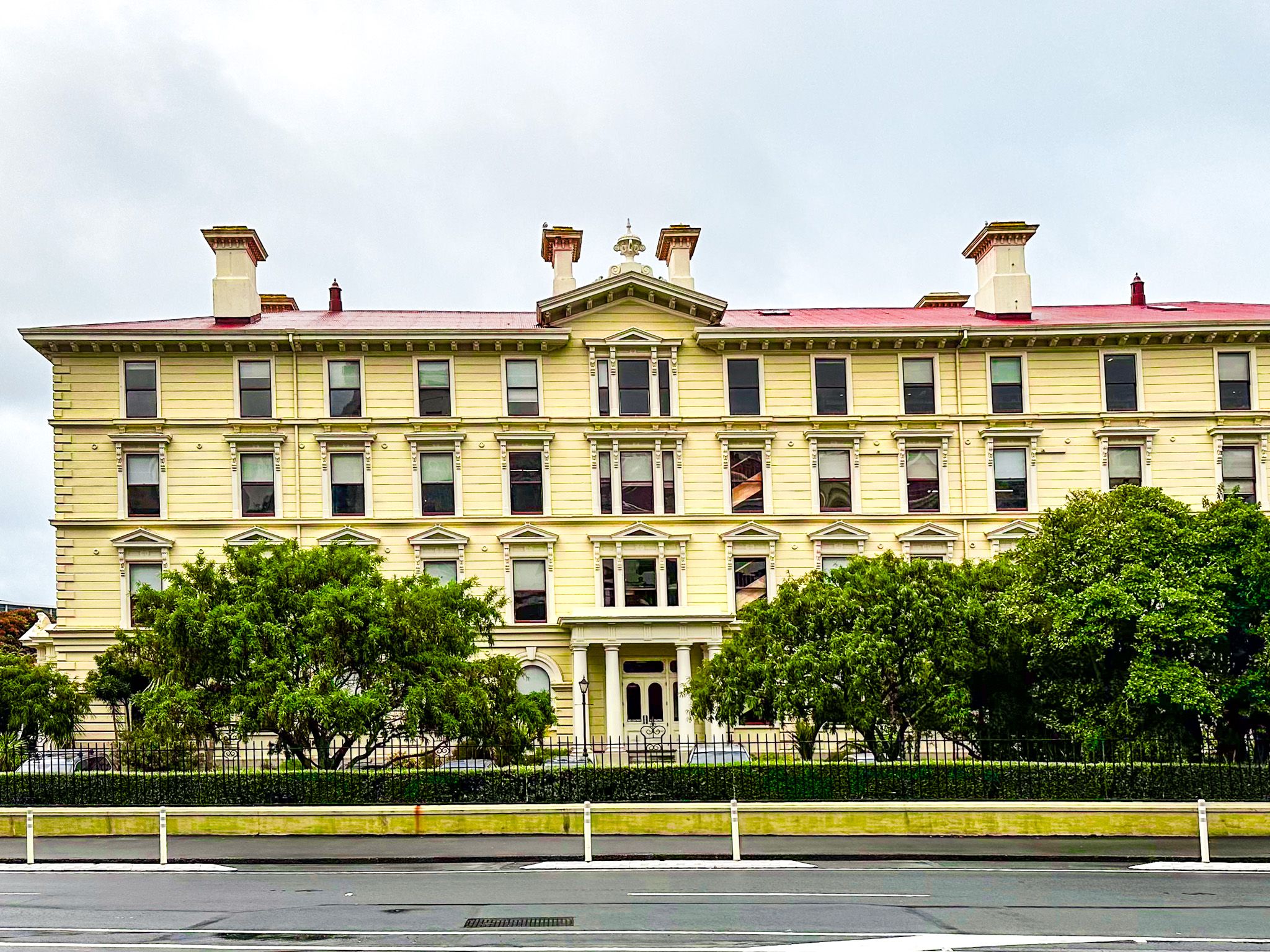
The Parliament Precinct’s diverse architectural styles reflect the historical periods and governmental objectives during which the buildings were constructed. The Old Government Buildings, completed in 1876, are a prime example. Built in an Italianate, Neo-Renaissance style, these structures were intended to emulate the grandeur of an Italian stone palace. However, due to budget constraints, they were constructed entirely from kauri wood, cleverly designed to resemble stone. This choice proved advantageous, as wooden buildings are more resilient in earthquakes.
For over a century, these buildings were the world’s second-largest wooden structures and now house the Victoria University Law School.
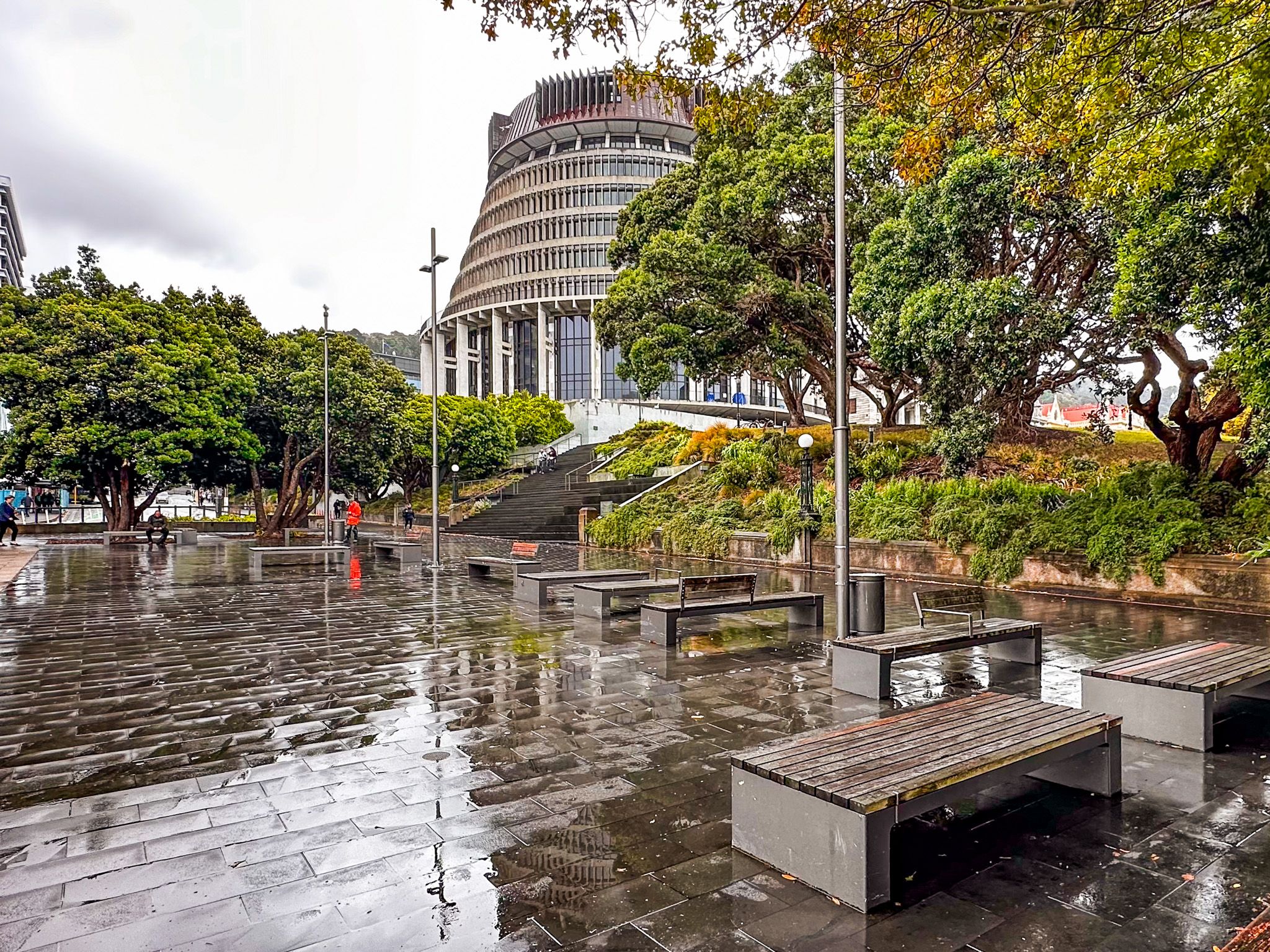
The Beehive: A Modern Icon
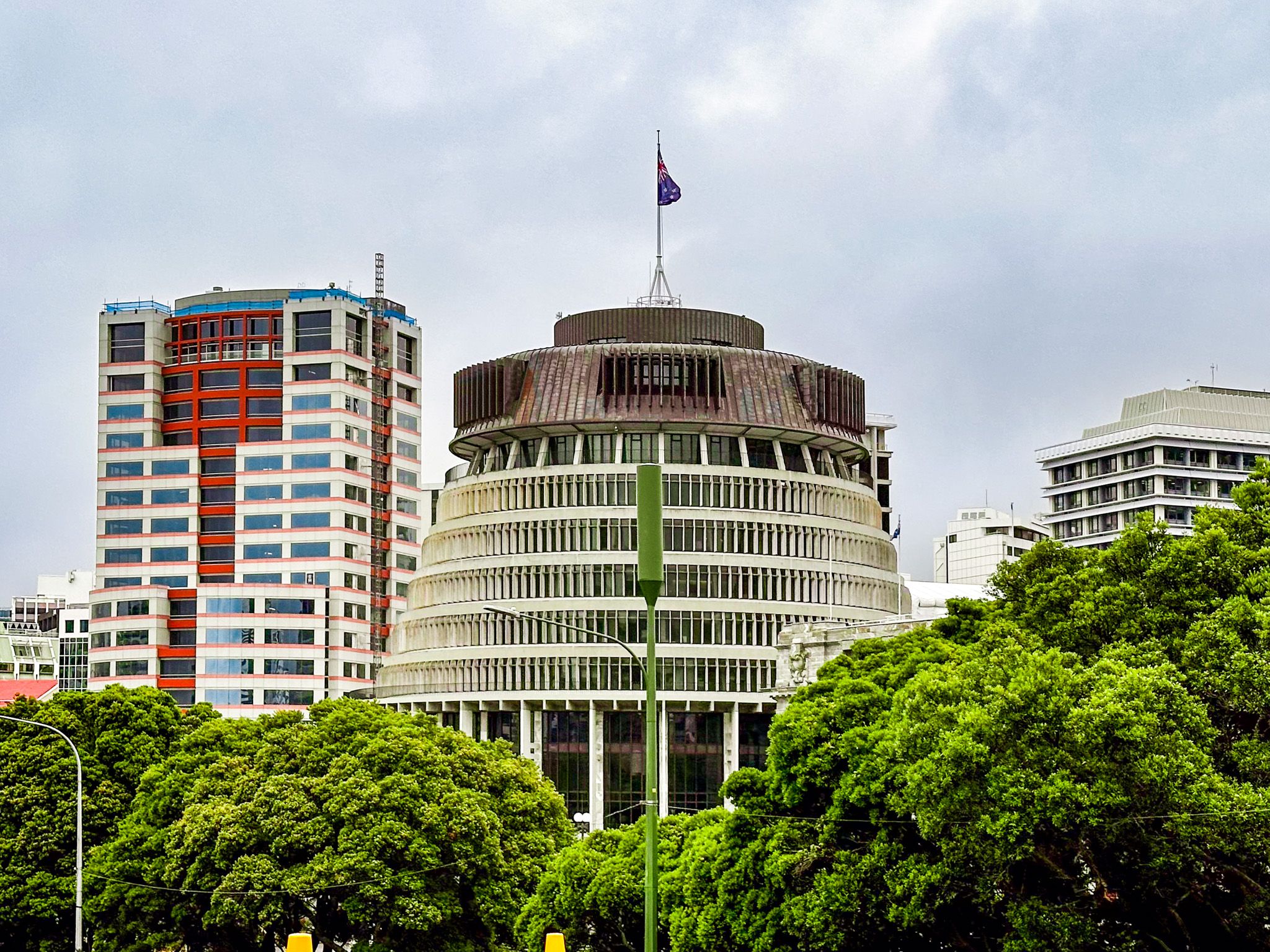
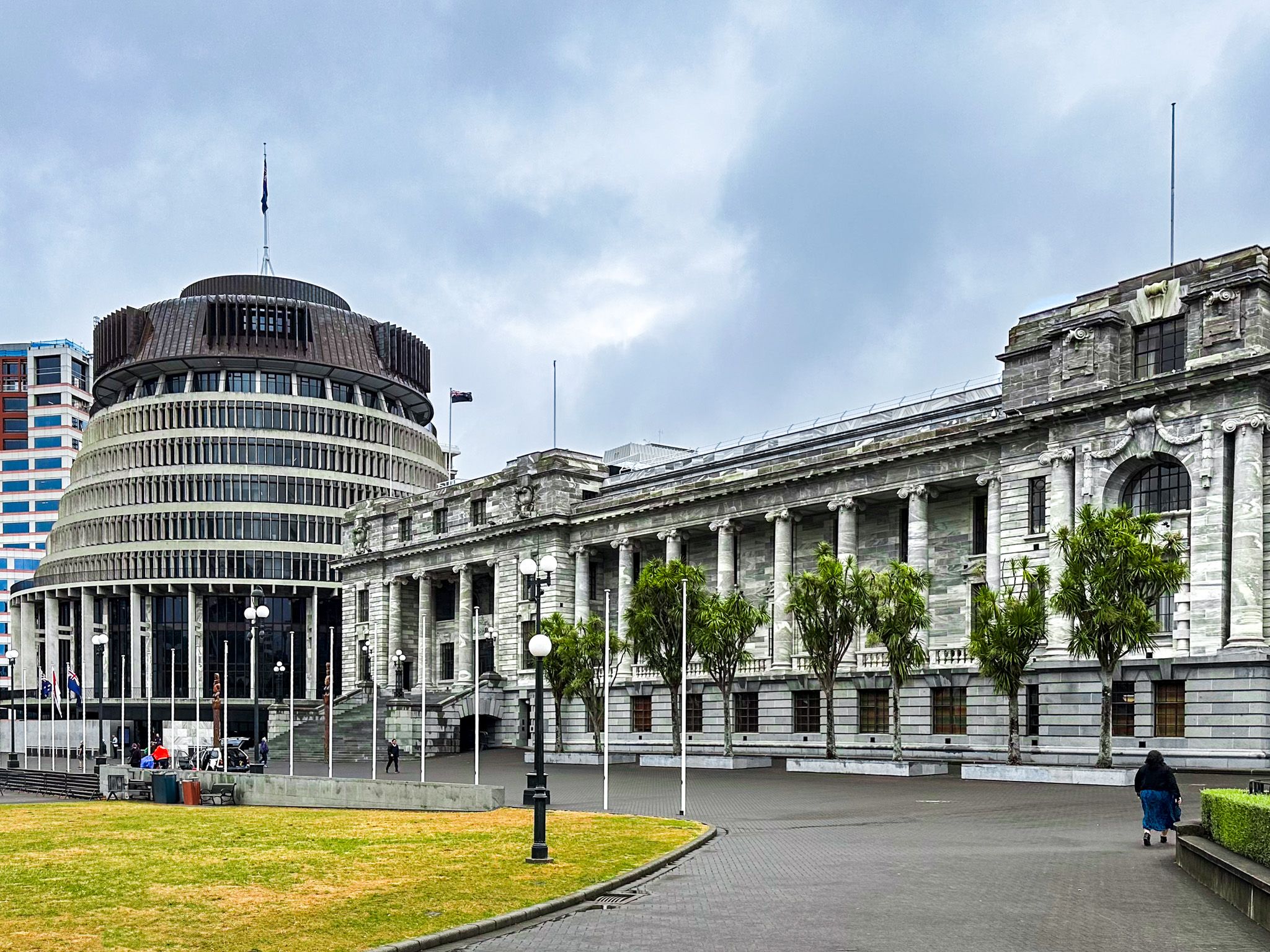
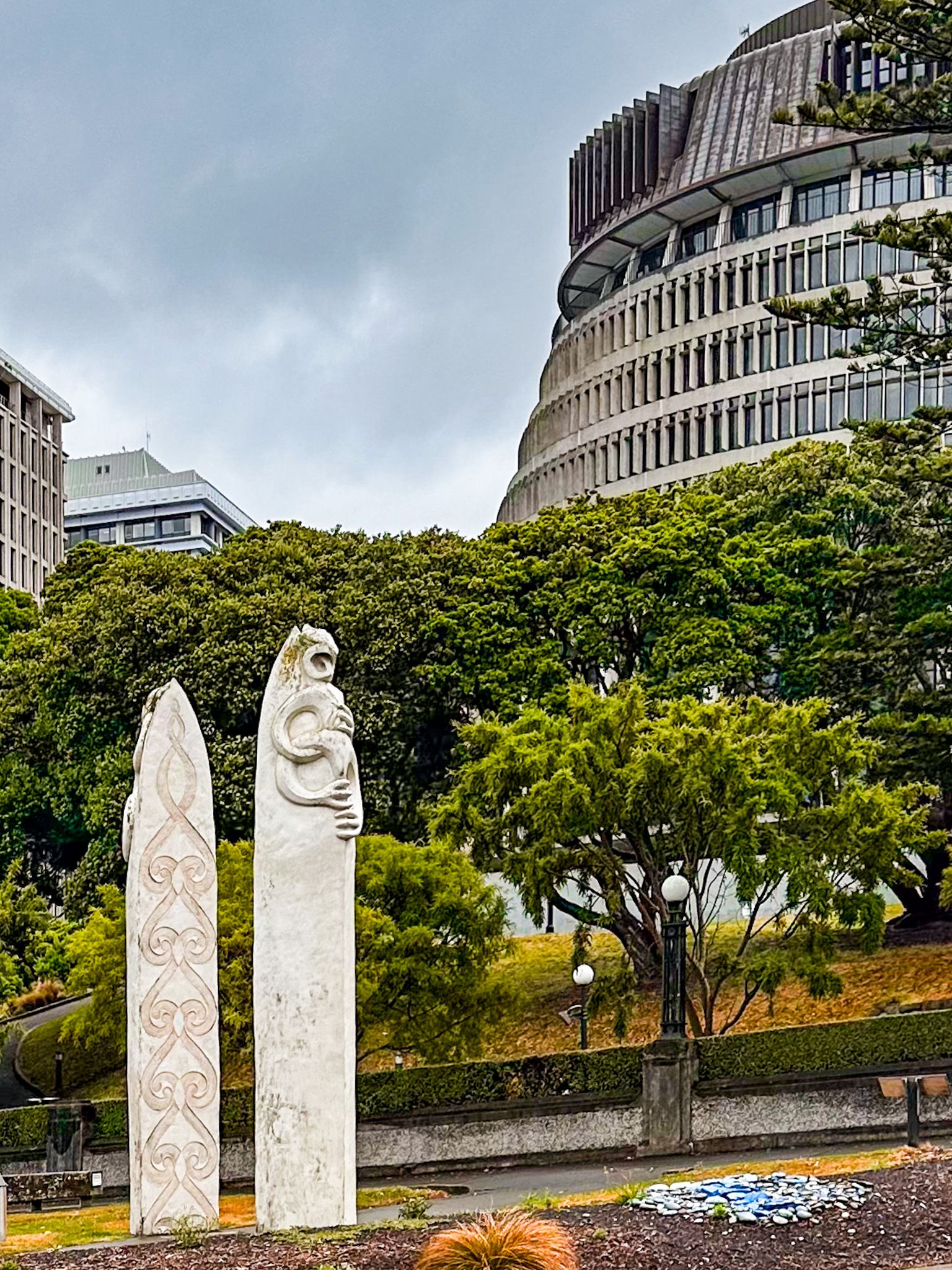
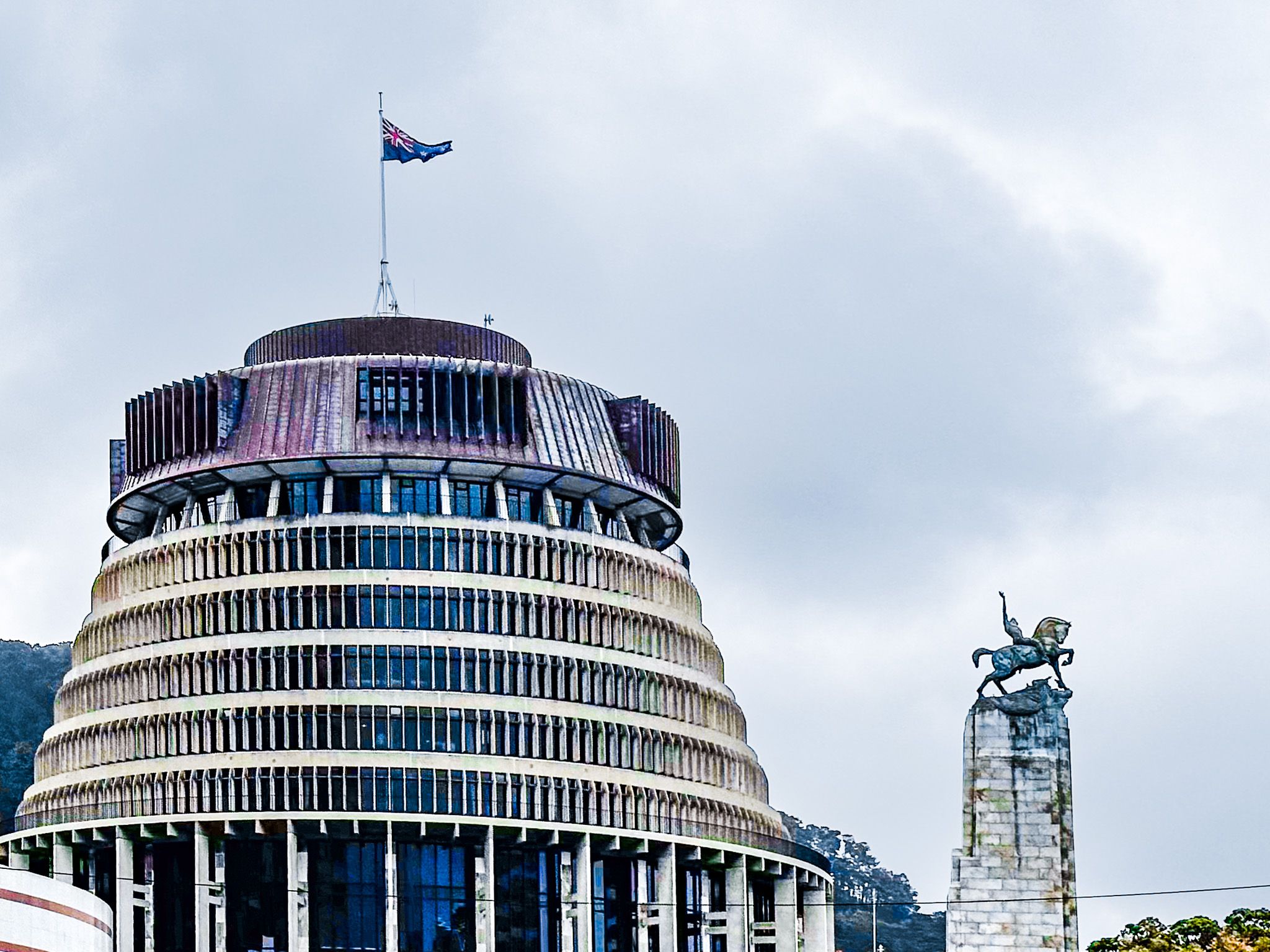
The Beehive is a key feature of the precinct. The building, conceived by British architect Sir Basil Spence in 1964, was designed to house the executive branch of the New Zealand government. Its modernist design, completed by the Ministry of Works in 1979, has been both criticised and admired. The building's nickname, "Beehive," aptly describes its shape. Standing ten storeys high, it accommodates the cabinet and the prime minister’s office on its top two floors.
Key Landmarks and Their Stories
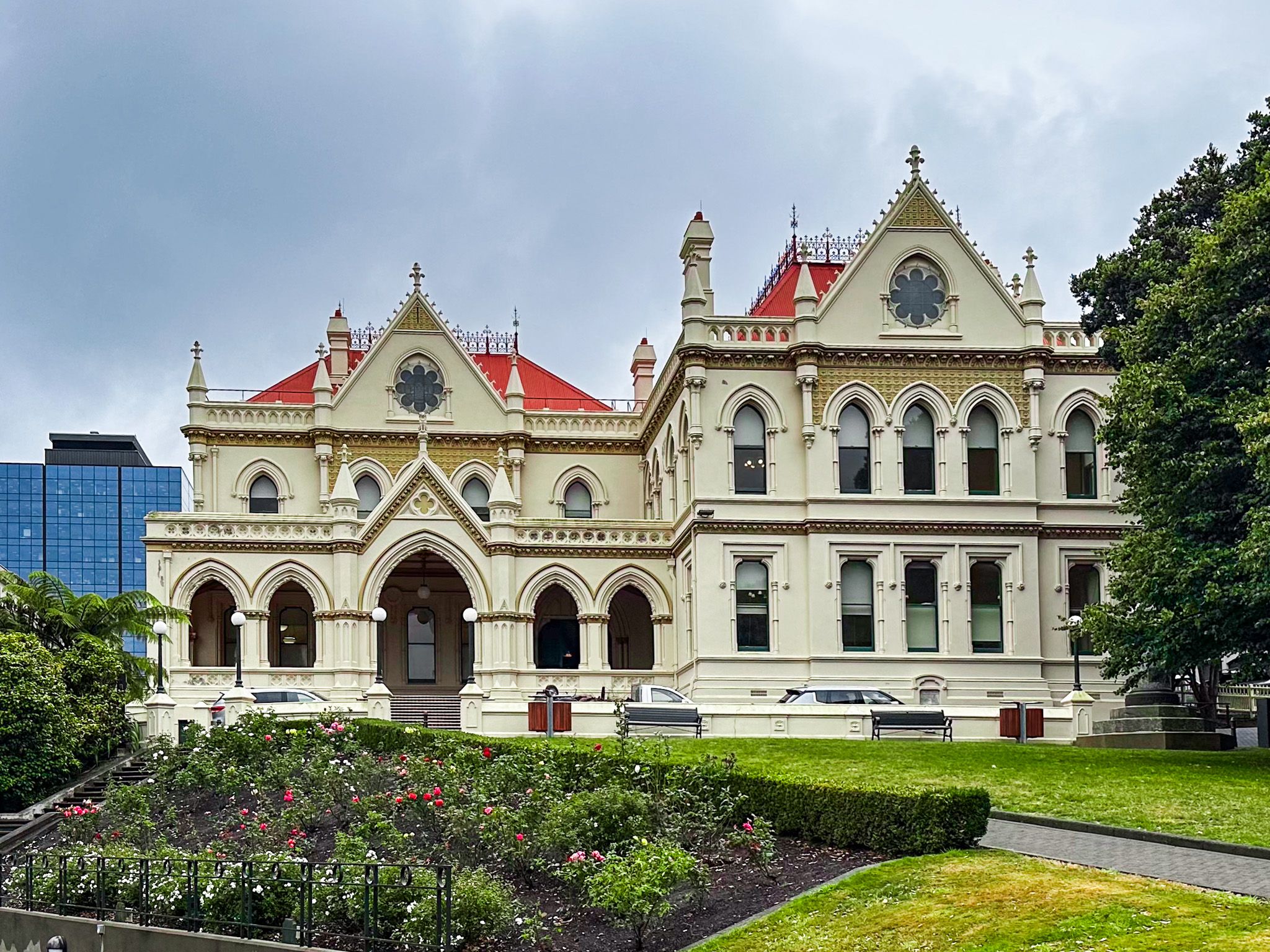
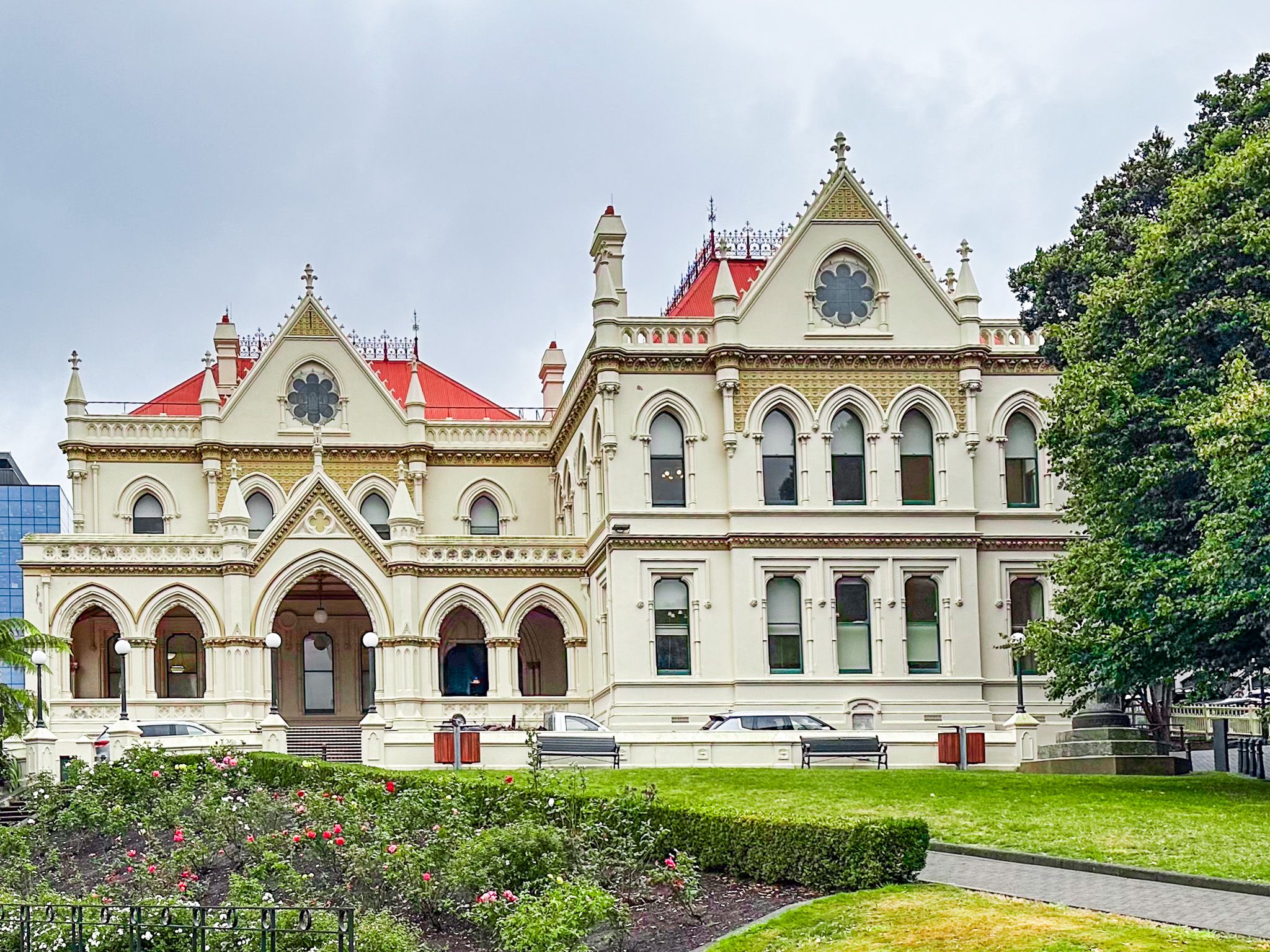
The Parliamentary Library, completed in 1899, is the oldest surviving building in the precinct. Designed in a Gothic Revival style, it was constructed with fire-resistant masonry and an iron fire door, which protected it during a major fire in 1907.
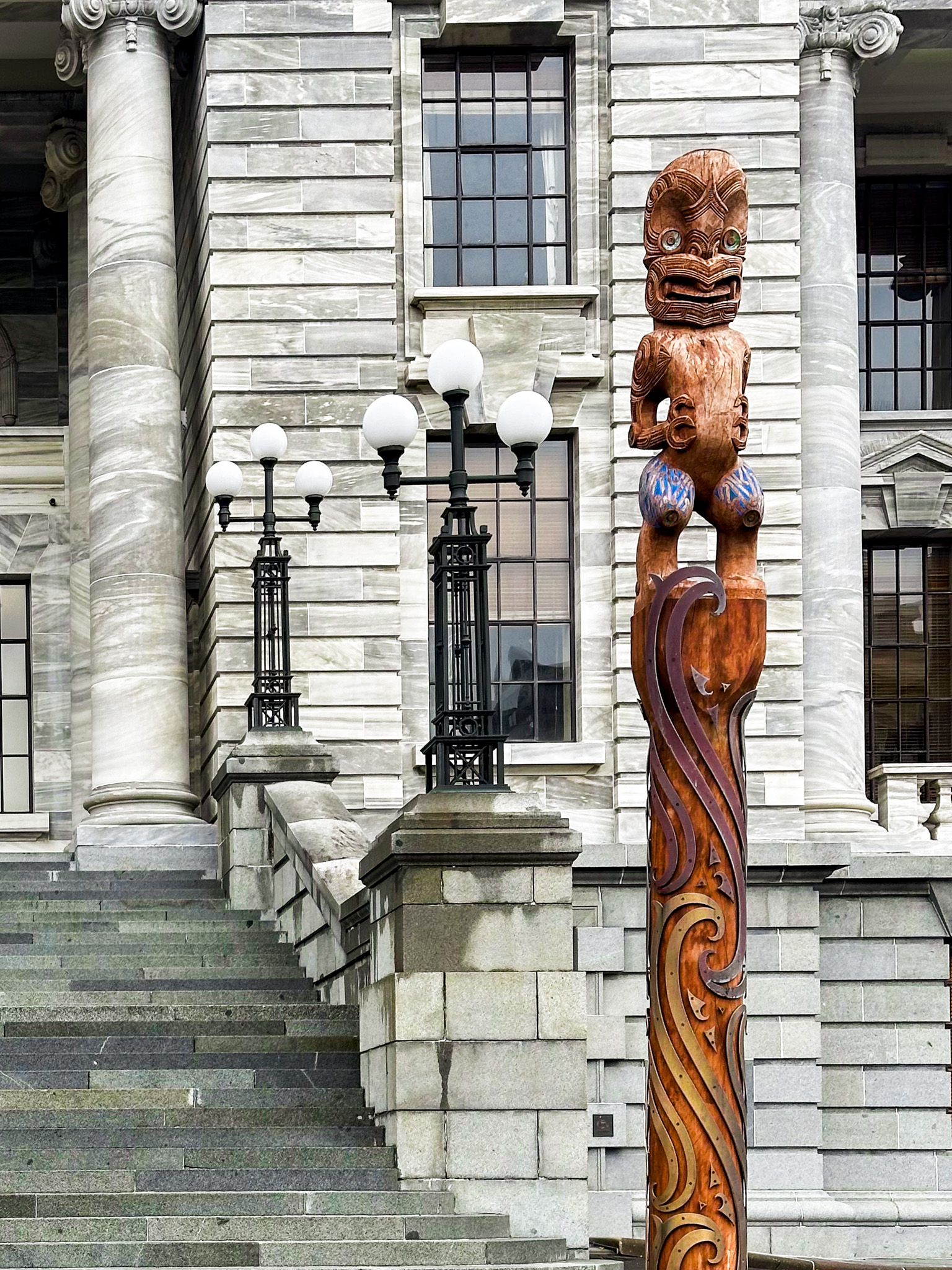
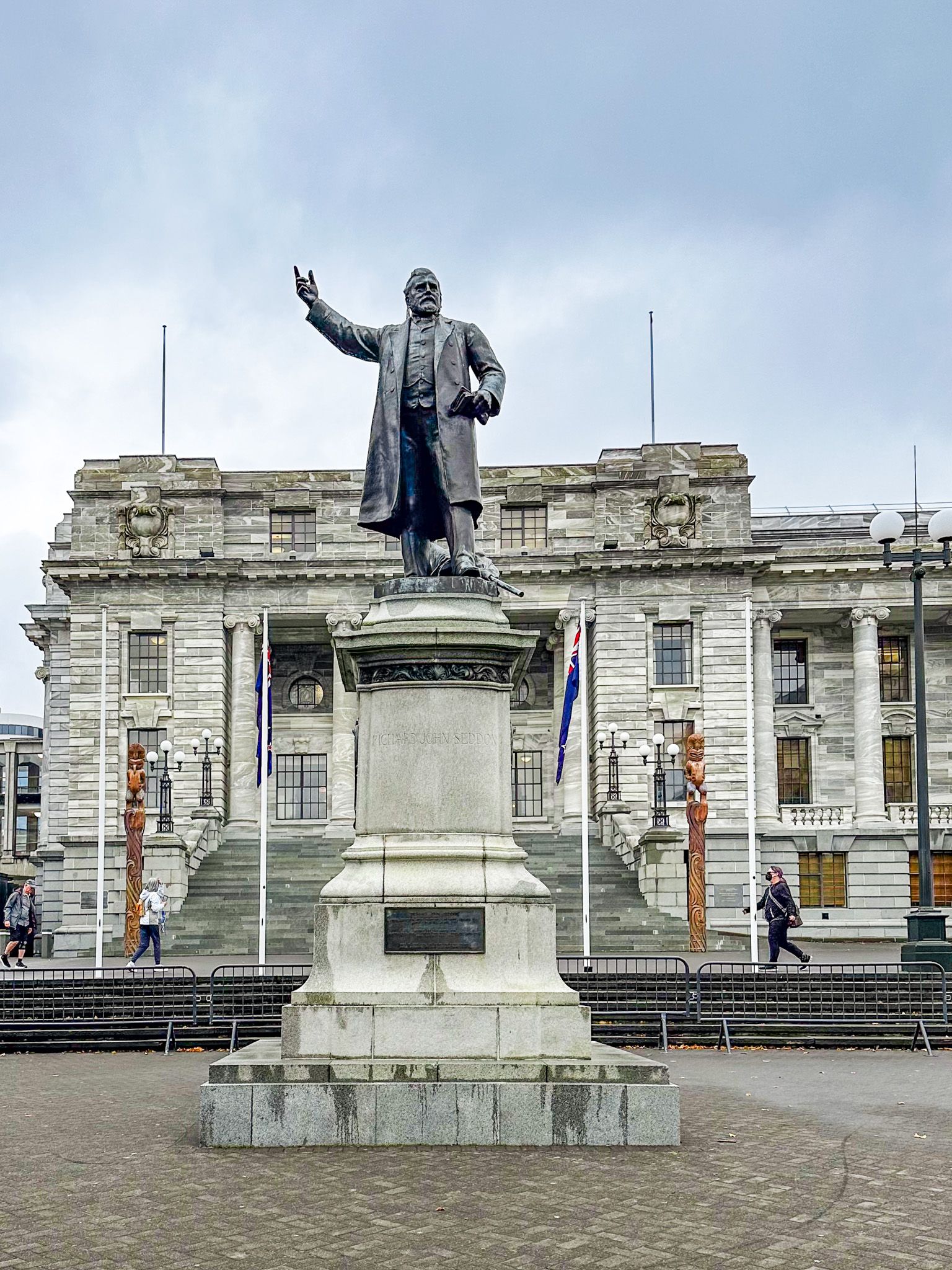
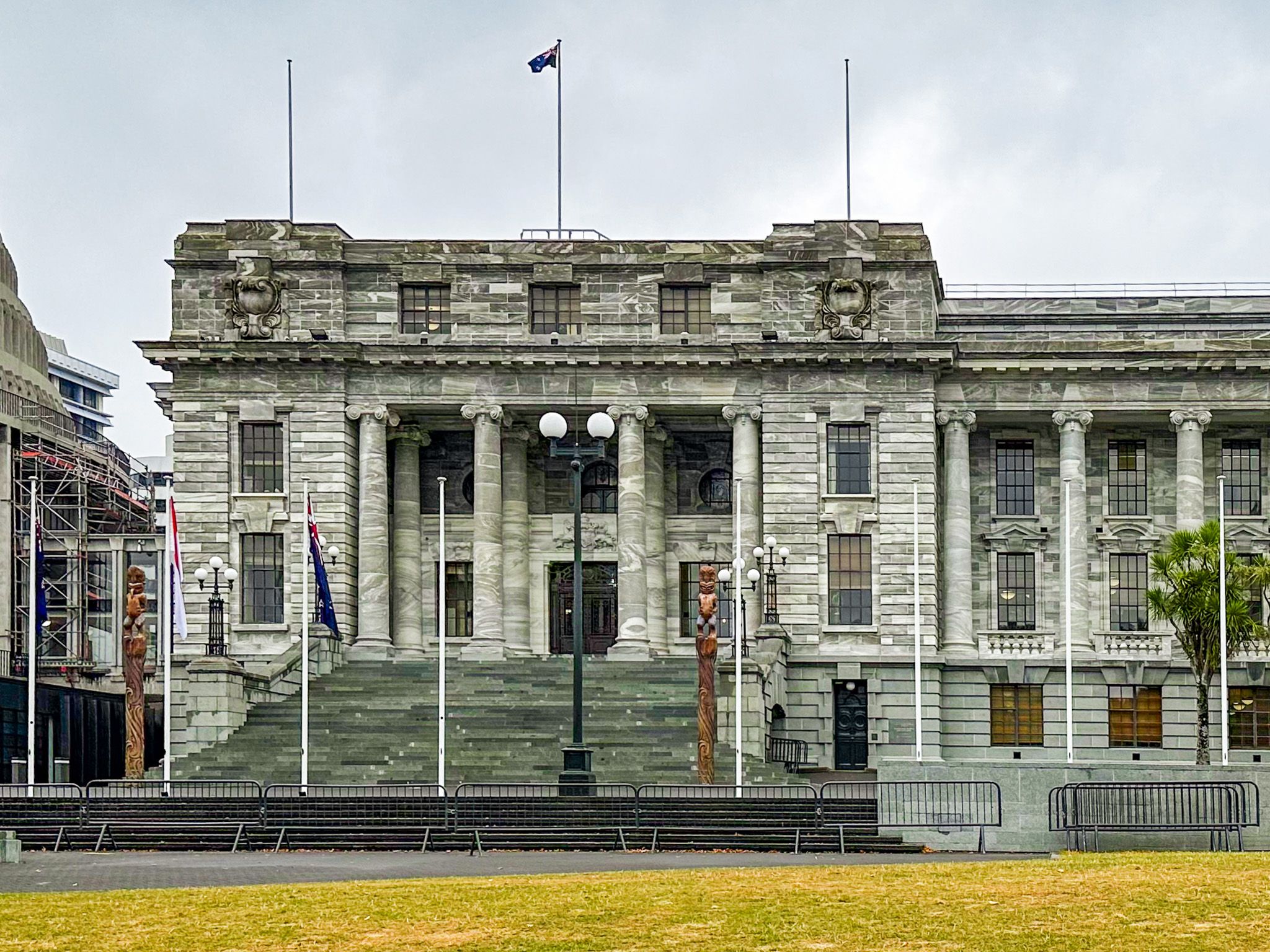
In the 1860s and 1870s, Parliament operated from the wooden Provincial Council Building. This was replaced in the 1880s by a Gothic Revival building, which was destroyed in the 1907 fire. Parliament temporarily moved to another building on the site of the current Beehive. A design competition led to the construction of the current Neoclassical Parliament House, designed by Government Architect John Campbell. Built during World War I, the building was completed in 1922, although MPs began using it in 1918.
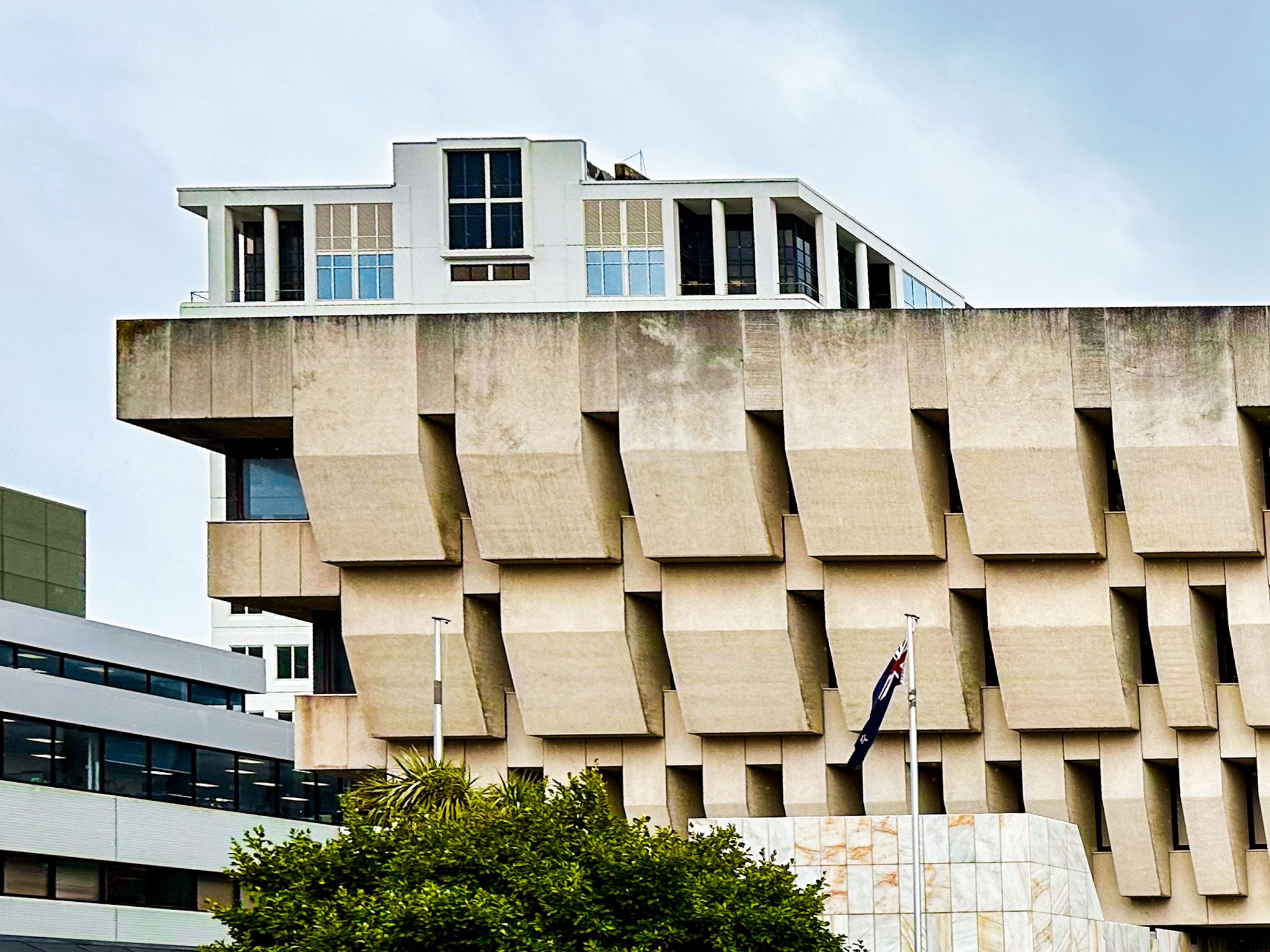
Nearby, the National Library was built in 1987, designed by the Ministry of Works, led by principal architect Gordon Moller. The building replaced earlier facilities and brought together national collections, including the Alexander Turnbull Library, Parliamentary Library resources, and the General Collection, under one roof. Architecturally, it is late-modernist, characterised by its monumental scale, geometric lines, and concrete and granite cladding to convey solidity and permanence. The design underscores the mission of caring for New Zealand’s documents and taonga.
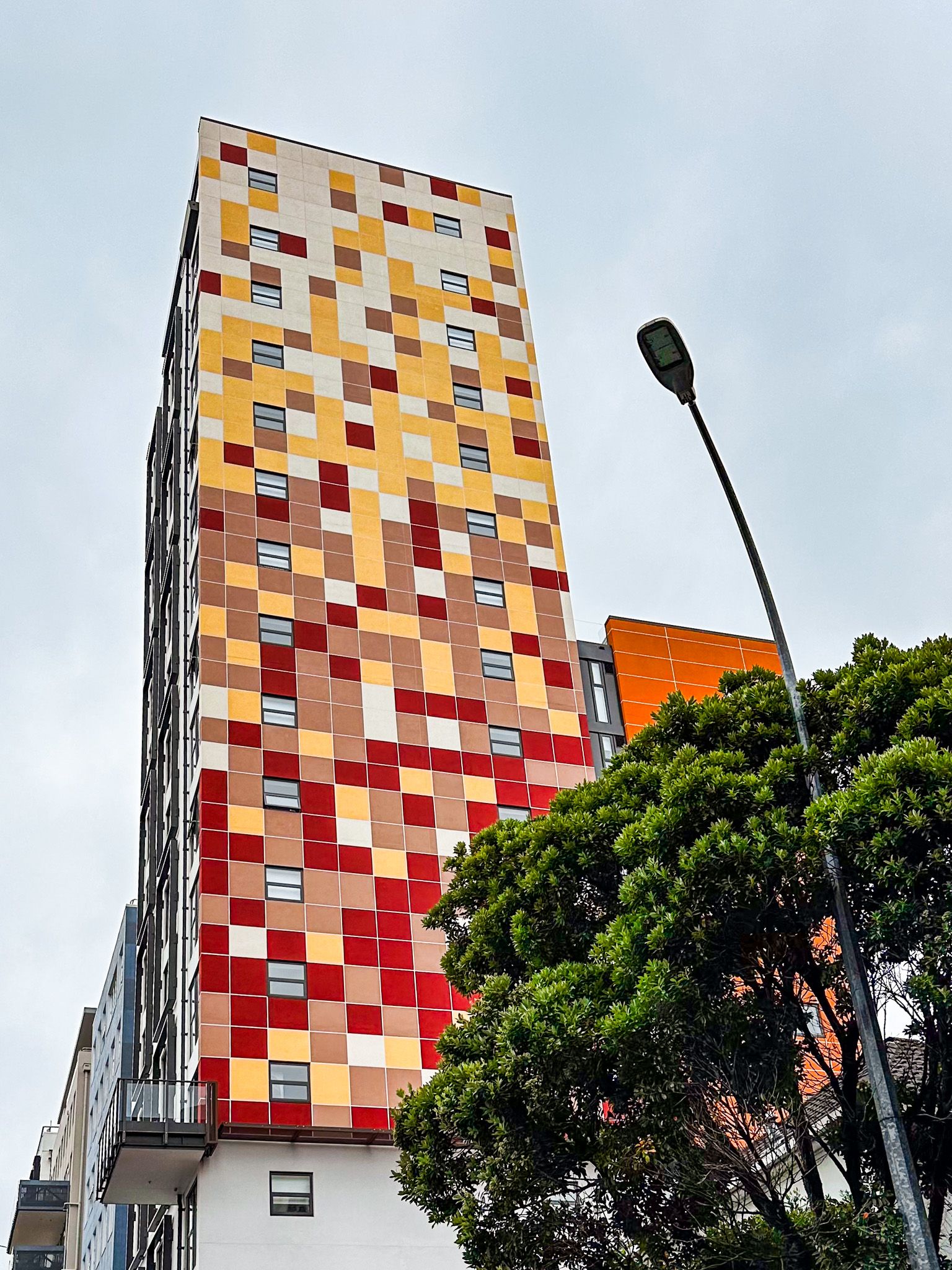
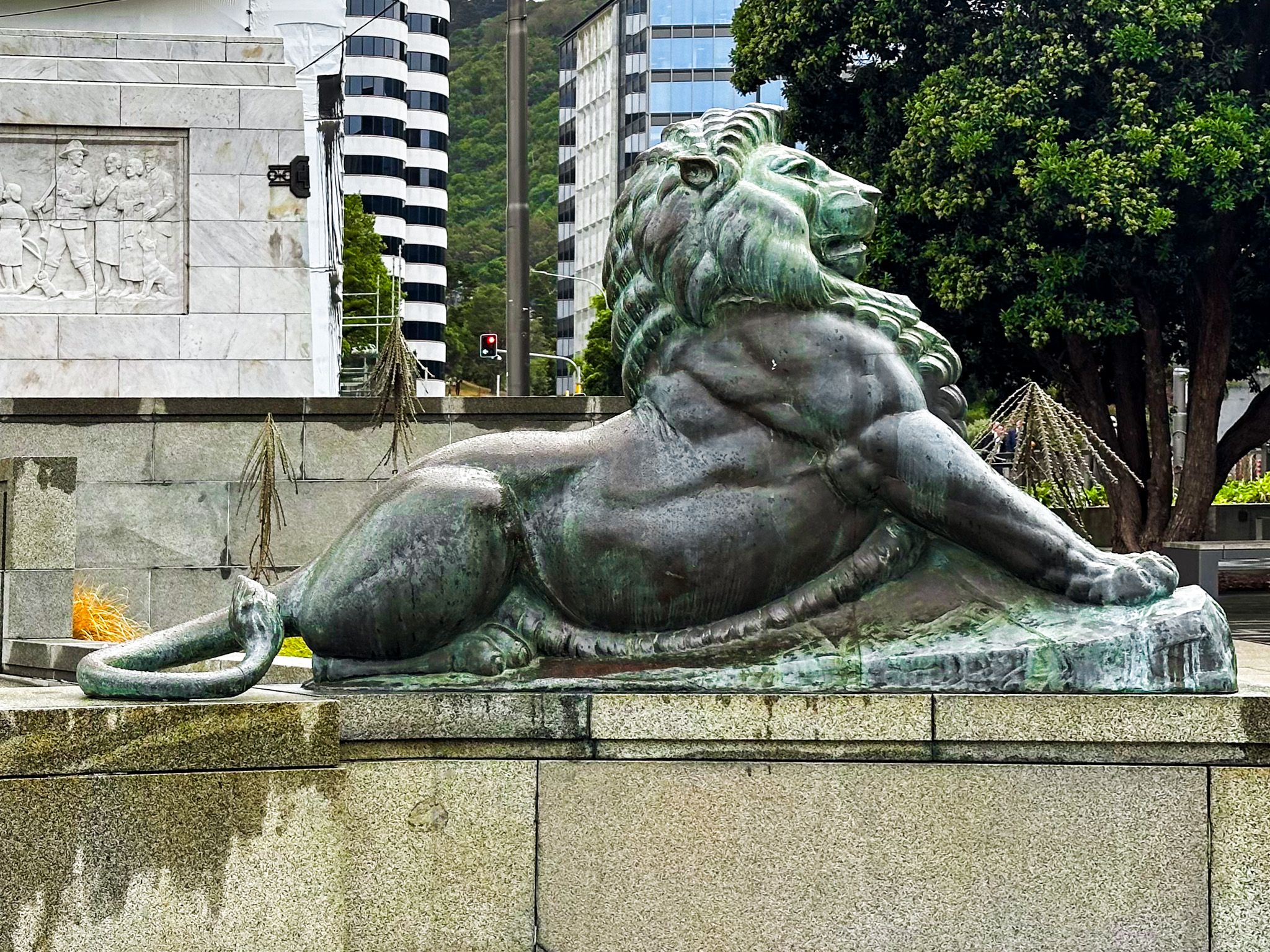
Across from Lampton Quay, you'll also find the Wellington Cenotaph, notable for its man on a horse monument and two prominent lions. Nearby is Bowen House, a colourful modern building from 1990 that accommodates parliamentary offices.
How to Get to the Parliament Precinct
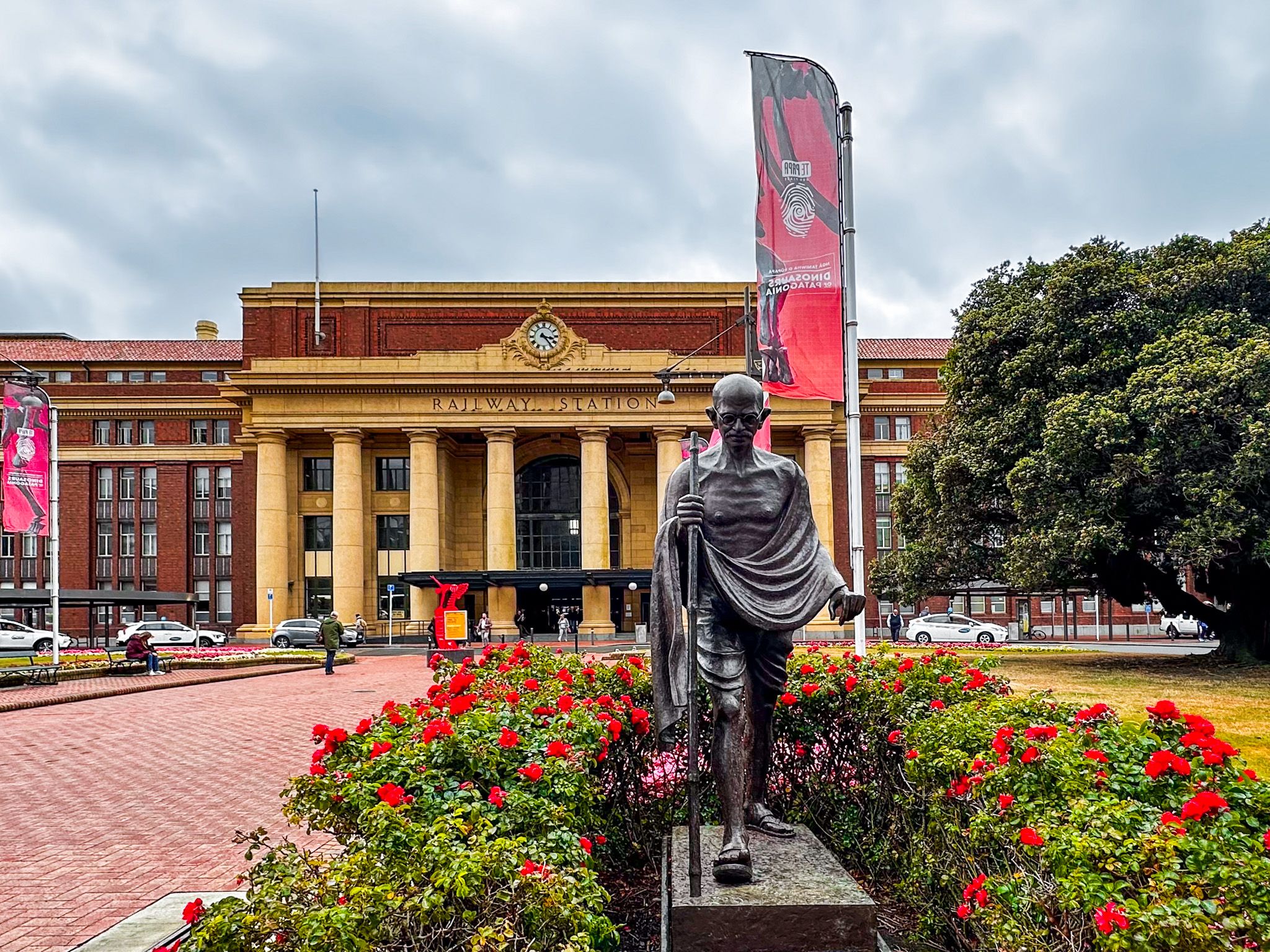
The precinct is easily accessible by public transport, with the Wellington Railway Station located at its southern boundary. From the station, you can walk to the Old Government Buildings, the Beehive, and other key landmarks from the south end of Molesworth Street.
Nearby, you can walk to the Botanic Gardens, Katherine Mansfield Memorial Park, Katherine Mansfield House and Garden and take the Harbour Walk to Te Papa and Oriental Bay.