Exploring Pigeon Bay
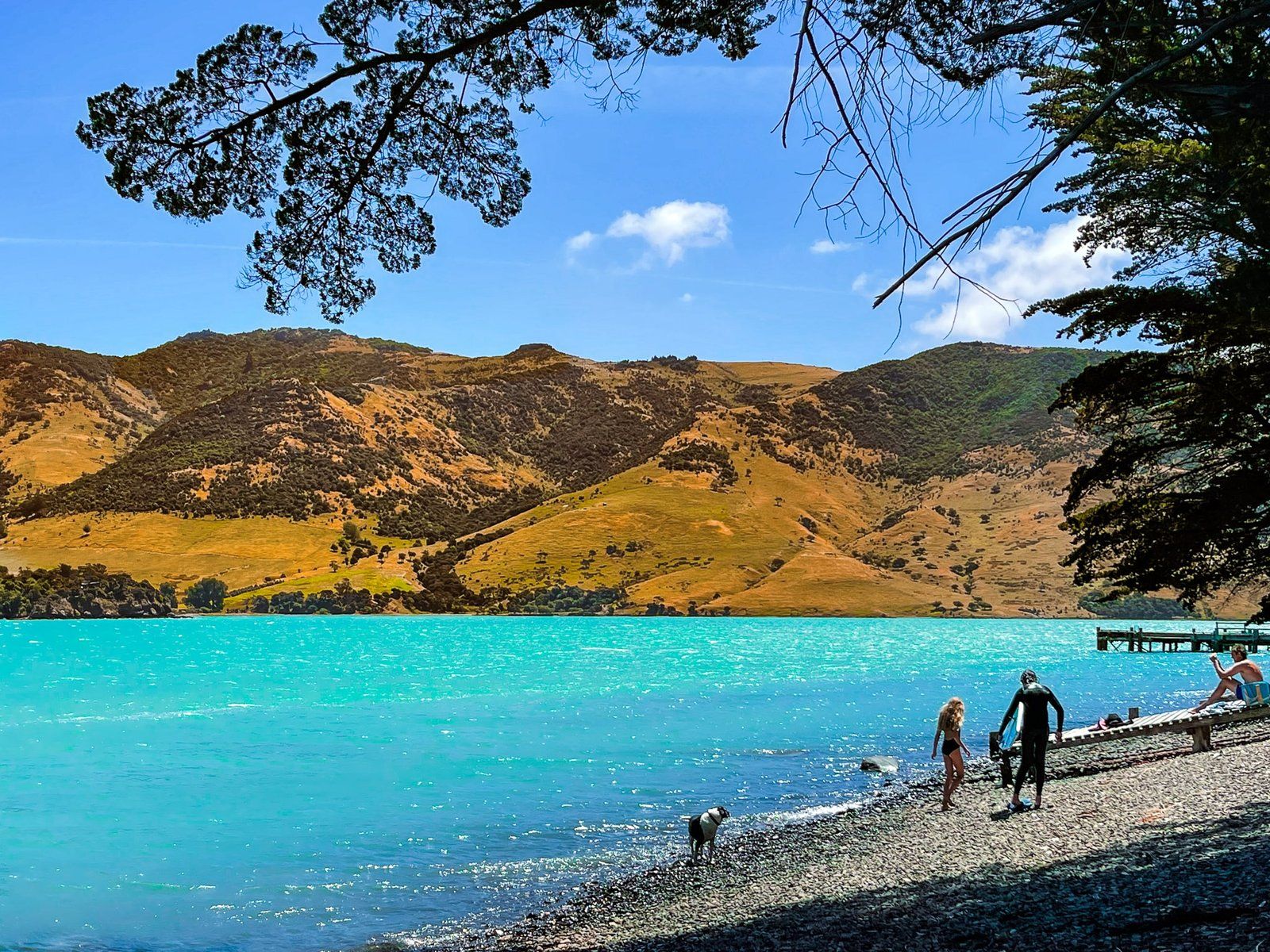
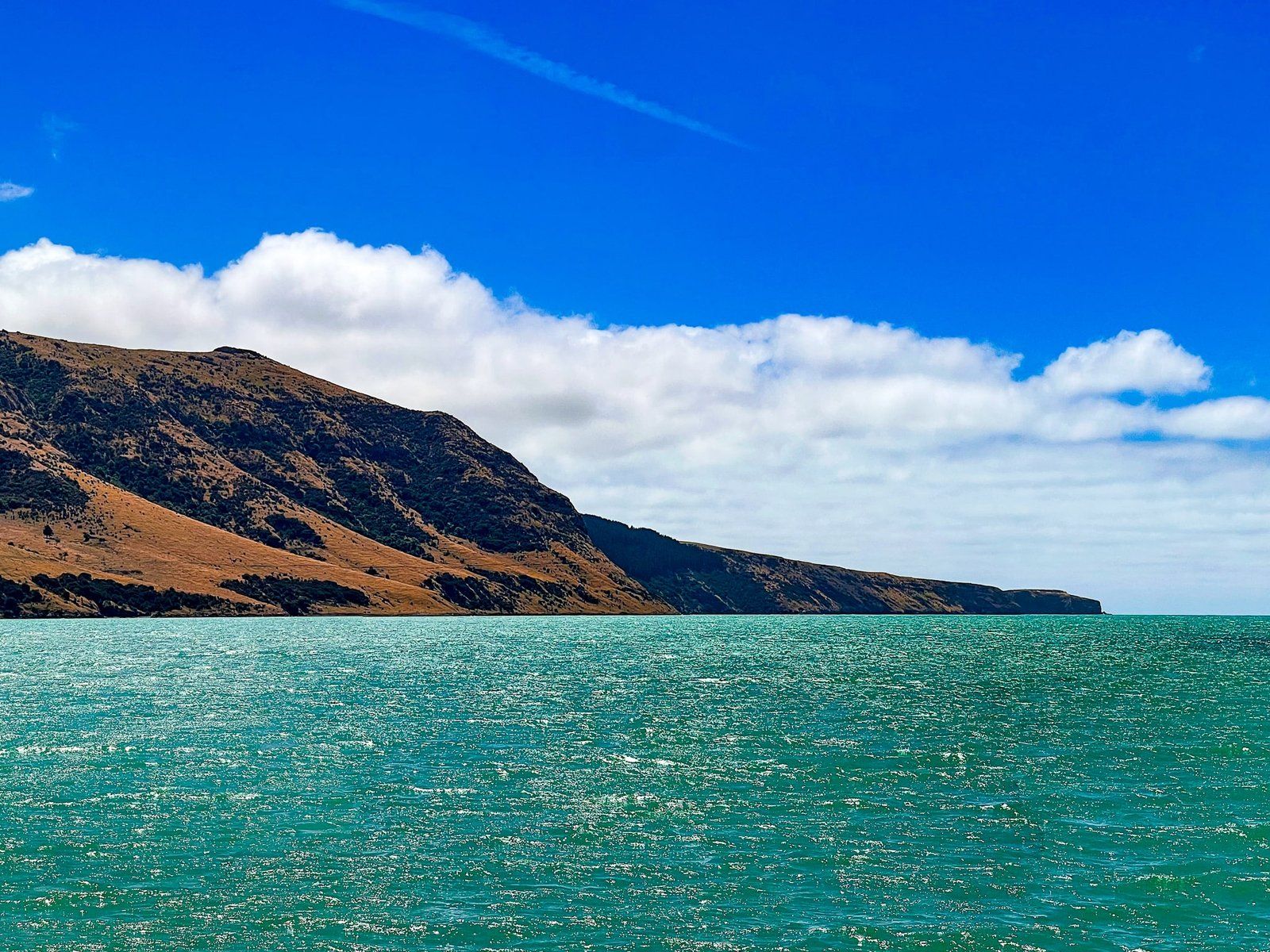
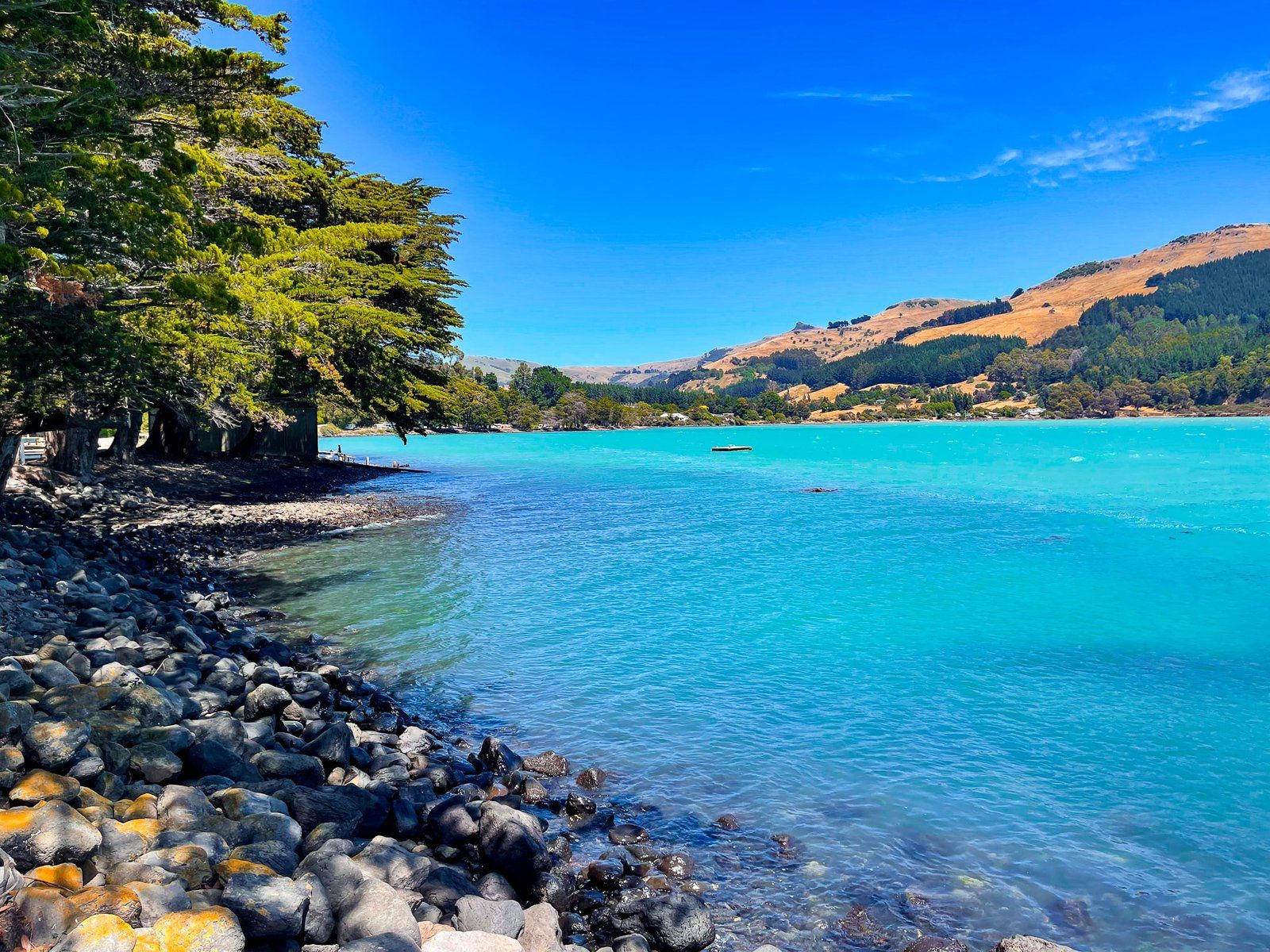
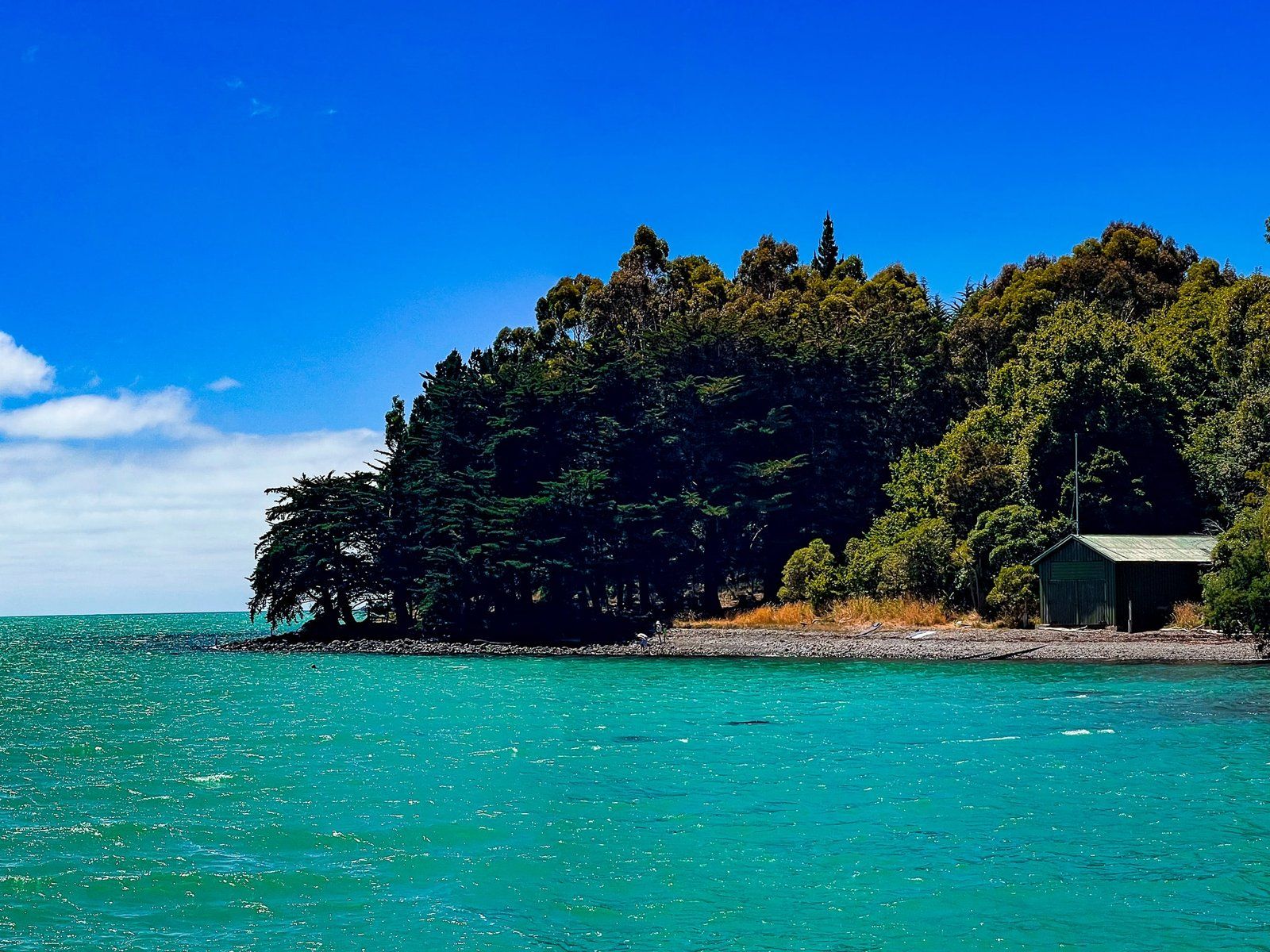
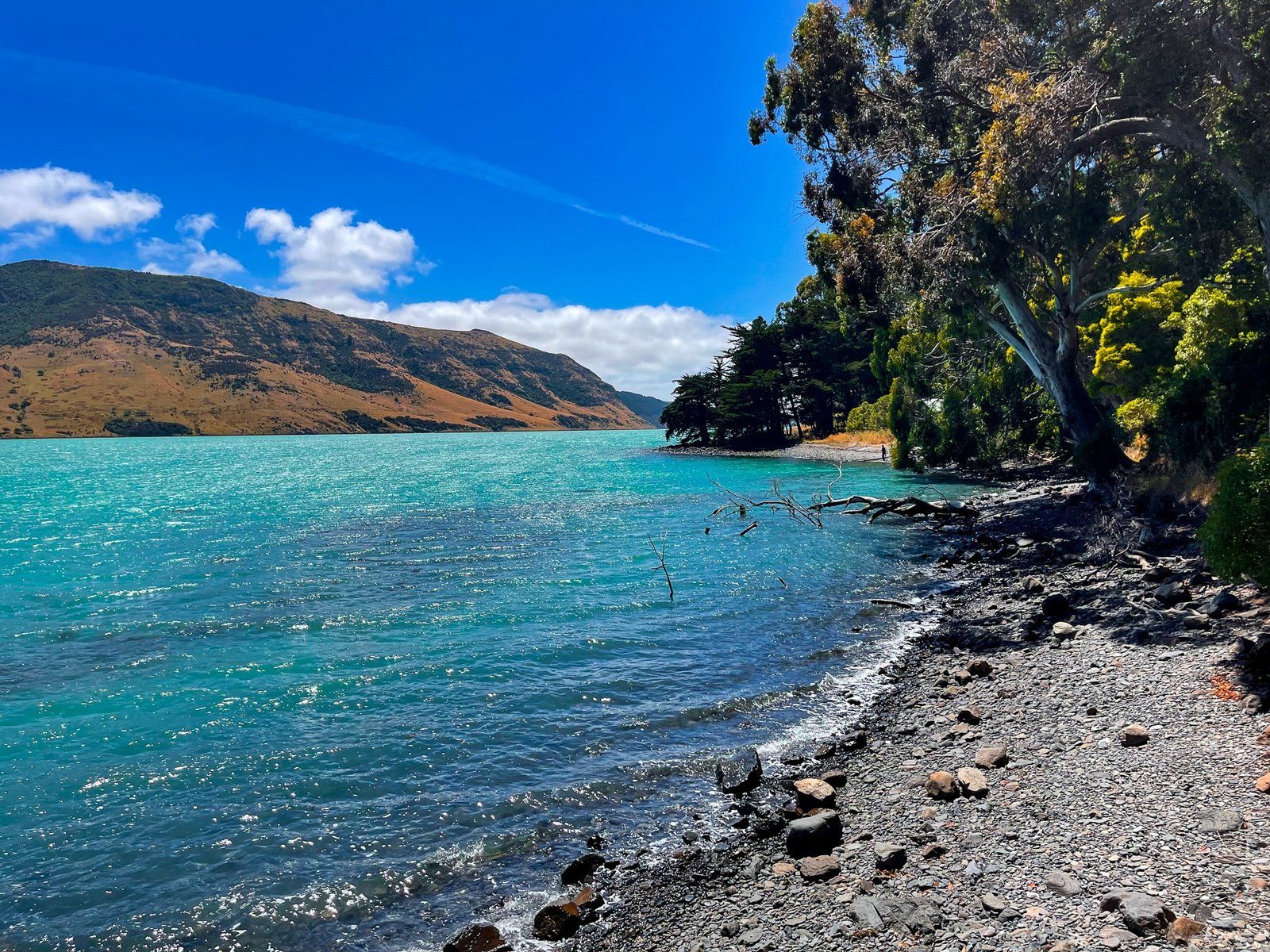
Pigeon Bay, located on Banks Peninsula, stretches approximately 9 km from Wakaroa Point to its beach, resembling a harbour more than a typical bay. Its unusual shape and history make it an interesting destination. Attractive Holmes Bay, a smaller bay, lies on the west side of the main bay.
A Rich History of Settlement and Wildlife
The bay was named by early whalers who were impressed by the large numbers of kererū, or native wood pigeons, in the surrounding forests. European settlers arrived in 1844, enduring challenging conditions as they hunted native birds and wild pigs, and engaged in basic cattle farming.
The arrival of the first four ships in Christchurch in 1850 spurred coastal services and modest community growth. Although the permanent population did not expand significantly, it was enough to clear the forests and reduce the kererū population. A memorial was erected after World War I to commemorate the area's war casualties and early history.
Activities and Attractions
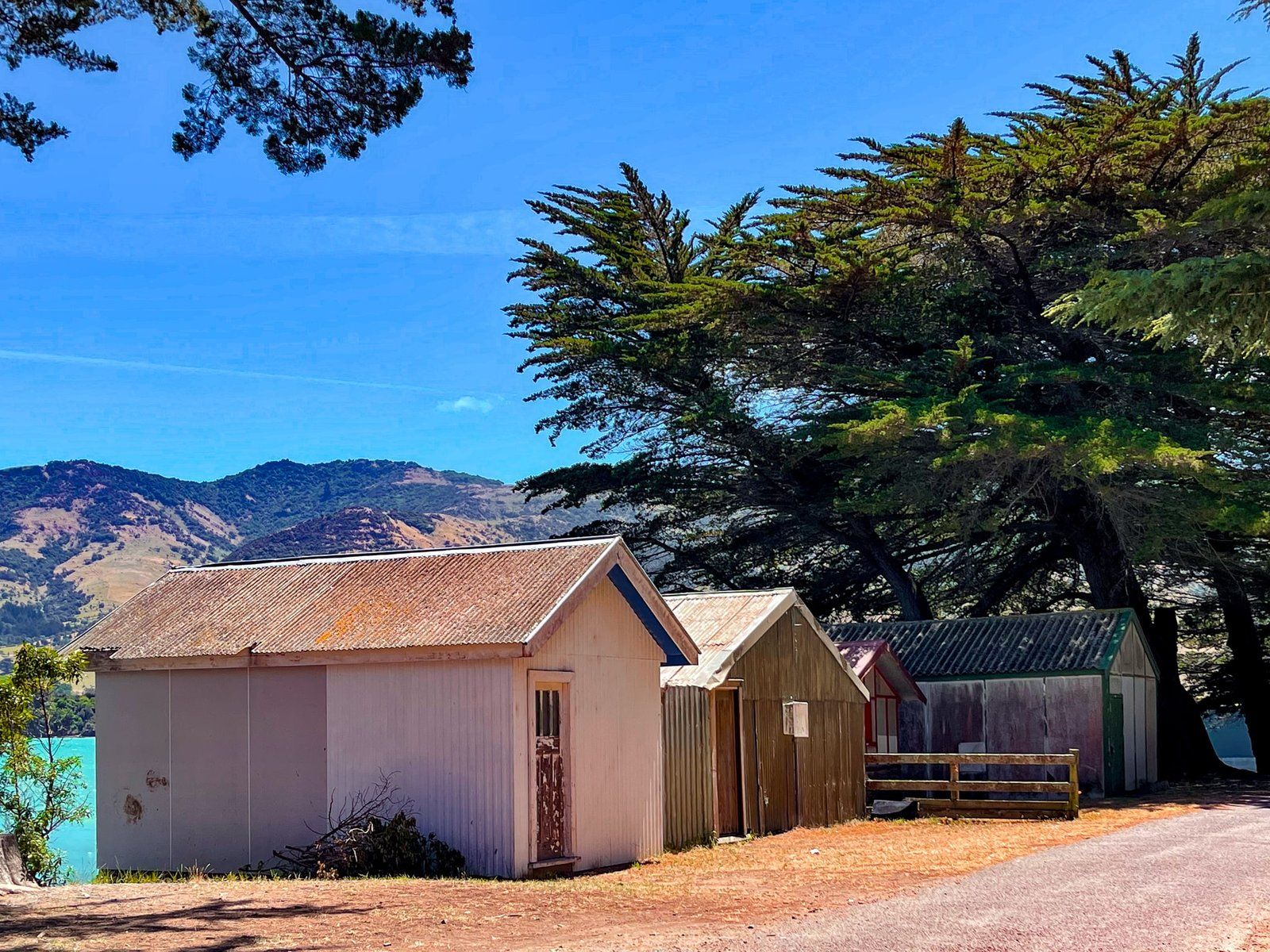
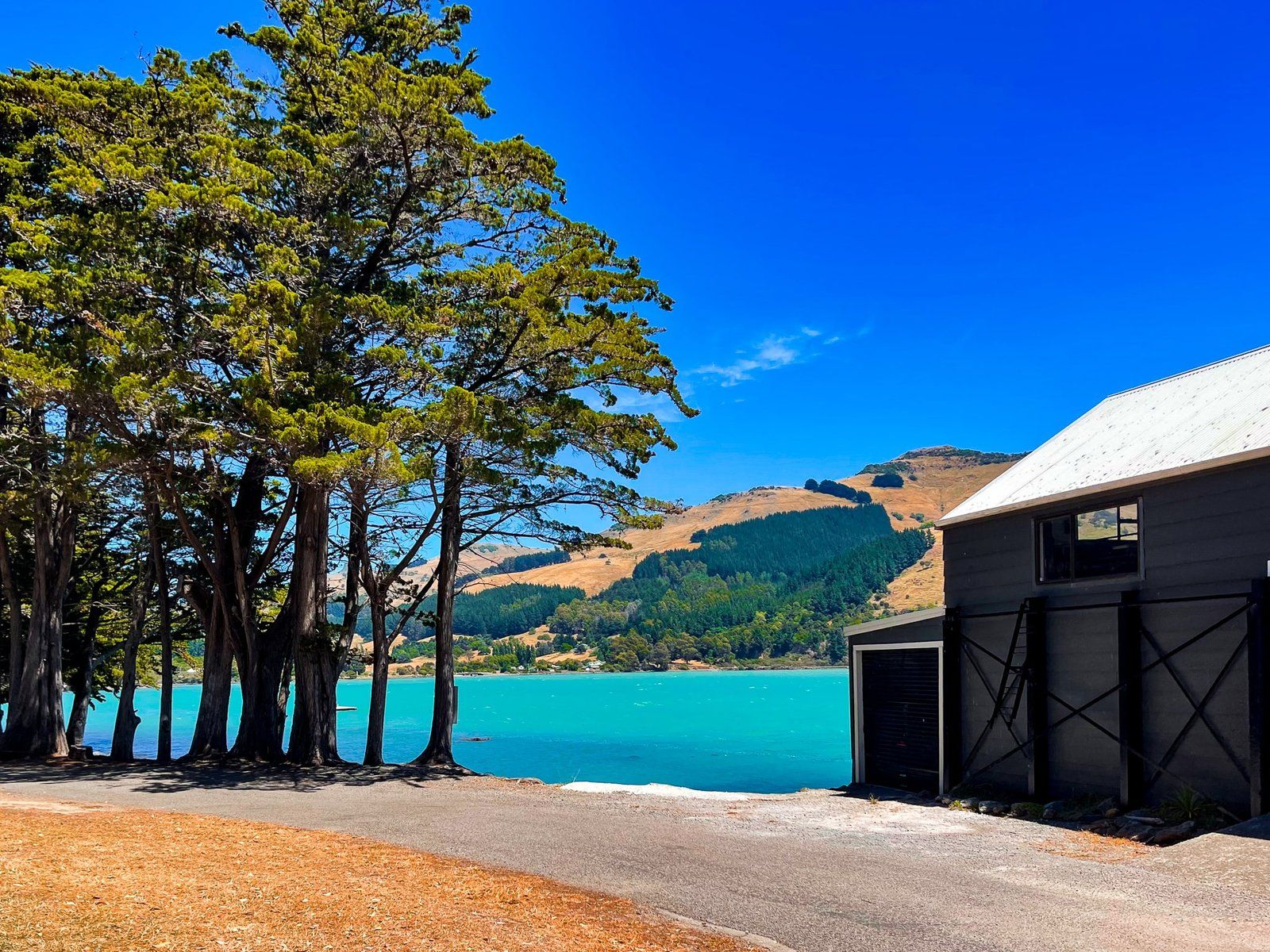
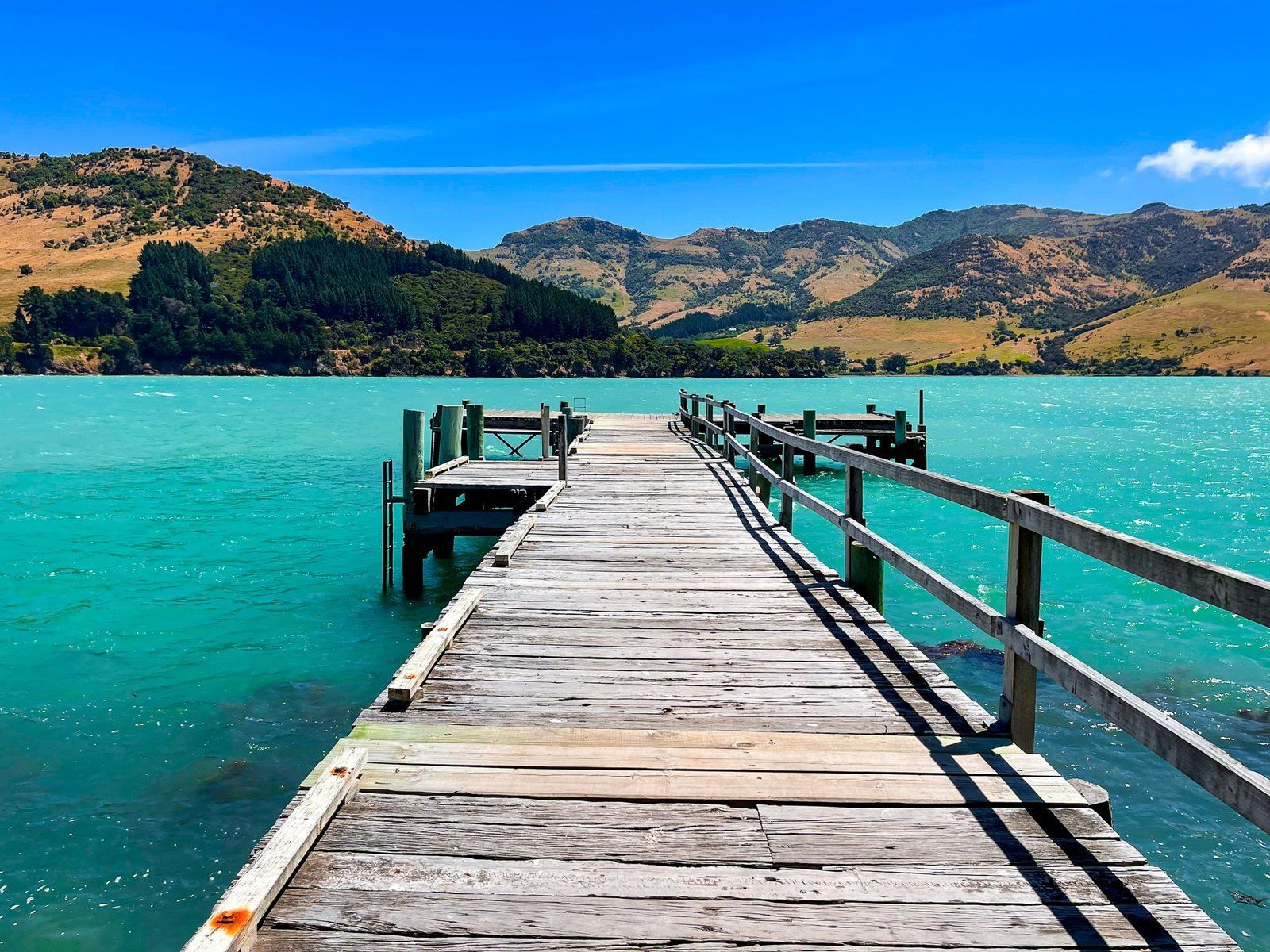
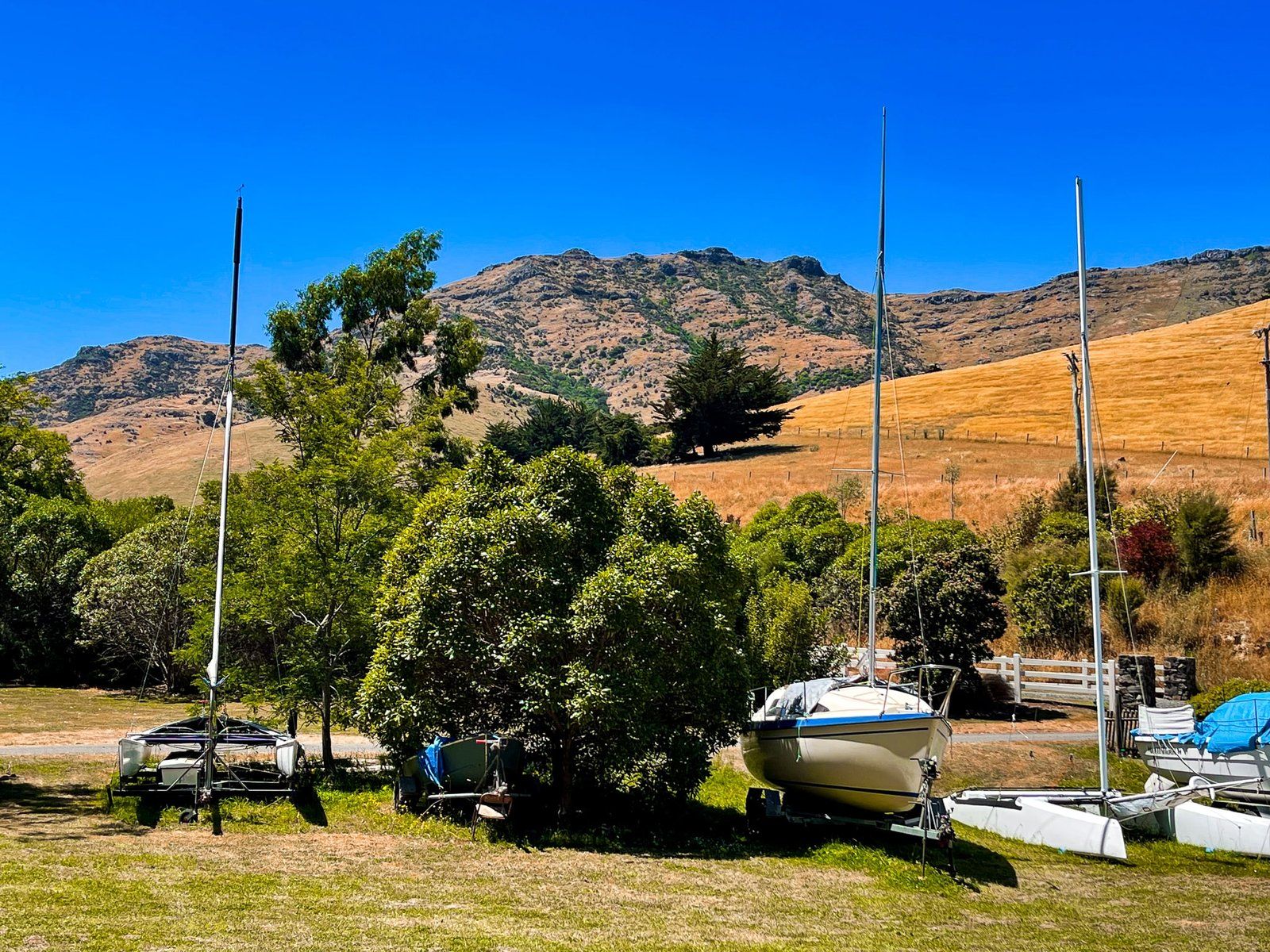
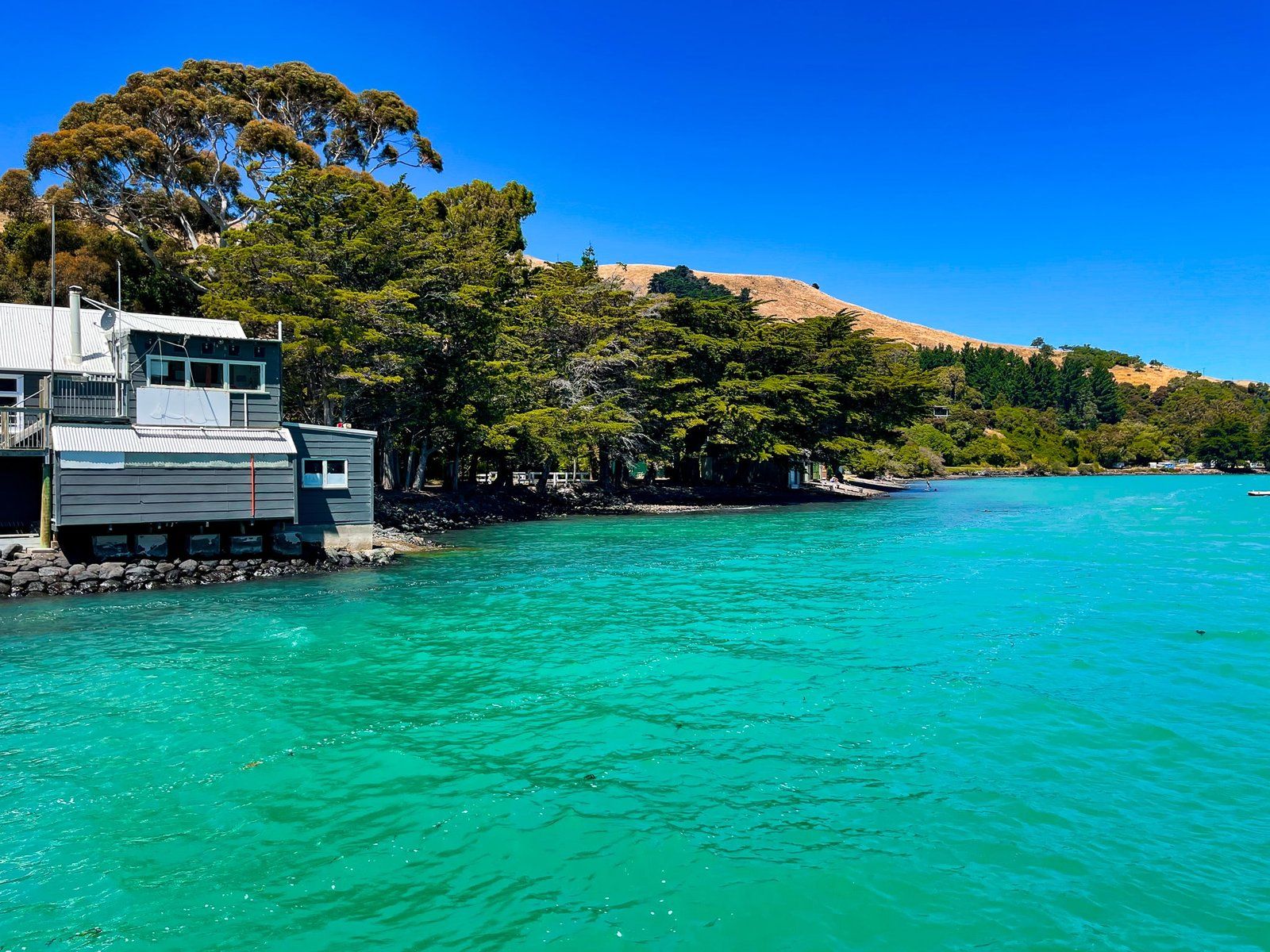
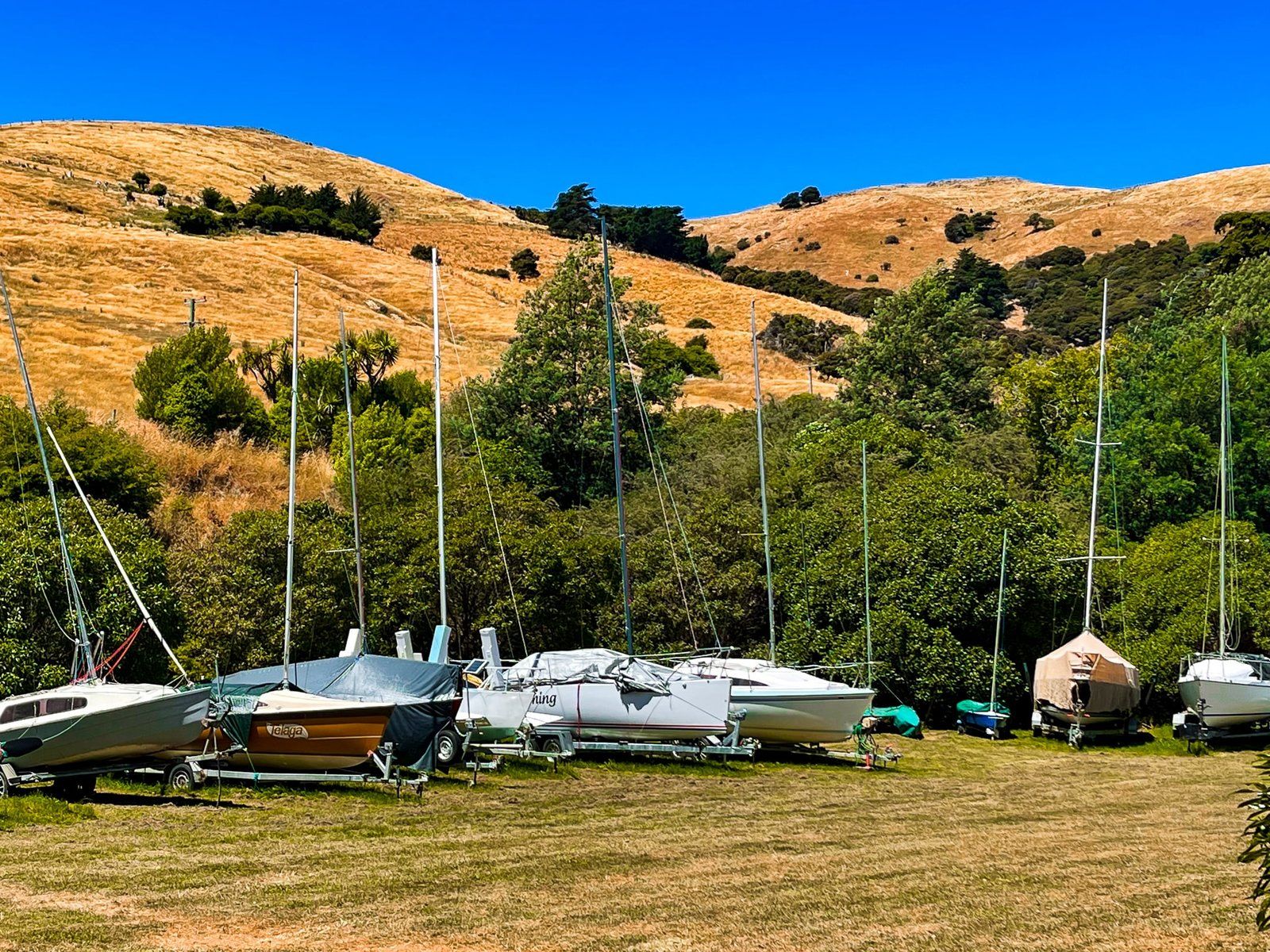
Pigeon Bay is particularly popular for boating activities. From the hamlet, you can take Wharf Road north to reach a campground, a wharf, boat sheds, and a boat park. This bay is a favourite for kayaking, while a walkway at the end of Wharf Road allows you to explore most of the bay's east side on foot. For a more strenuous hike, a trail leads up to 320 metres above the bay for stunning views.
Getting to Pigeon Bay
To reach Pigeon Bay from Christchurch, take State Highway 75 across Banks Peninsula to Hilltop. There, turn off onto Summit Road and follow this northeast to Pigeon Bay Road. Turn north and follow the road all the way to the bay, turning right on Wharf Road when you arrive. The drive will take 75 minutes and is 74 km. From Akaroa, it is 23 minutes and 17 km.
You can also get to Pigeon Bay via Port Levy Pigeon Bay Road, but this is not for the faint-hearted!
Other bays accessible on the north side of Banks Peninsula include Port Levy, Little Akaloa Bay, Okains Bay and Le Bons Bay.