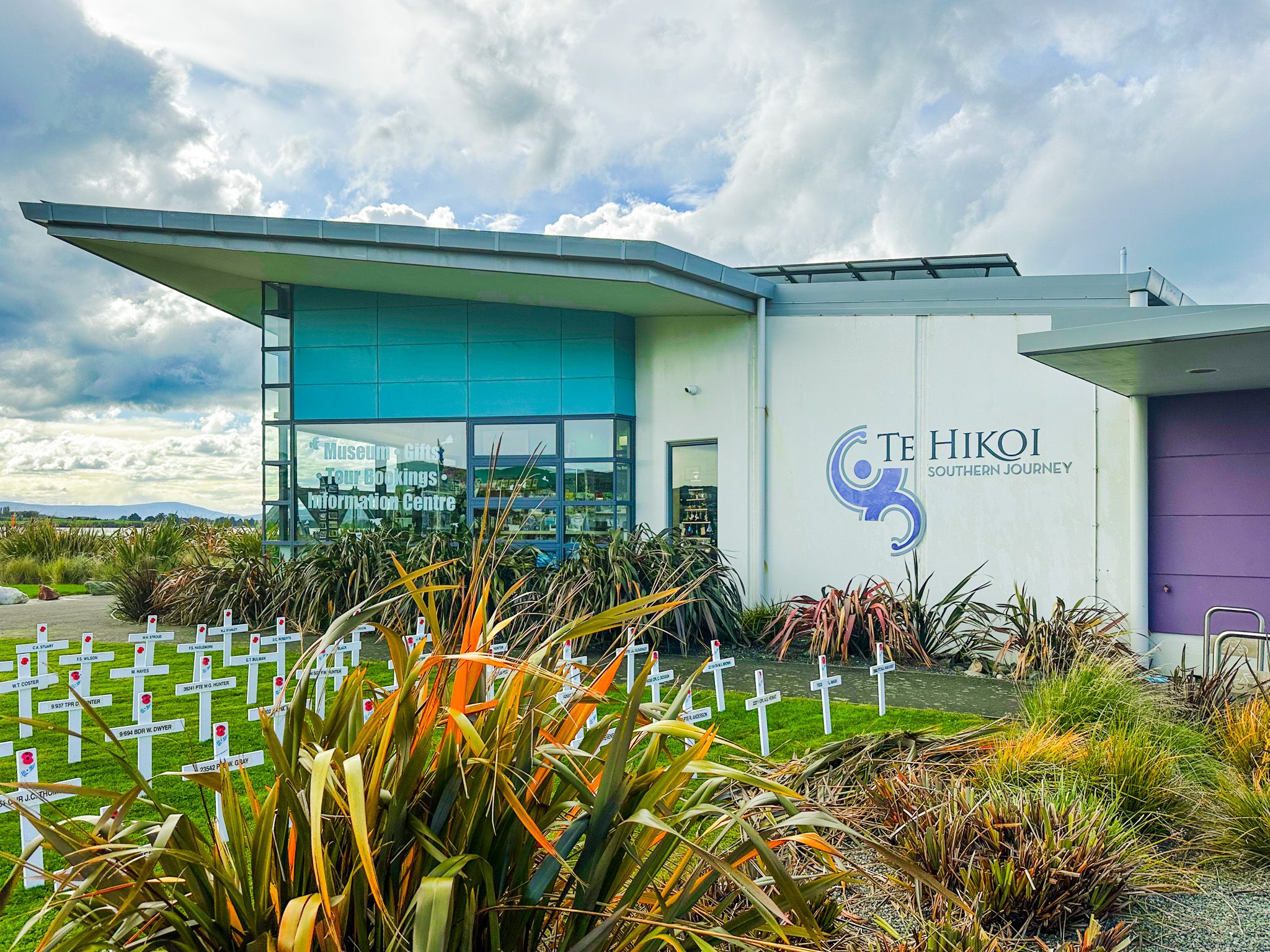
A Top Museum at the Bottom of New Zealand
Te Hikoi Southern Journey is at the north end of Palmerston Street (State Highway 99 / Scenic Southern Route) in central Riverton/Aparima, housed in a building that incorporates the former Riverton courthouse of 1883. It is managed by the Riverton Heritage Society and opens seven days a week. Te Hikoi is close to an idealised version of small-town museums. The reason is not the size of the collection but the quality of its storytelling, the story of early contact between Māori and Europeans, trading and intermarriage, that unfolded differently from the more familiar history of the North Island, dominated by missionary influence, the intense Musket Wars, followed by the New Zealand Wars and land confiscations.
The South Coast Story
The Foveaux Strait coast, from Aparima west through Bluff, across to Ruapuke Island, and south to Rakiura / Stewart Island, was one of the most significant zones of early Māori and European contact in New Zealand. What happened here during early contact was not the missionary-shaped, gun-trading dynamic of the North Island. It was more akin to a commercial and cultural exchange between Ngāi Tahu, who held the resources of the strait, seals, whales, flax, pounamu, and the sealers, whalers and traders who needed access and local goodwill to survive. The result was a frontier culture of intermarriage and interdependence.
The story begins with the sealers. James Caddell arrived at Stewart Island in 1810 as a sixteen-year-old aboard the Sydney Cove. When the boat party landed, five of his crewmates were killed by local Māori led by the chief Honekai. Caddell was saved by Honekai's niece Tokitoki, who threw her cloak over him, the traditional gesture of claiming a life. He married Tokitoki, received a full facial moko, became a fluent Māori speaker and in time acquired the status of rangatira. Flax trader Captain Edwardson put into Bluff Harbour in 1822 and was startled to find a tattooed European among the local Māori, who then served as his pilot and interpreter. In 1823, Caddell and Tokitoki sailed to Sydney, where their appearance in Māori dress drew considerable public attention. Caddell is regarded as the first Pākehā Māori.
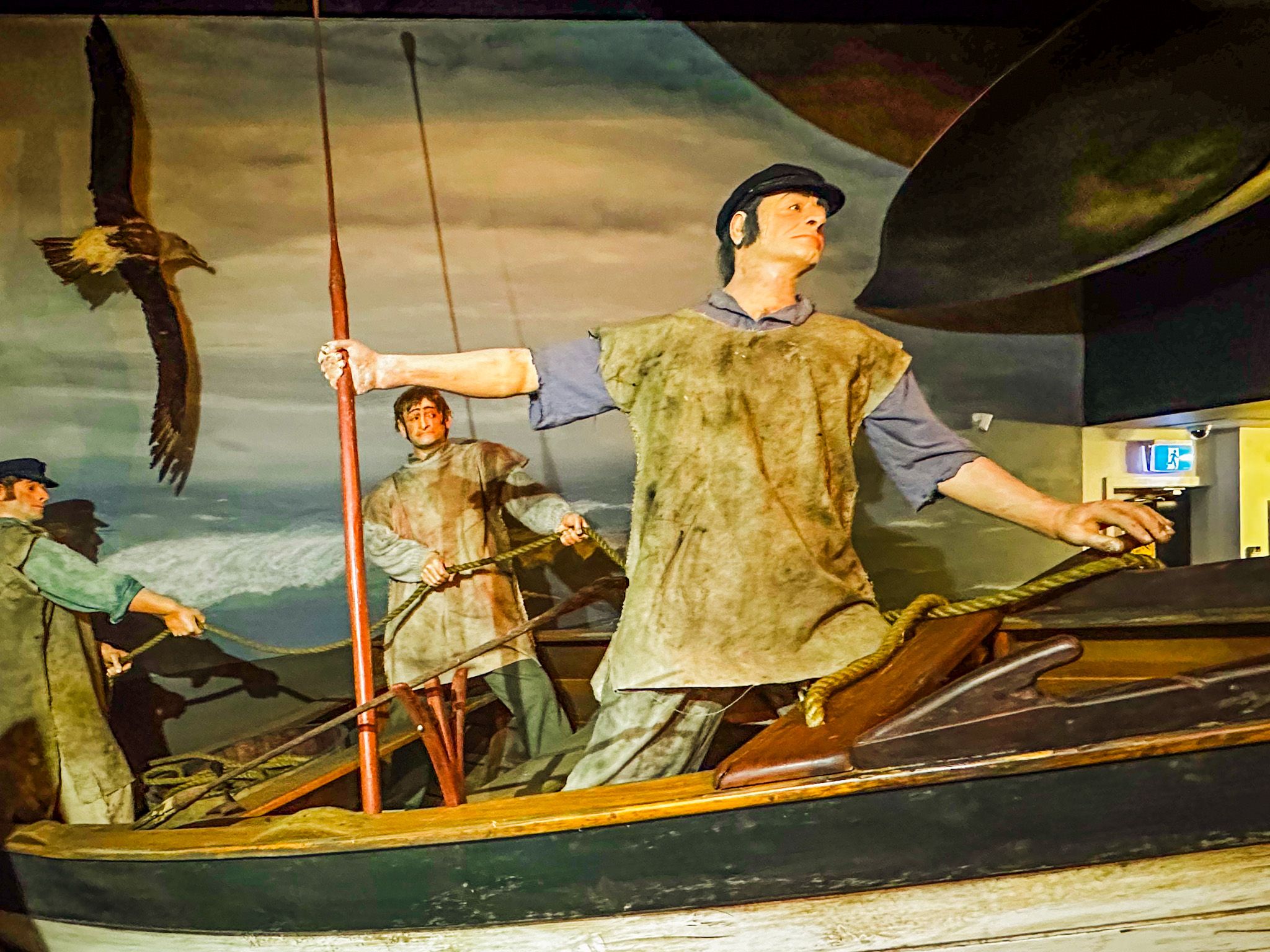
The whalers who followed the sealers brought a similar pattern. Shore-based whaling stations required local cooperation. Intermarriage strengthened those bonds and created the mixed communities that characterised the Foveaux Strait coast through the 1830s and 1840s. John Howell established a whaling station at the Ngāi Tahu village of Aparima around 1836 and built the first European house there for his wife Kohikohi, the daughter of the Centre Island chief Horomona Pātu. Their home, Te Whare Kohikohi, still stands on Napier Street in Riverton, protected by Heritage New Zealand.
Tūhawaiki, known as Bloody Jack, was a paramount chief of Ngāi Tahu, operating from Ruapuke Island during this period. The name reflected a predilection for the red coats worn by British soldiers, or his adoption of the swear word “bloody”, or perhaps both. Jacks Bay and Jacks Blowhole in the Catlins are named for him. He made regular trading voyages to Sydney and used his commercial acumen to arm his people and drive off the attempt by Te Rauparaha to invade the South Island, south of Marlborough, in the 1830s. Tūhawaiki and his compatriots were commercially sophisticated leaders who understood exactly what the European presence meant and engaged with it on their own terms.
The price of that engagement was eventually paid in disease. Measles arrived on the south coast in waves through the late 1830s and 1840s, killing large numbers of Māori who had no immunity. Communities that had recently established a stable, mutually beneficial relationship with European arrivals were devastated within a generation. On the coast between Dunedin and the Catlins, the name Measly Beach recalls the most well-known impact of measles.
The Introductory Film
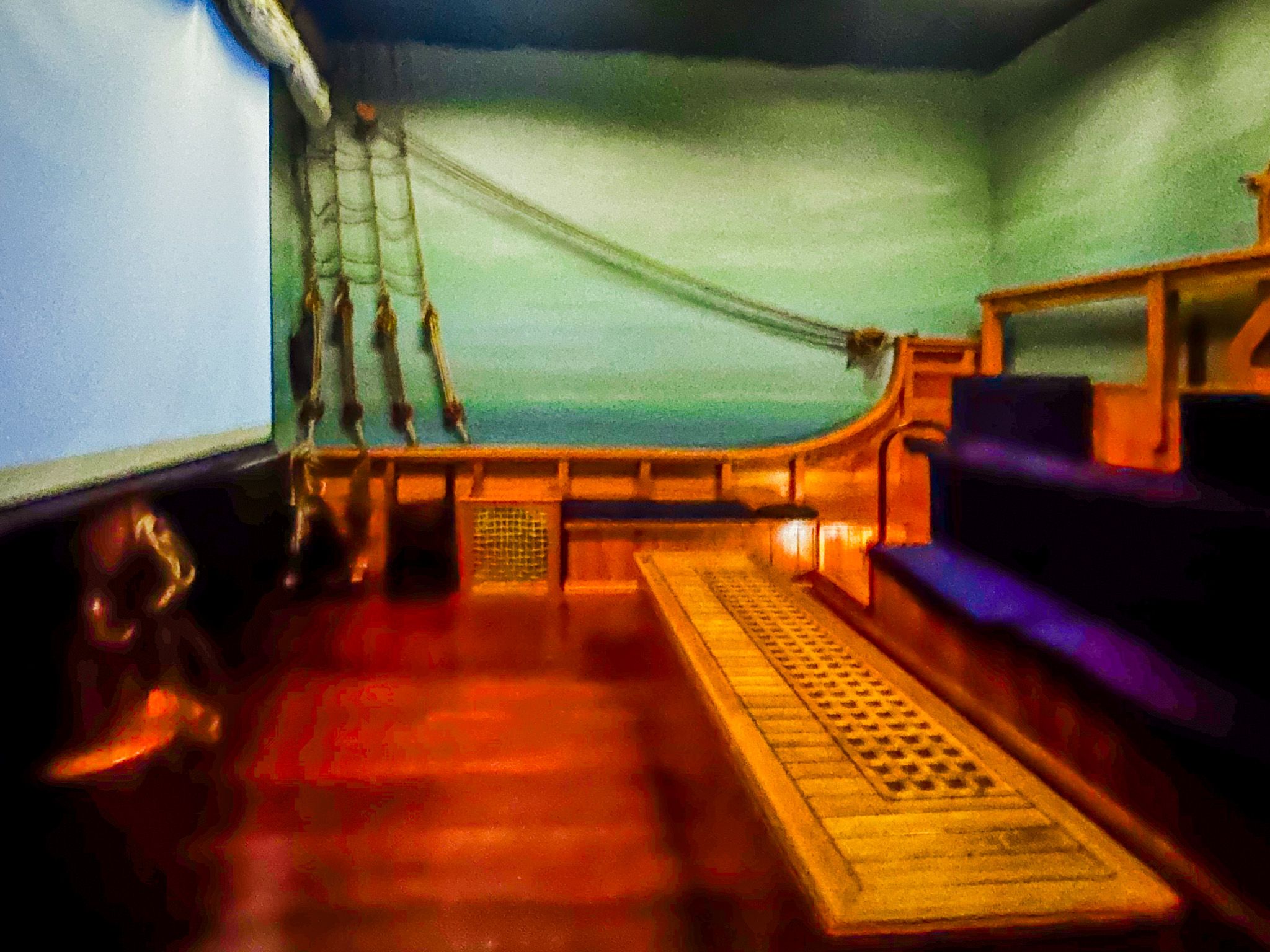
A visit to Te Hikoi begins in the museum's small theatre, designed to resemble the interior of a sailing ship. The highly recommended 15-minute film draws on the real experiences of people who lived on this coast. A central narrative follows a Pākehā sealer and his Māori wife stranded on the Solander Islands, about 50 km south of Fiordland. It’s a story of survival and interdependence at the edge of the world.
The Exhibitions
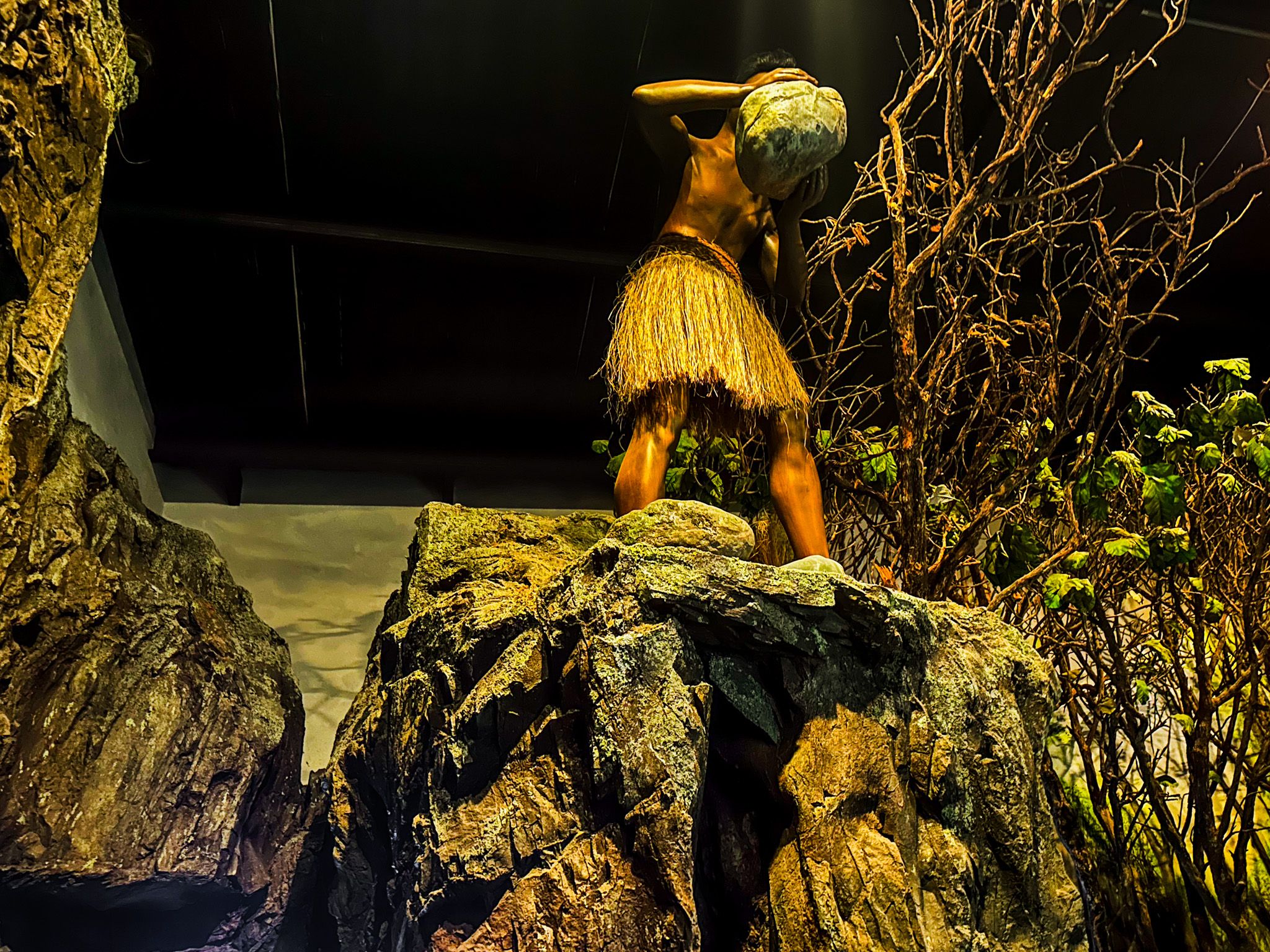
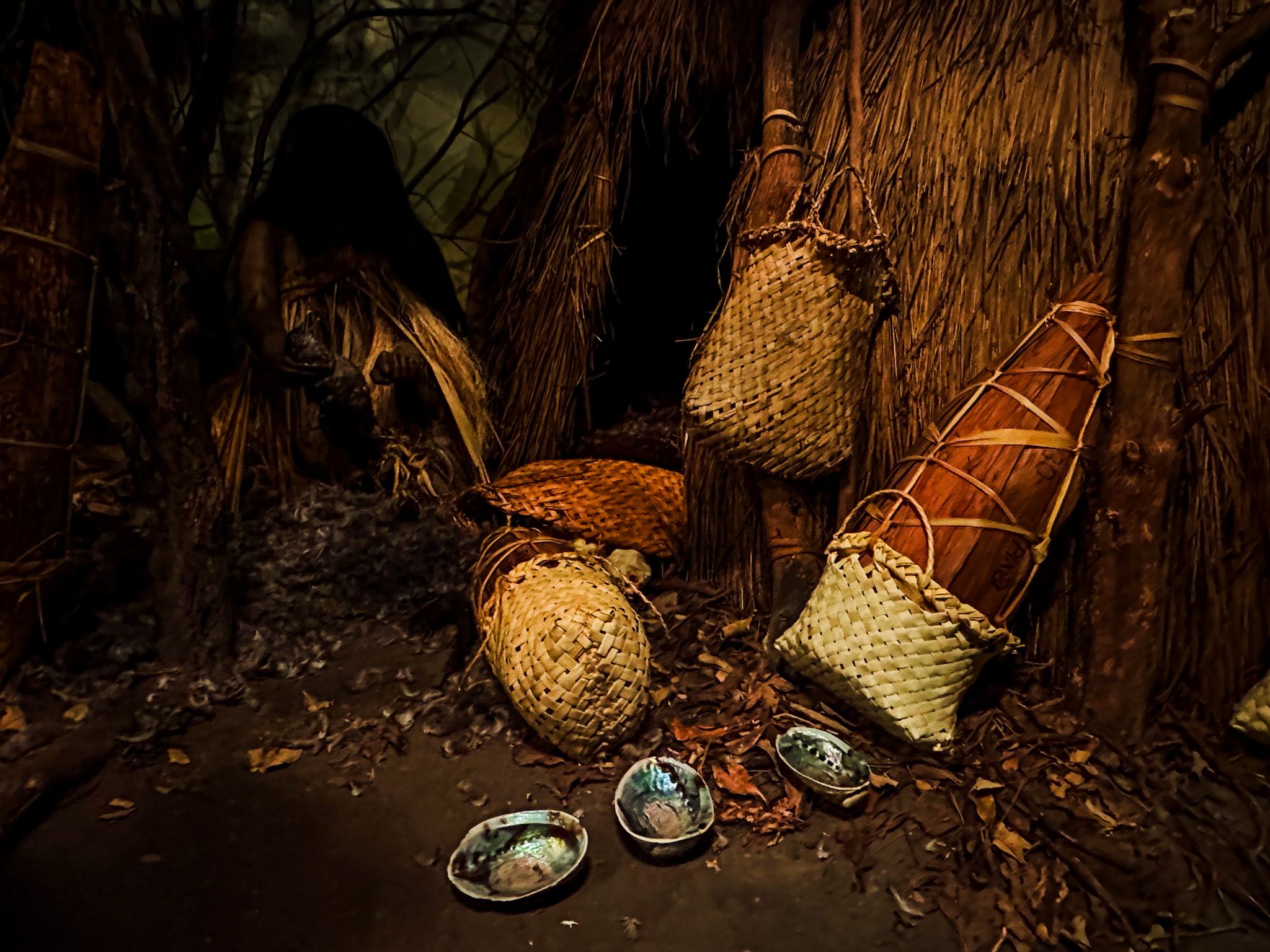
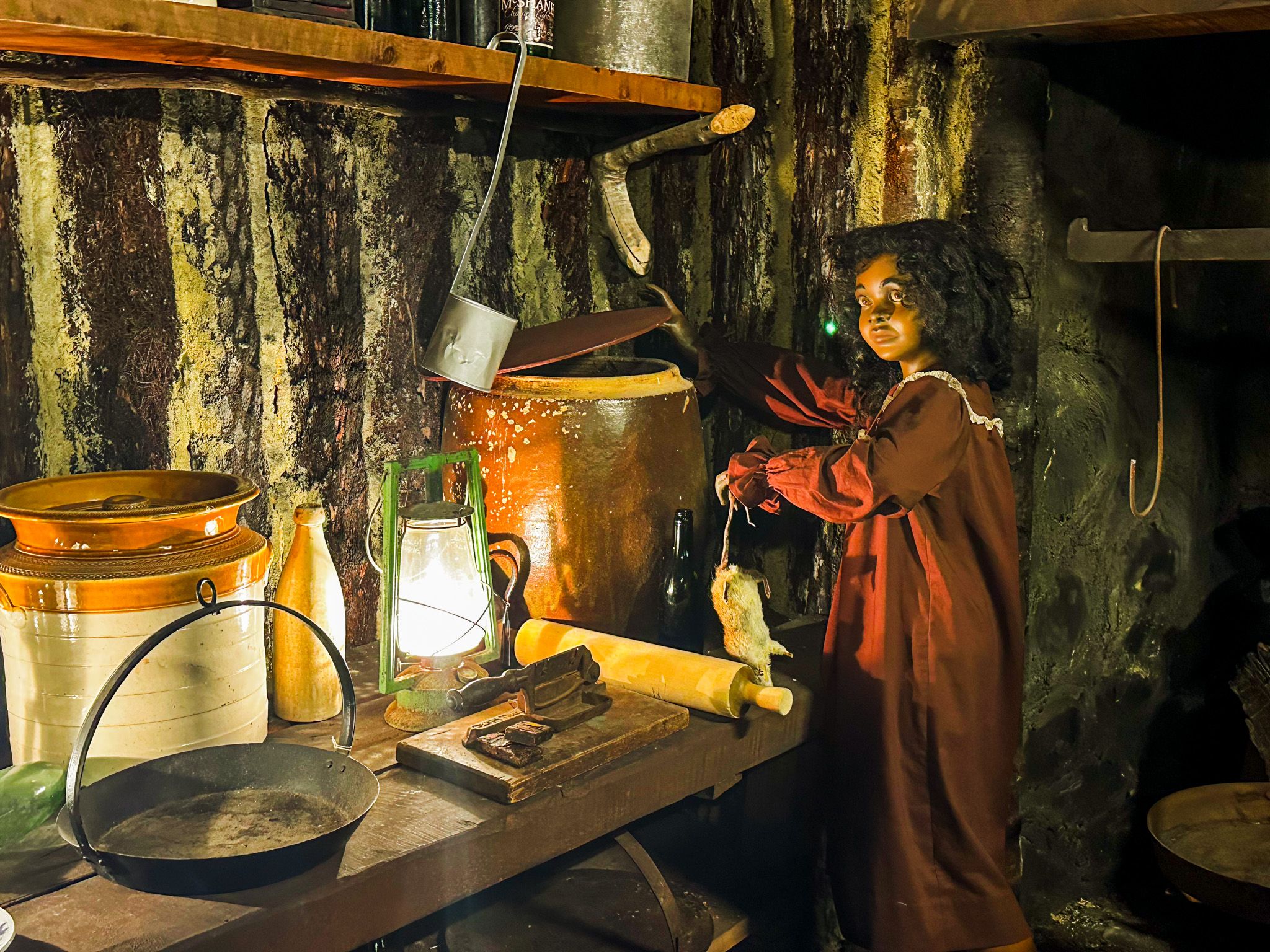
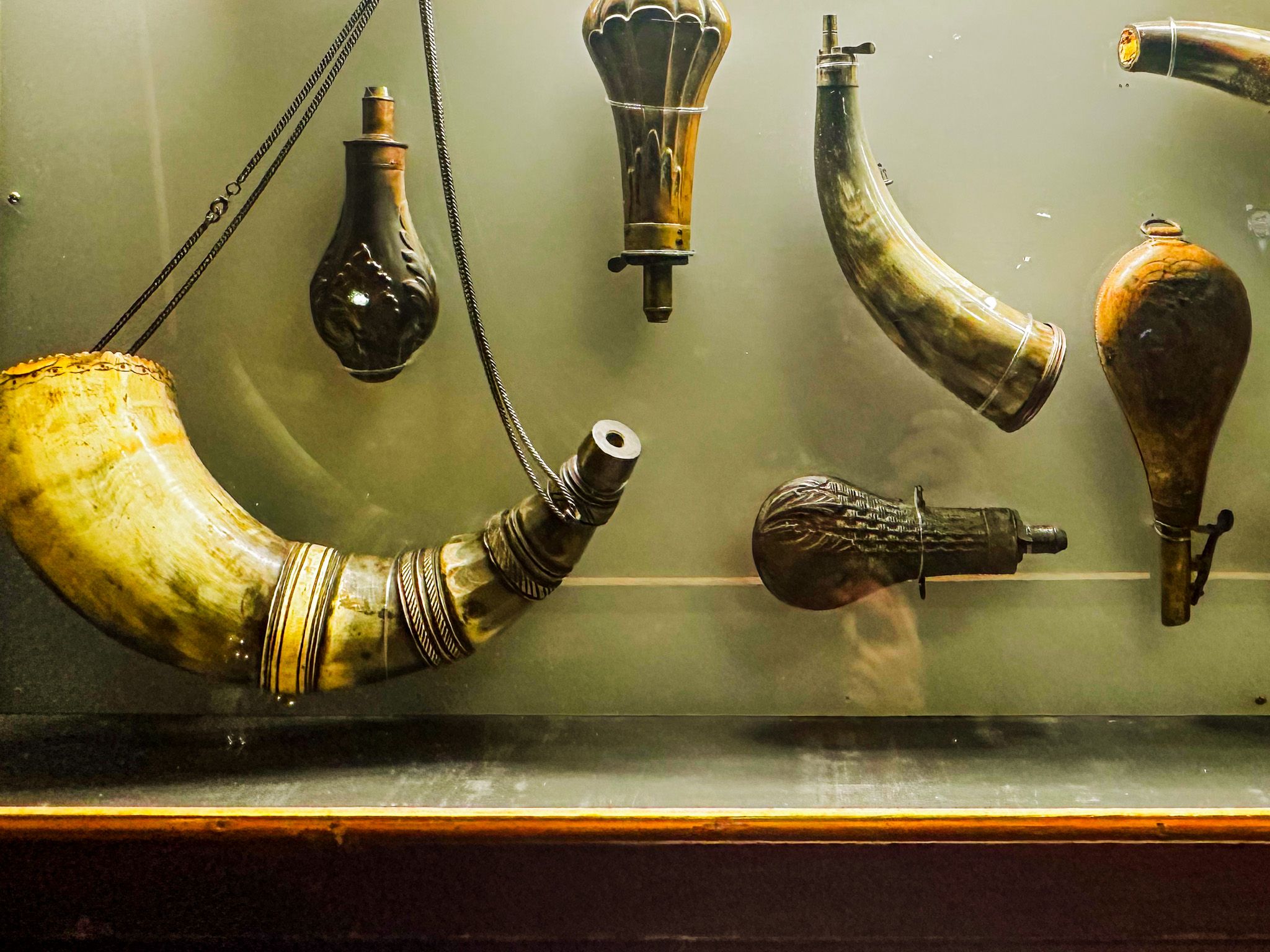
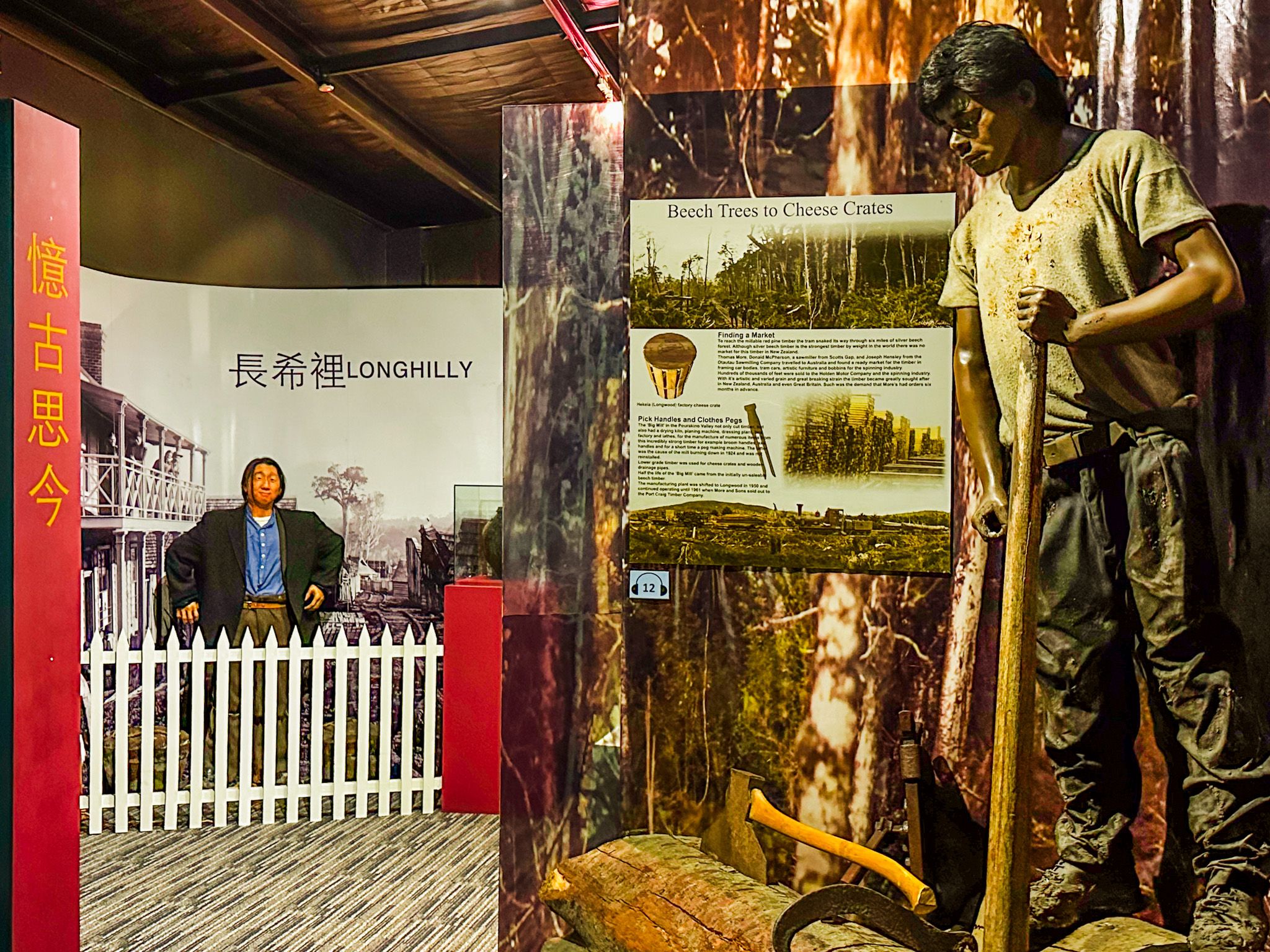
The life-size dioramas are the centrepiece of the main gallery, with full-scale environments, figures and props that depict particular moments in the region's history. Māori tool-making and food harvesting at the estuary edge, a whaling station at work, the domestic life of early European settlers, the logging of the Southland forest and development of pastoral farming, and Chinese goldminers at Round Hill all feature. A dedicated display covers the muttonbird (tītī) harvest, a practice still central to Ngāi Tahu life on the southern islands.
The WWI exhibit is one of the most affecting displays in the museum. Created by local volunteer Dave Asher and his team, it places visitors inside a World War One trench and tells the story of how the war affected small communities like Riverton / Aparima. It includes photographs, letters, personal objects, and a real poppy brought back from Flanders Field.
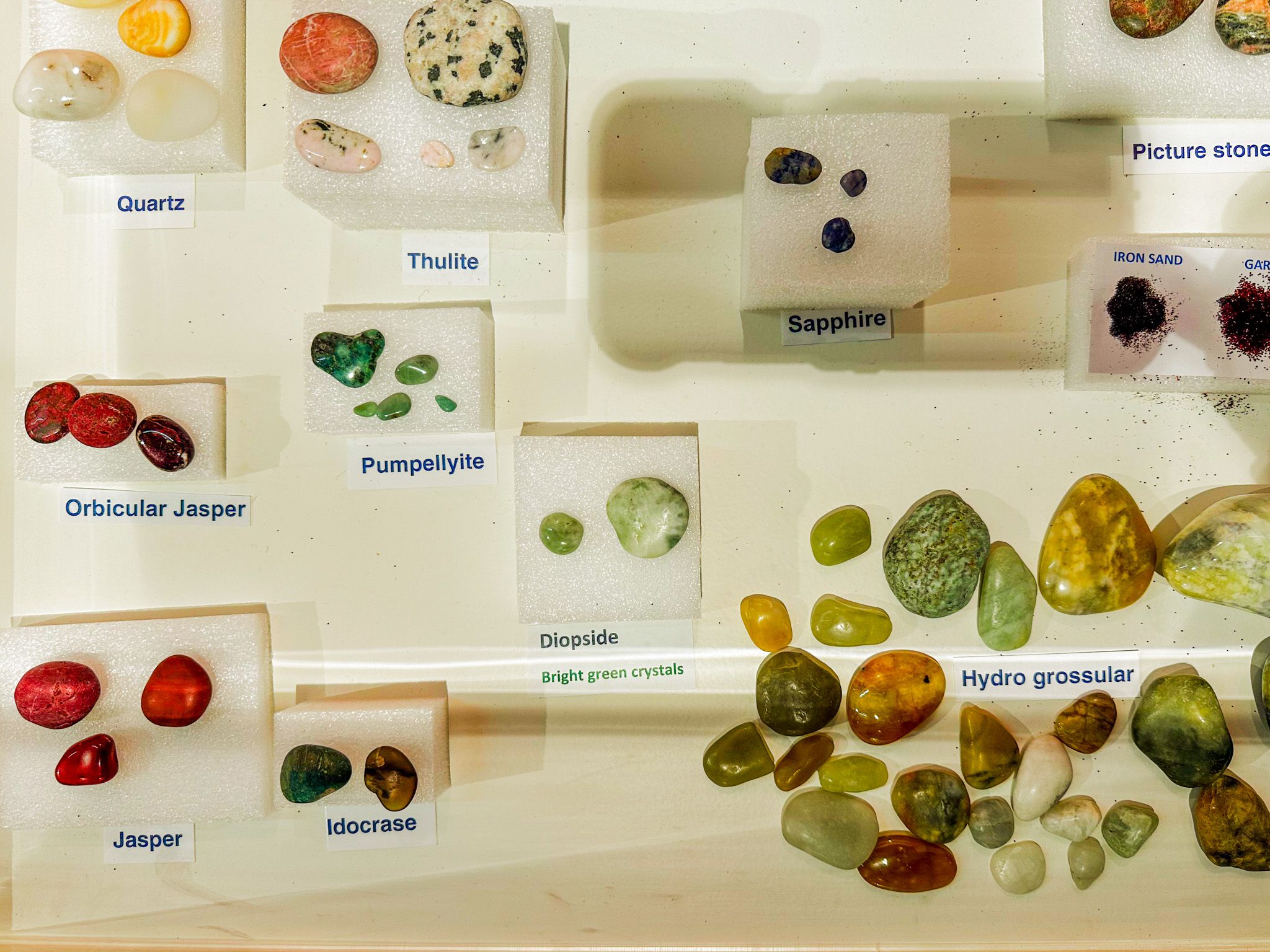
The Discovery Depot, at the rear of the museum, holds geological specimens from Gemstone Beach and the surrounding Southland landscape, with a microscope available for close examination of mineral samples. It is a hands-on space for kids and as a complement to a visit to Gemstone Beach, which lies a short drive west on the Southern Scenic Route.
There is also a video of local elders speaking casually about the old days, an intimate, unscripted ending that returns the museum to a place of lived experience.
The Museum's Development
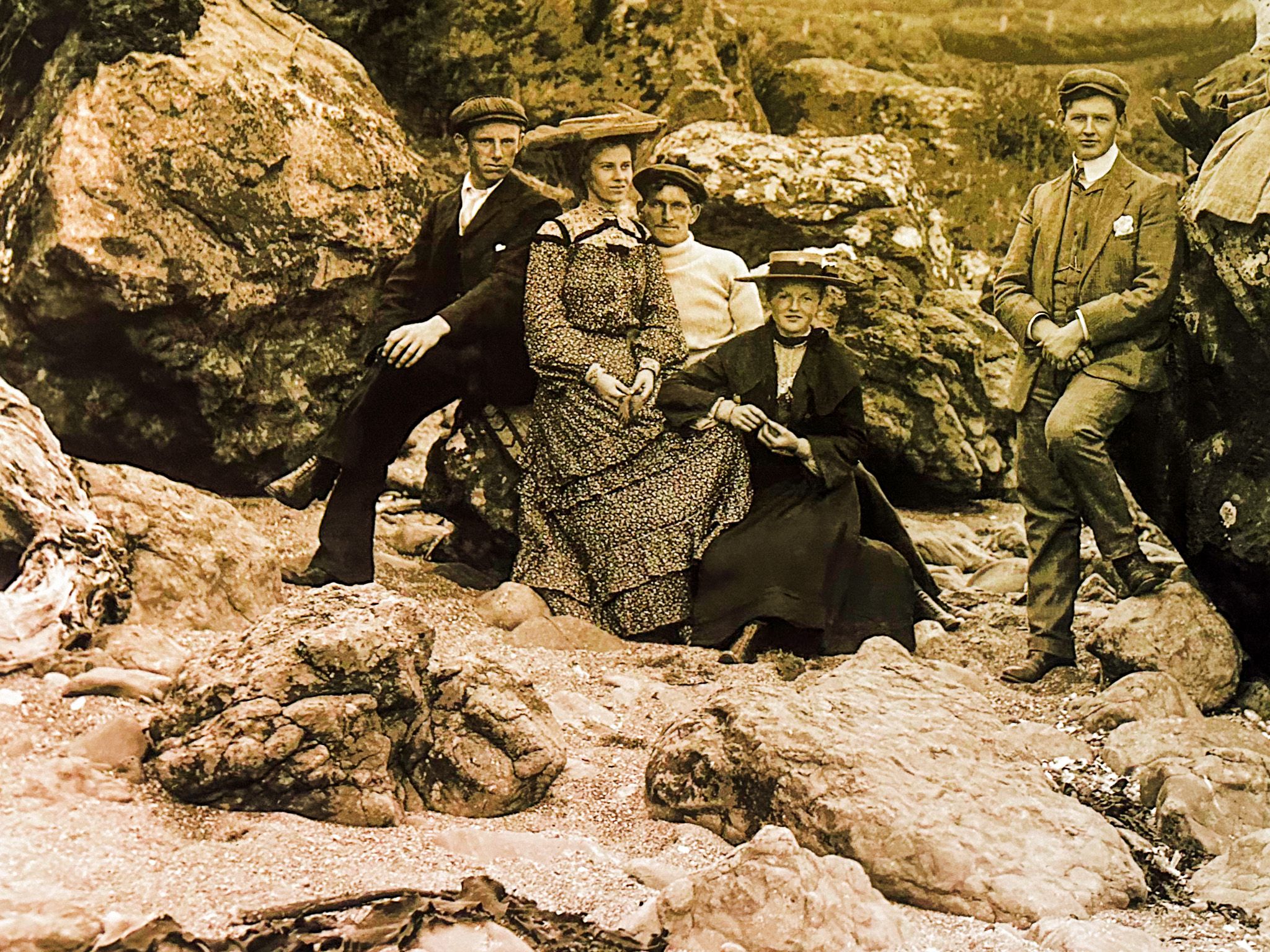
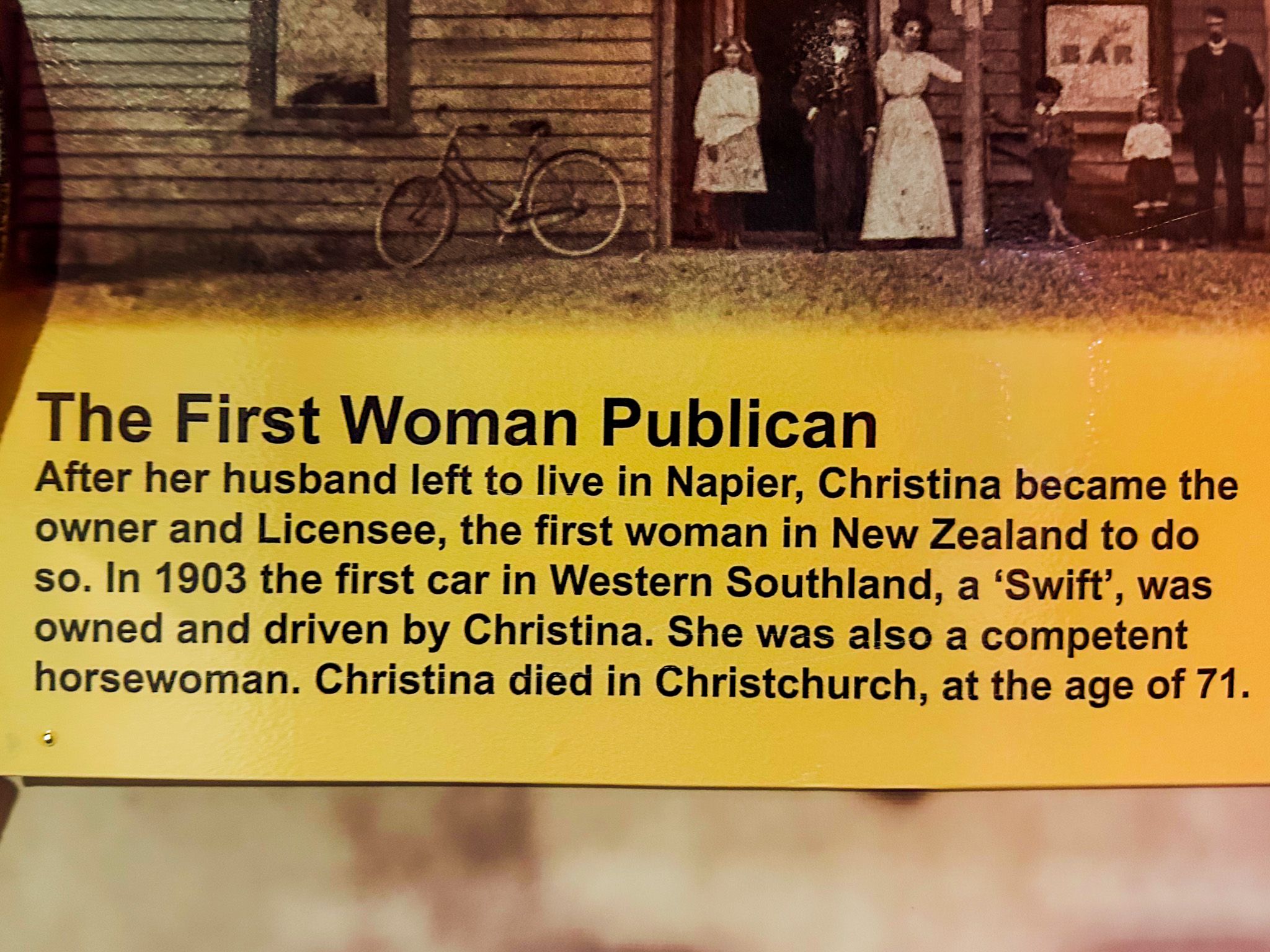
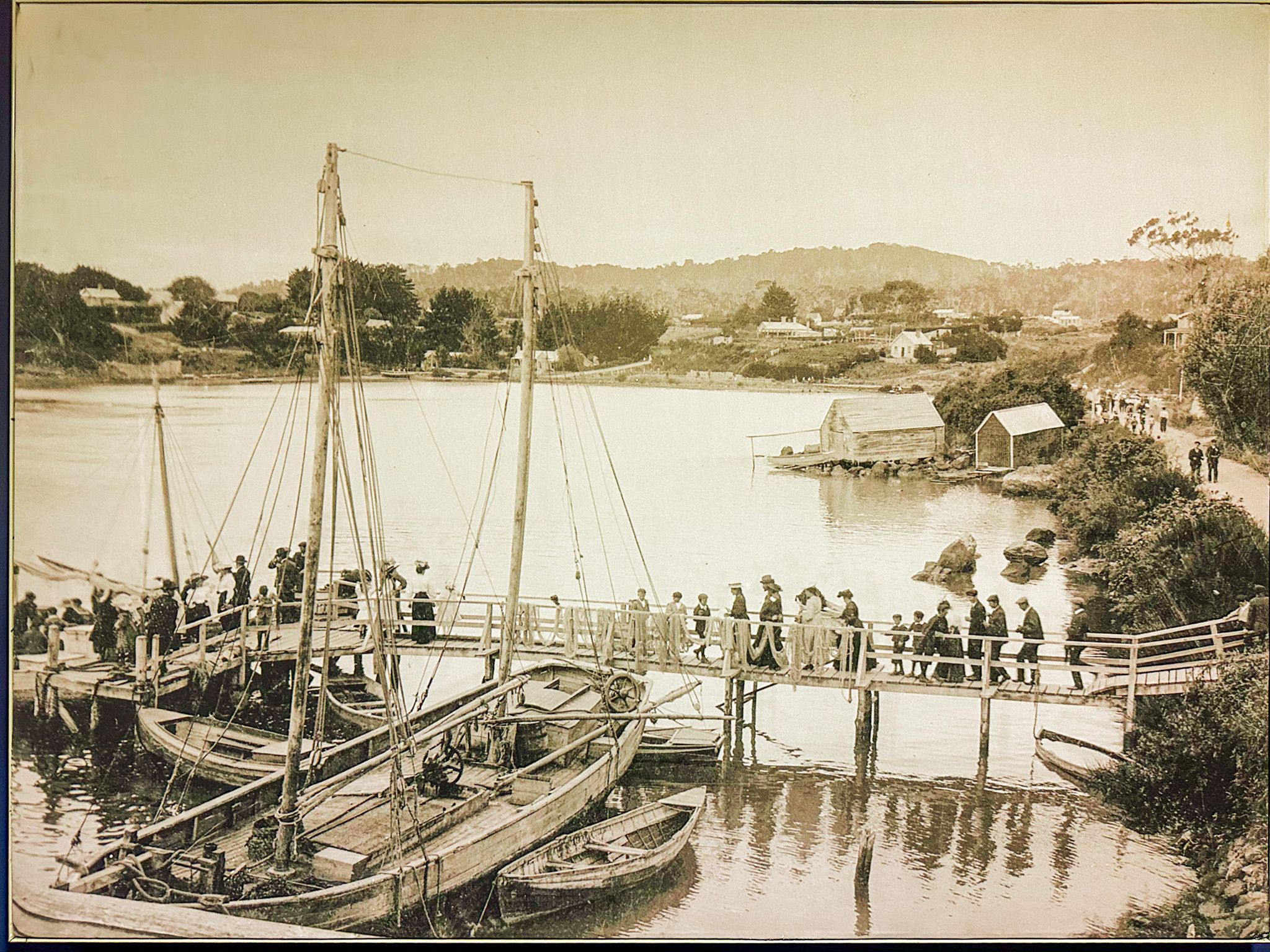
Te Hikoi is managed by the Riverton Heritage Society, a volunteer-based organisation. The collection itself dates to 1925, with the donation of the Wallace Early Settlers collection. That grew over the following decades to more than 8,000 objects. The modern facility opened in December 2007 with a modern entrance that incorporated the former Riverton Courthouse into a purpose-designed heritage complex. Each year, artists are invited to select objects from the archive for inspiration for the Art Challenge exhibition, which runs through September and October.
How to Get There
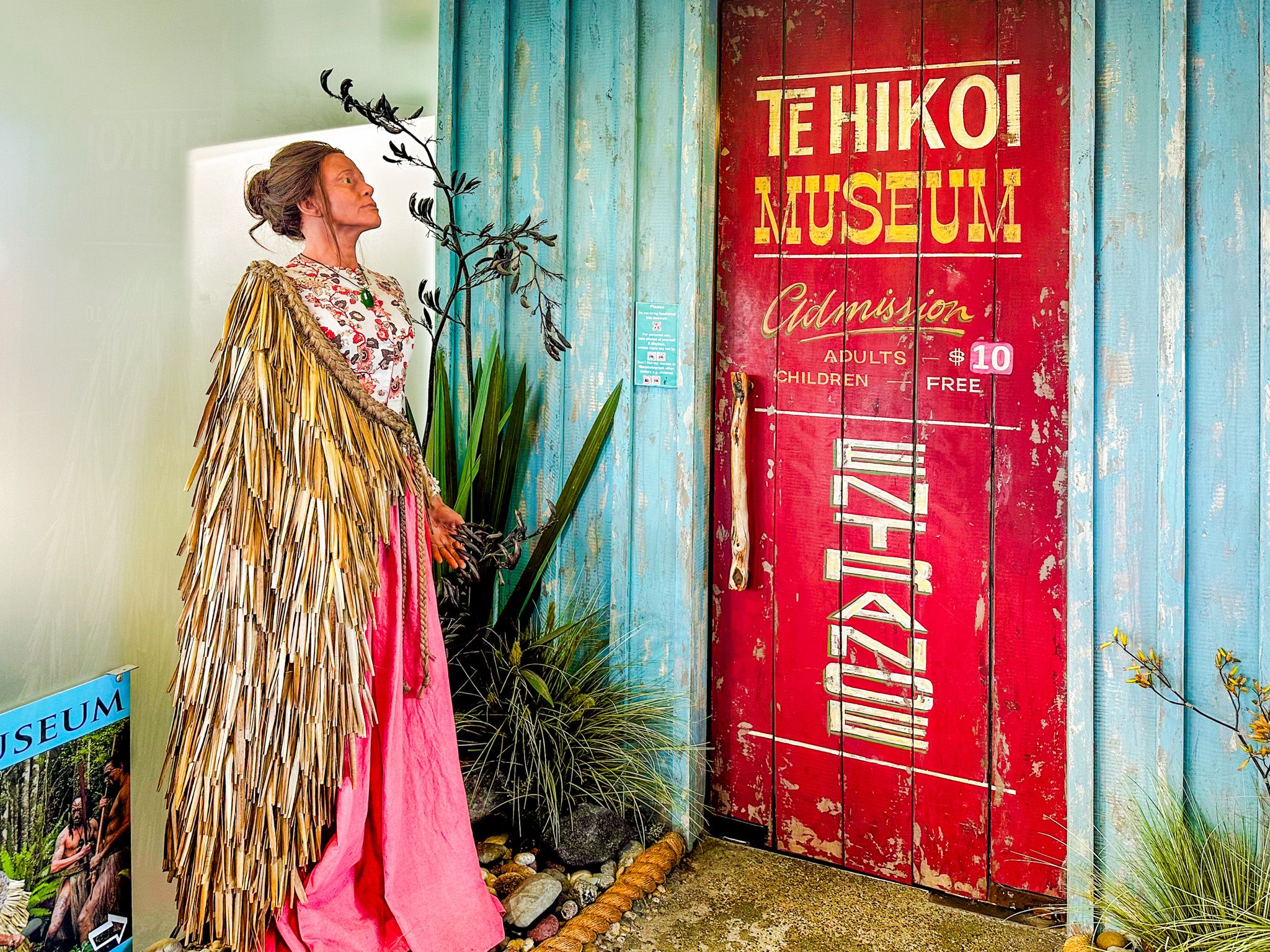
Te Hikoi Southern Journey is at 172 Palmerston Street, Riverton / Aparima, on the Southern Scenic Route, approximately 38 km west of Invercargill. The drive from Invercargill takes around 35 minutes. The museum is open seven days a week, from 10 am to 4 pm after Easter to Labour Weekend, and 10 am to 5 pm from Labour Weekend to Easter. It is closed on Christmas Day and Good Friday. Adult admission is $10, which includes the introductory film and all exhibitions; children 14 and under are free.
Nearby places to visit include Colac Bay / Ōraka, Cosy Nook, Monkey Island and Orepuki.