Exploring Riverton / Aparima
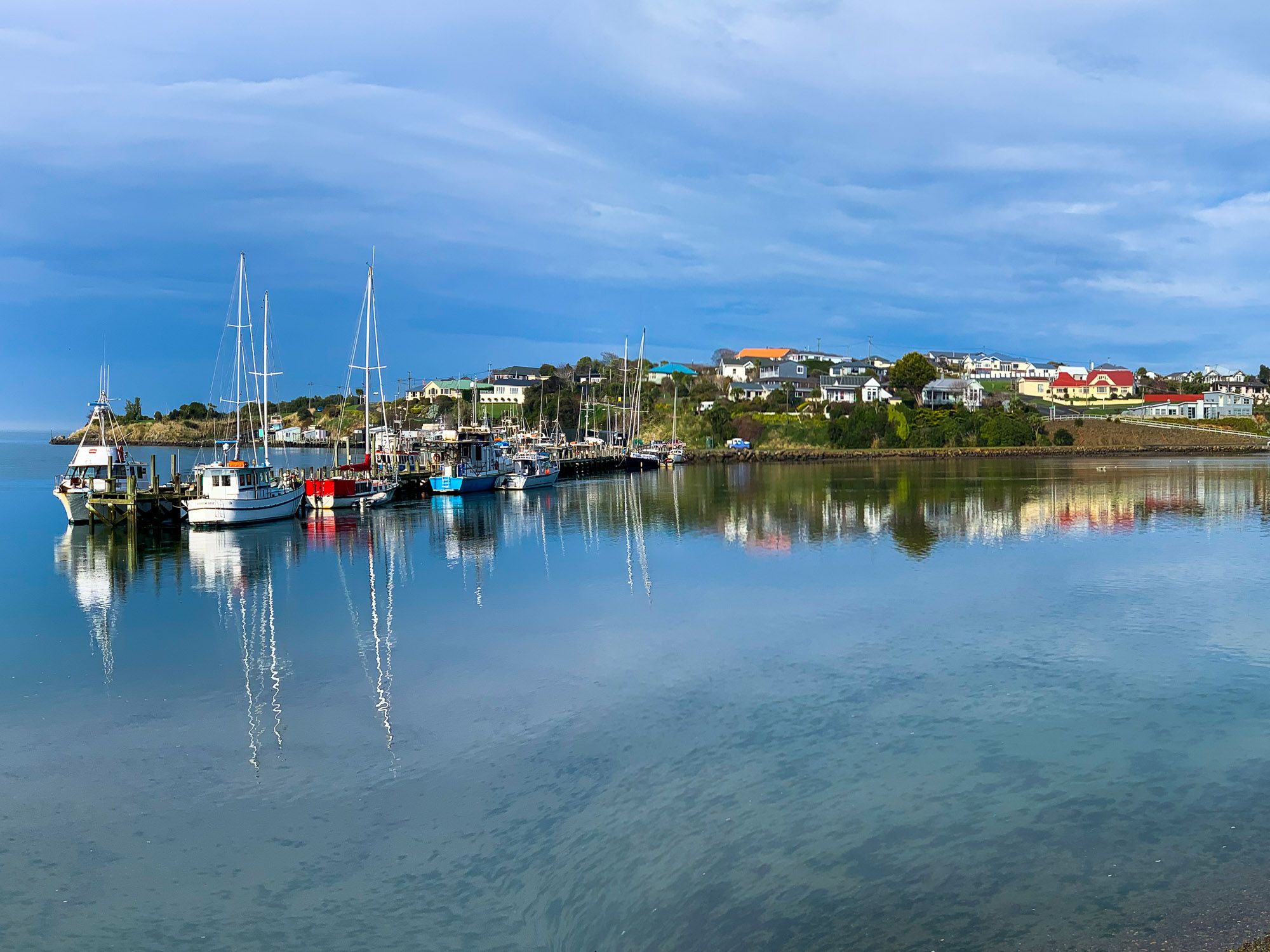
Riverton / Aparima, a charming coastal town on the Southern Scenic Route in Southland, is often referred to as the Riviera of the South. The town is situated at the western end of the 26-kilometre-long Oreti Beach, around the Jacobs River Estuary and Taramea Bay, to Howell's Point / Taramea. The Pourakino and Aparima Rivers feed the estuary, and a small harbour is located where the highway crosses the estuary mouth. Consequently, the town has a stunning coastline. It is also historically significant, being a ready source of kaimoana (seafood) for Māori, with the well-established village of Aparima in place when Europeans arrived.
The Heart of Riverton
The town centre sits on the north side of the Aparima River mouth along Palmerston Street (State Highway 99) and packs a surprising amount into a short stretch. The anchor attraction is Te Hikoi Southern Journey. The museum covers the full arc of Aparima's history: Māori settlement and the abundant kaimoana of the estuary coast, the arrival of sealers and whalers, and the cultural melding that followed. Its life-size dioramas are immersive, professionally executed scenes populated with characters that bring particular moments to life. There is a 15-minute introductory film describing early contact between people before you explore the exhibits. Near the museum stands Black Maria, a restored Johnson Model A steam locomotive, sitting in the open air beside the estuary reserve, a tangible piece of the district's industrial past.
The reserve around Te Hikoi extends to the estuary edge and includes a display of large rocks, a viewpoint, a wharf next to the bridge over the river and an open lawn. Walk a short distance behind Te Hikoi to discover striking, large wooden sculptures next to the estuary.
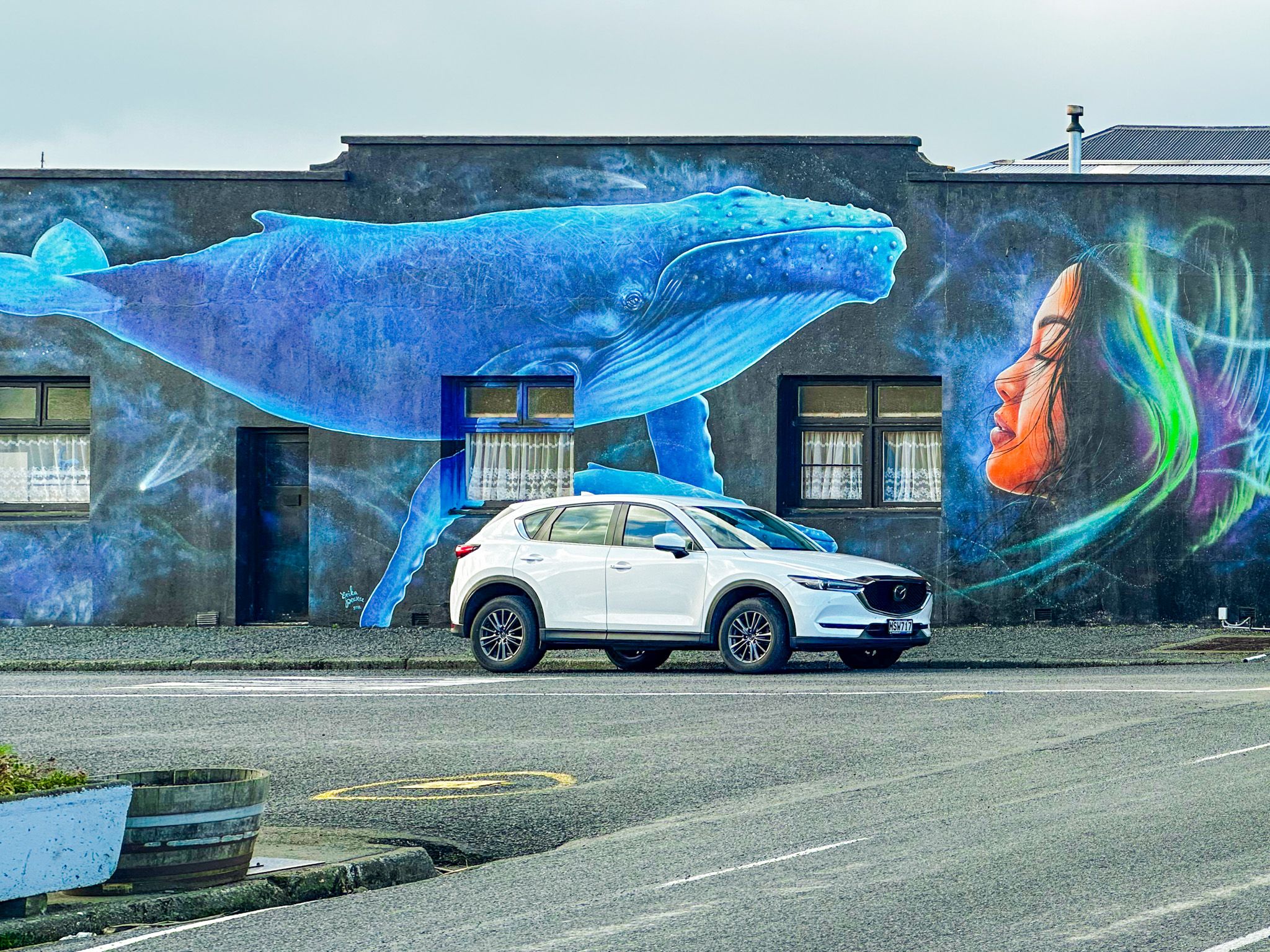
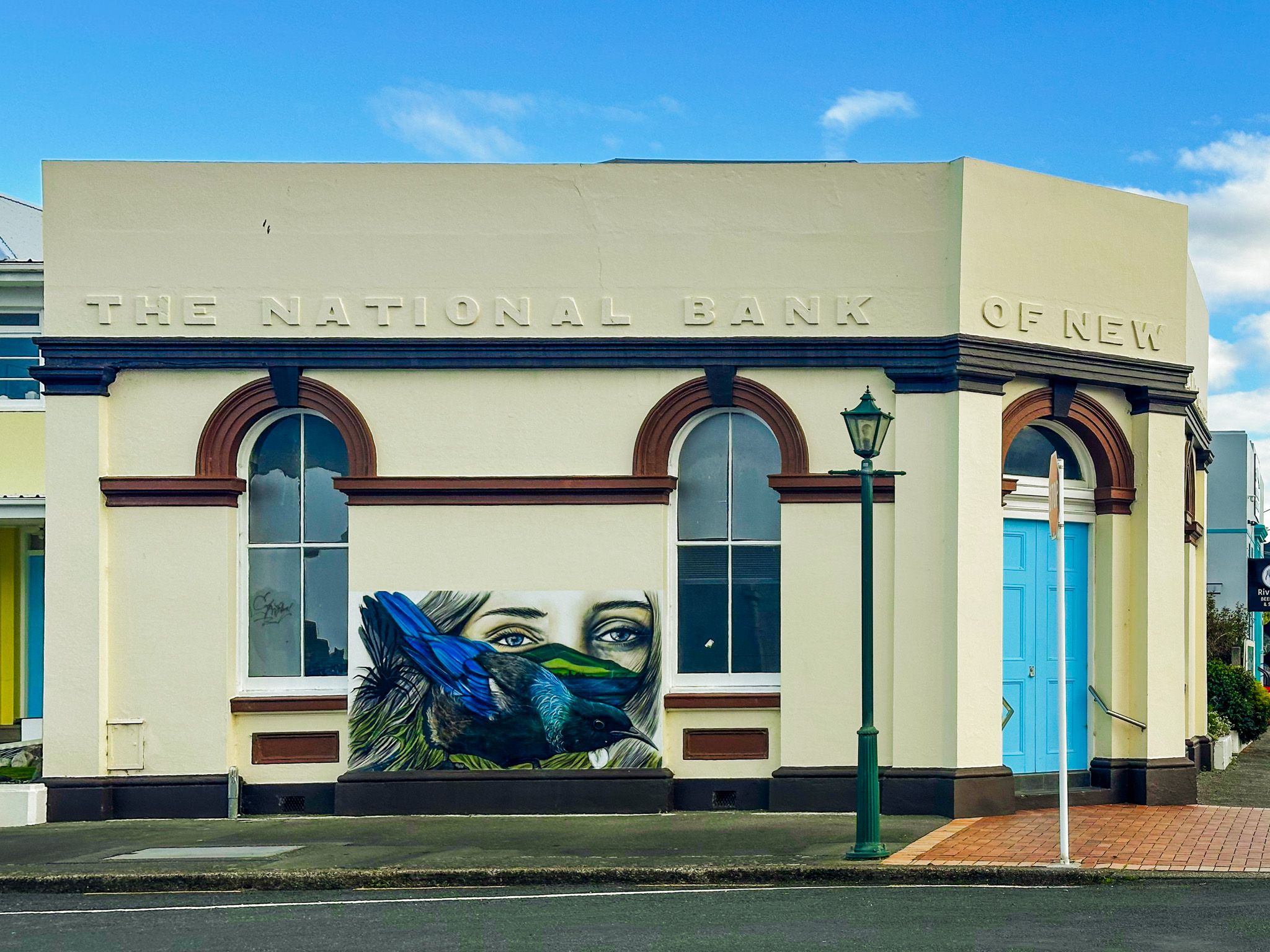
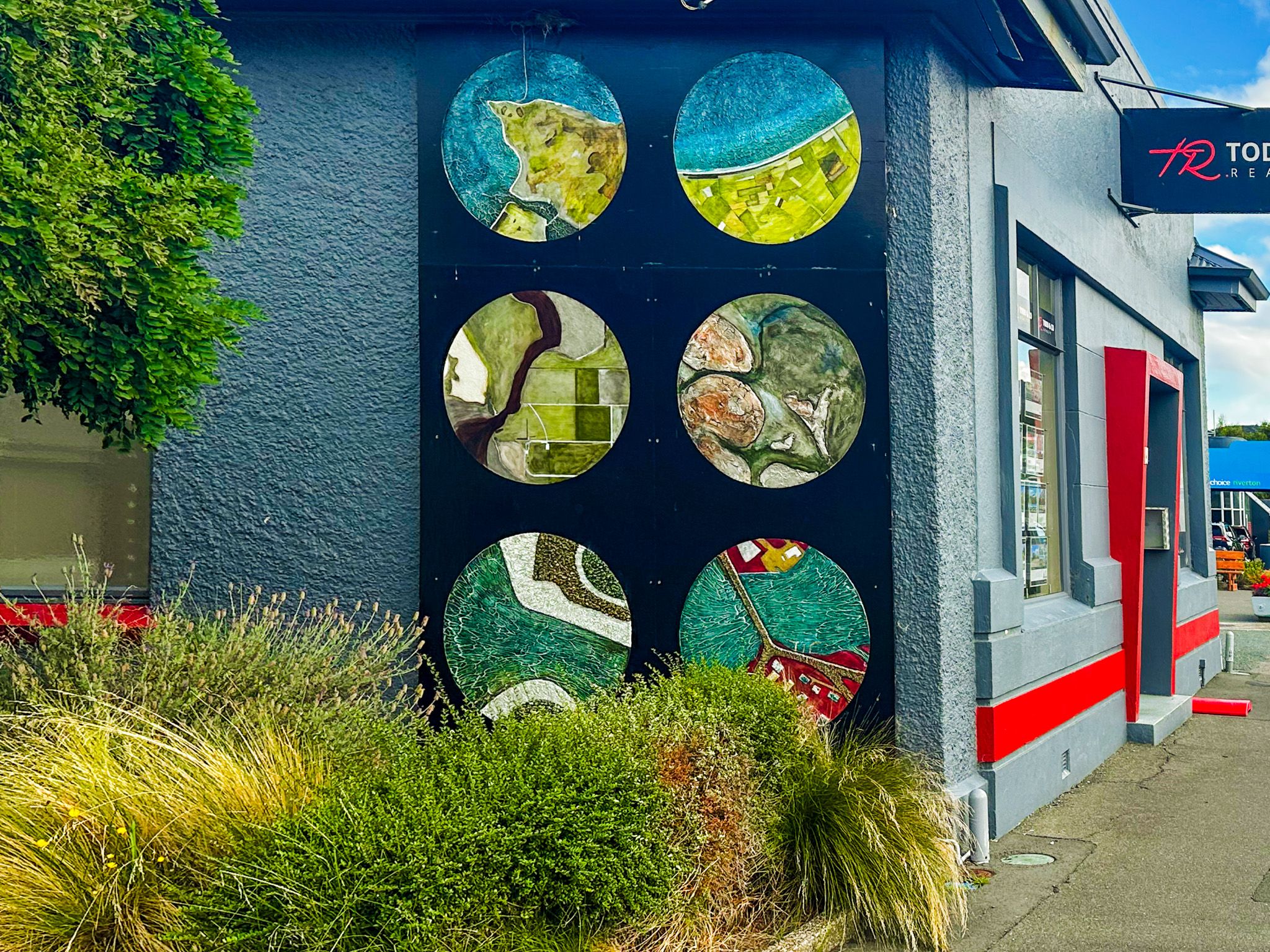
Crossing the road and walking south takes you to a reserve with a giant pāua shell sculpture. Created by Fiordland Souvenirs in the 1990s from 1,000 sheets of real pāua, it stands more than 4 metres tall. The paua has been a Riverton landmark for three decades and was relocated here in 2024. Its iridescent blue-green-gold surface was restored by South Sea Spray founder Danny Owen, whose connection to Riverton runs back to the street art festival he brought to the town in 2018. South Sea murals can be seen on buildings along the town centre, as well as in Invercargill, Winton, Gore and Te Anau.
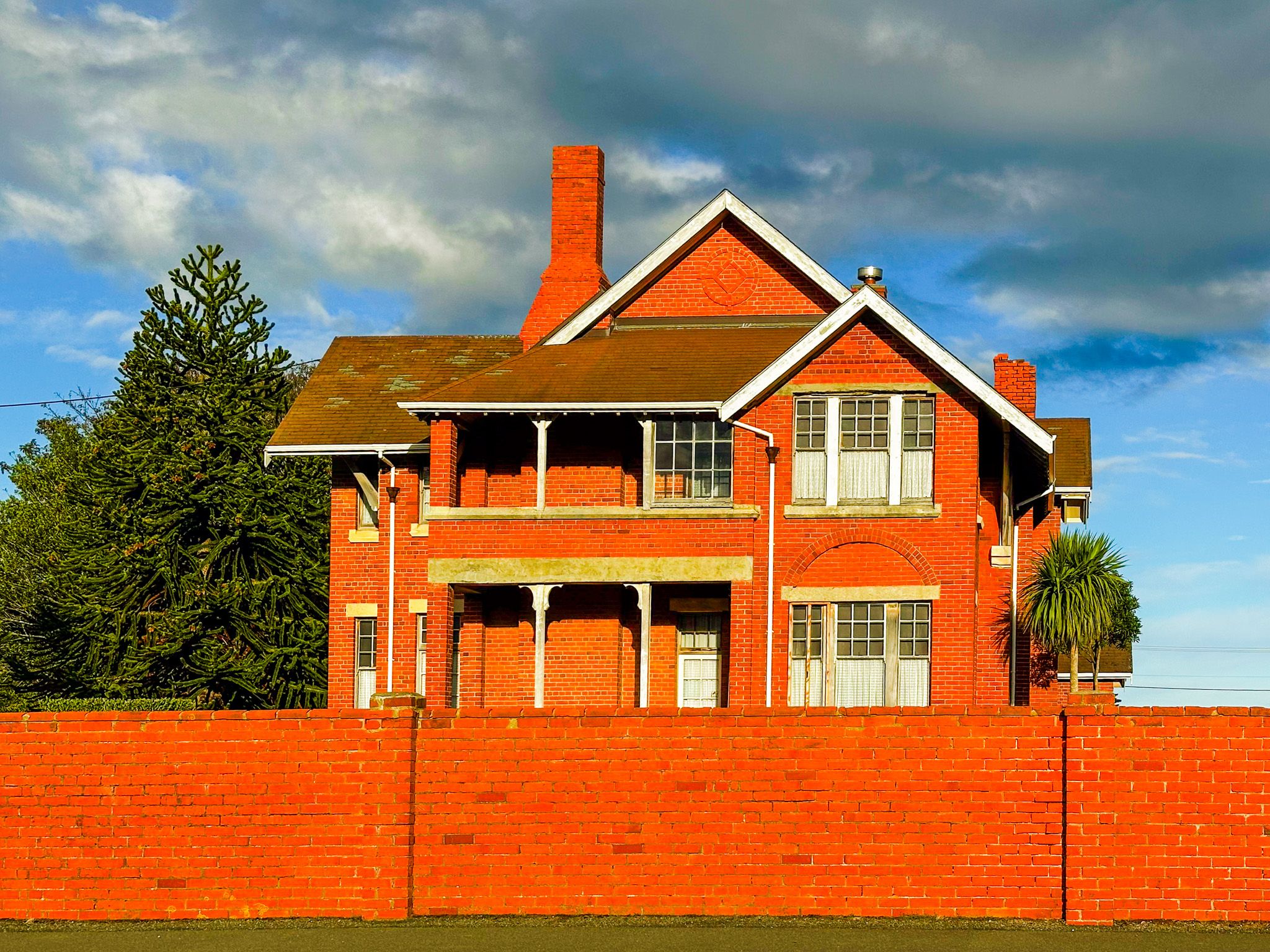
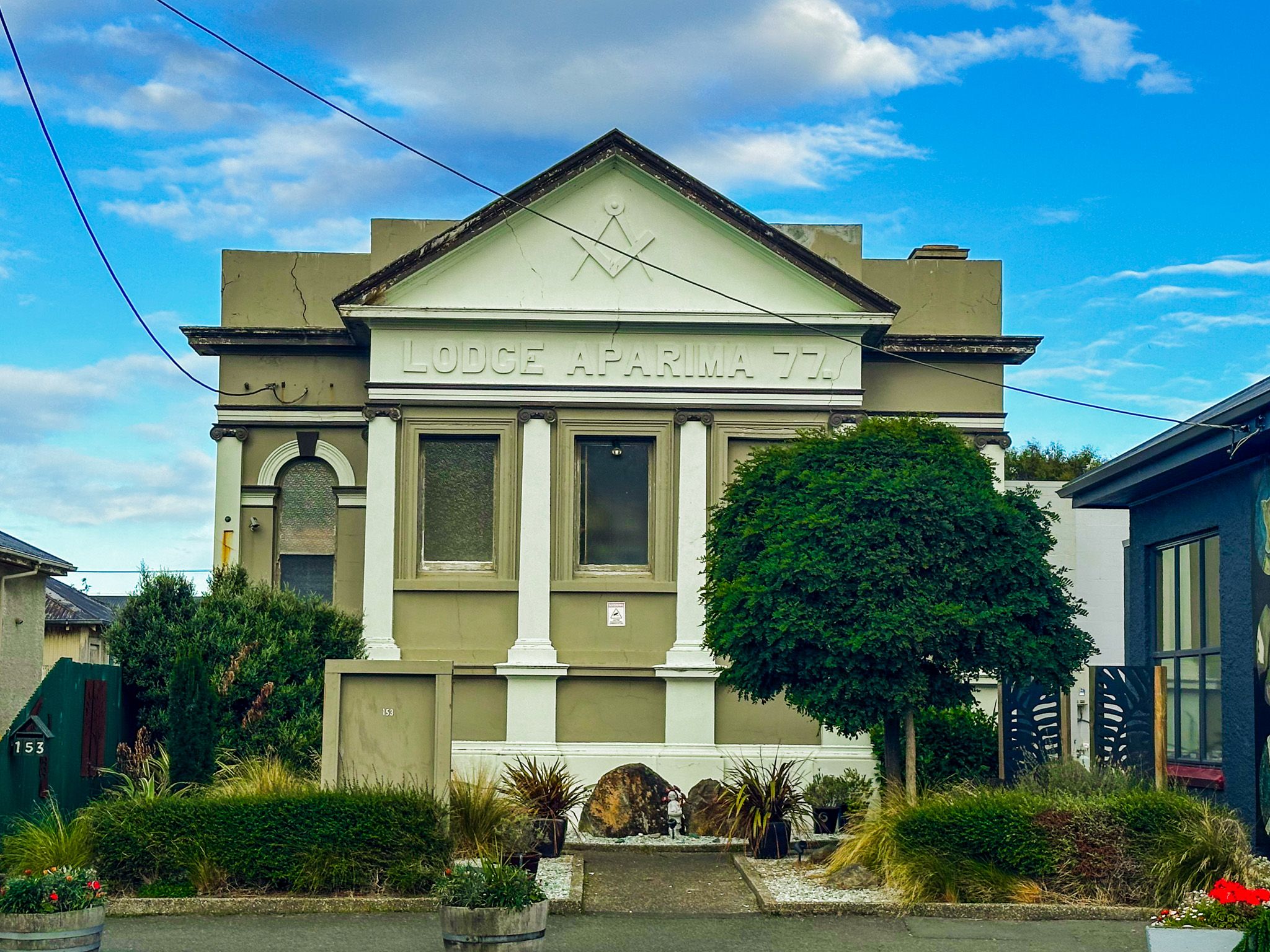
Head north along Palmerston Street to one of the most intact collections of late-1800s, early-1900s heritage commercial buildings in Southland, including Daniel House, a Georgian-influenced timber residence; the Palmerston Street Cottages; and St Mary's Anglican Church in the Carpenter Gothic style.
Exploring the Coastline
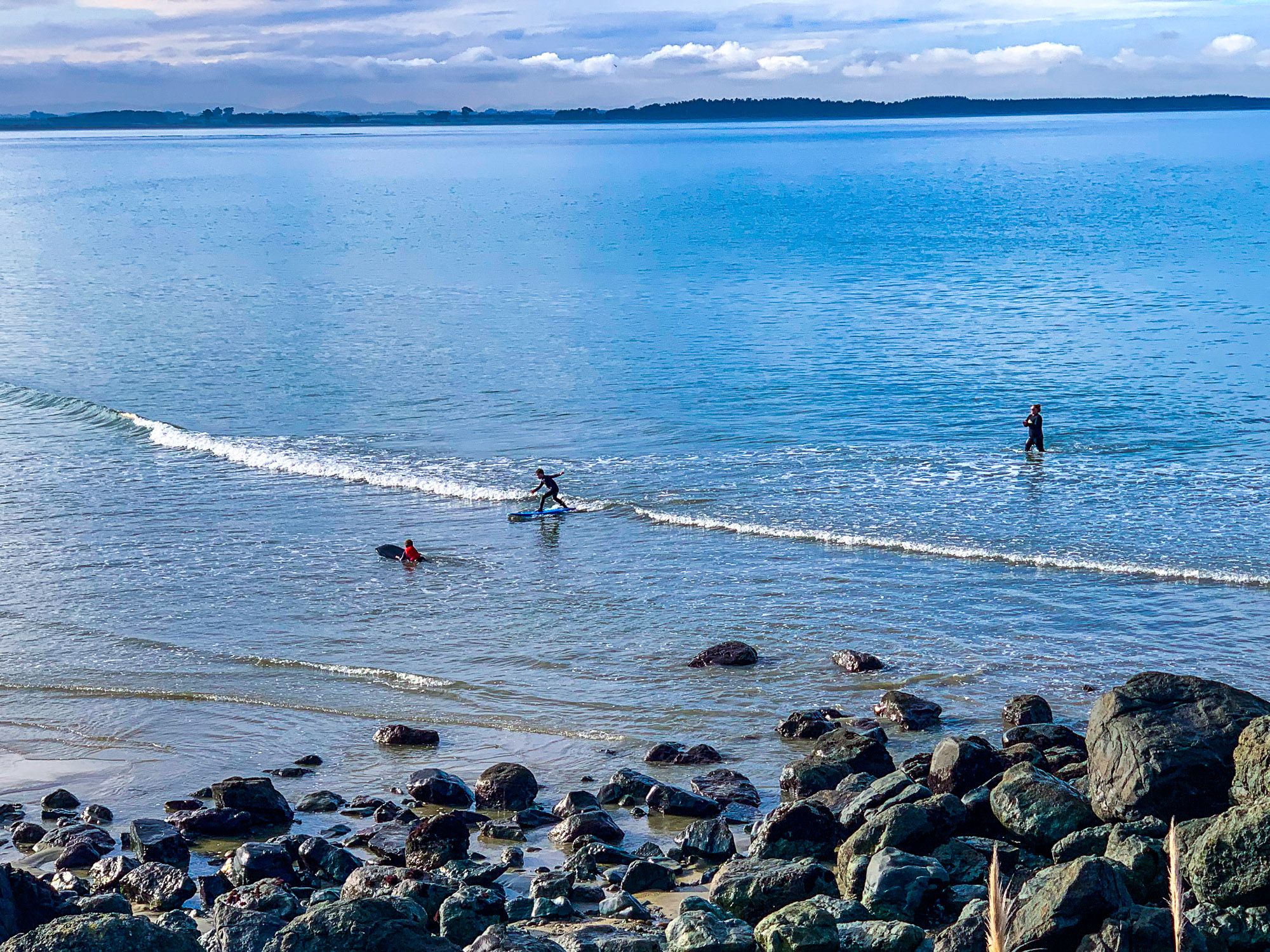
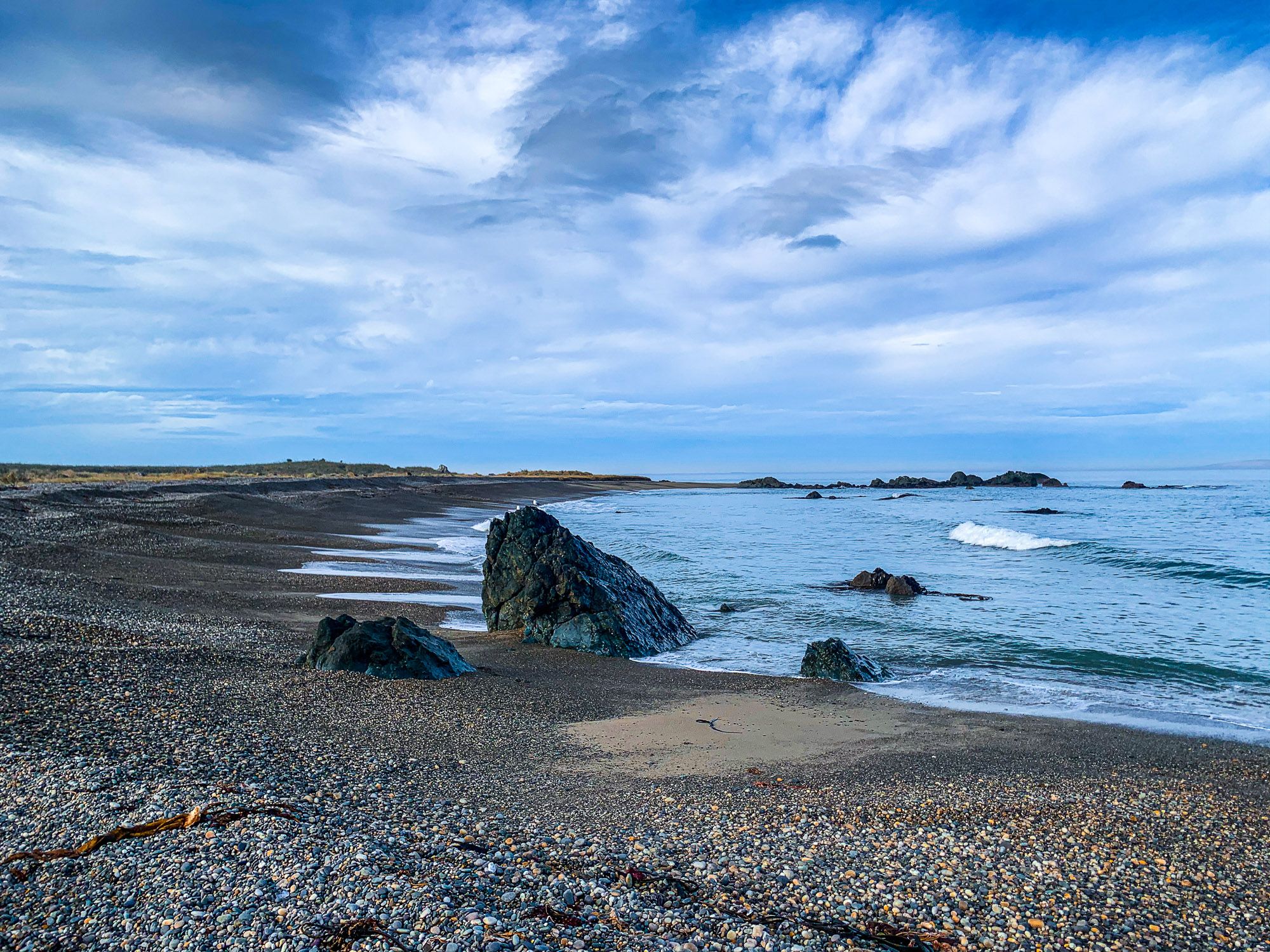
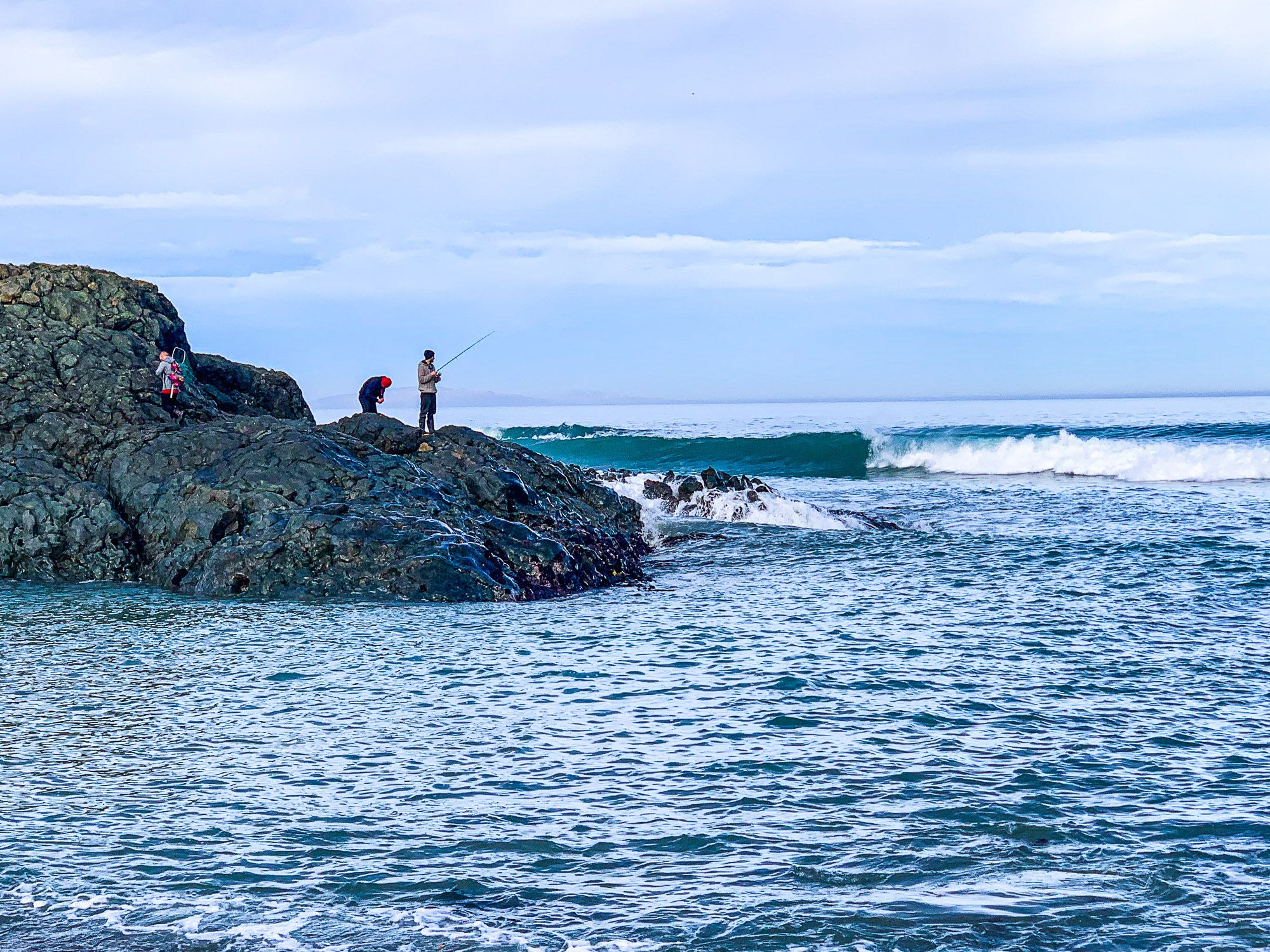
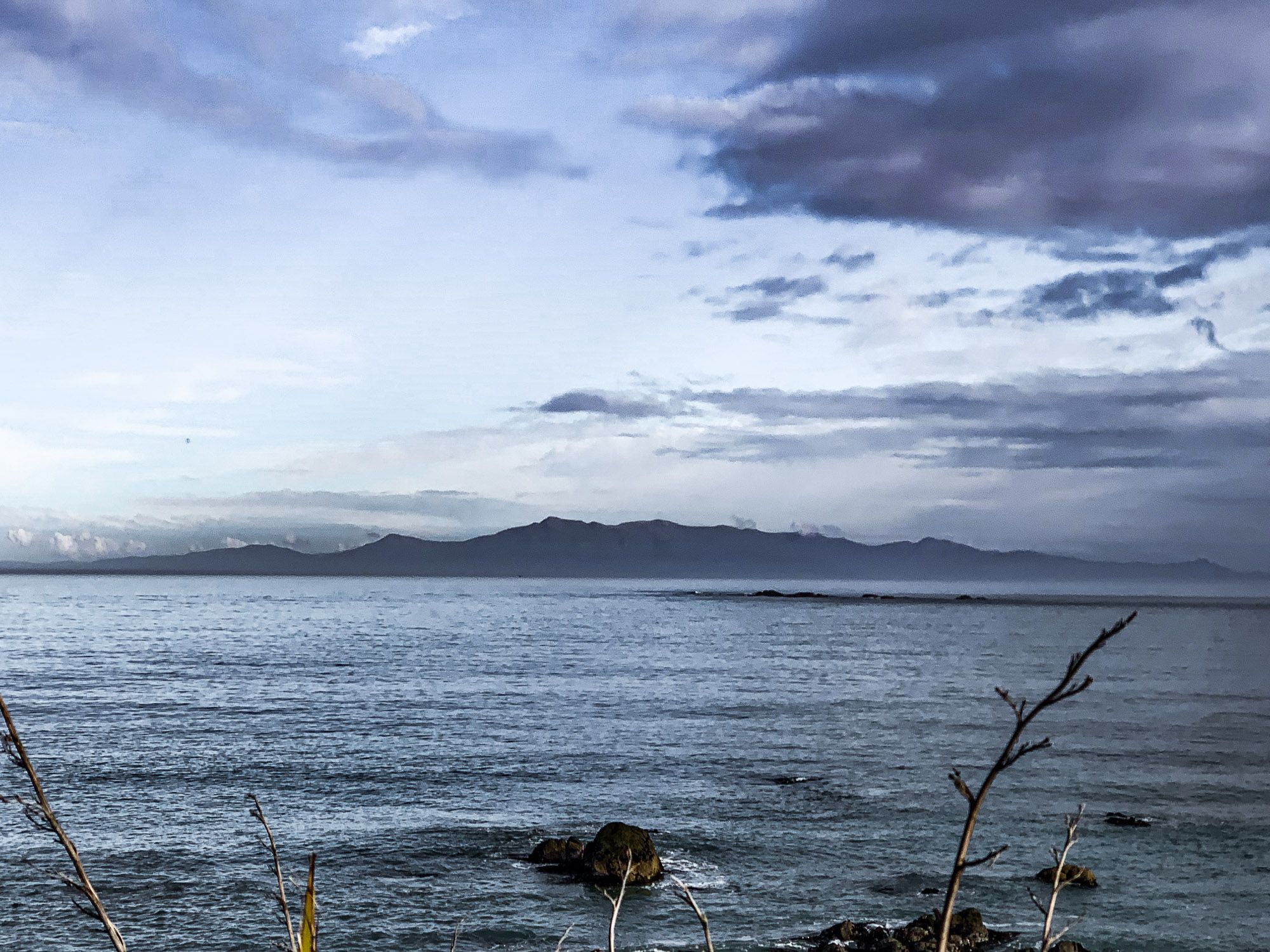
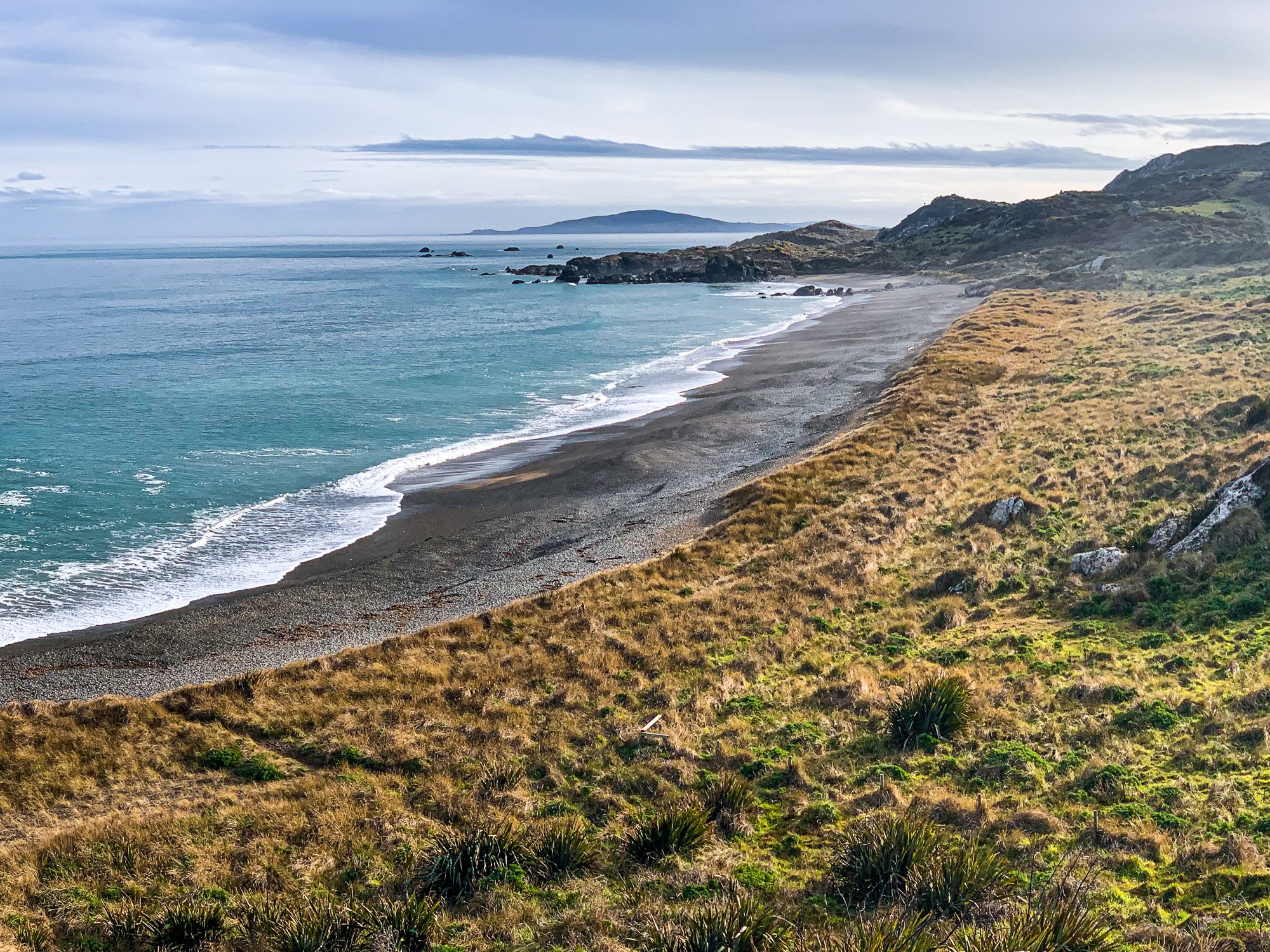
To explore Riverton's coastline, take Bay Road from the Southern Scenic Route and follow it as it changes names along the coast. The first stop is Taramea Bay, known for its safe swimming and as a popular surfing spot, even in Winter. Dolphins are also frequently seen here. Continue to The Rocks, a large rocky outcrop and popular fishing location. If The Rocks are crowded, you can walk along several remote, unnamed beaches towards Colac Bay / Ōraka, connecting with Te Araroa as it heads inland through the town.
From the town centre, you can take Princess Street to North Beach, the northern end of Oreti Beach, which is over 30 km long. Te Araroa continues along this beach to Invercargill and Bluff.
A Rich Historical Tapestry
Riverton / Aparima is one of New Zealand's oldest European settlements and the oldest in Southland. The 1830s saw Captain John Howell establish a whaling station and marry Kohikohi, the daughter of the Centre Island rangatira Horomona Pātu, which facilitated land acquisition and the development of the town near the village of Aparima. A memorial beside the Aparima River estuary commemorates Howell, and his legacy is reflected in local names such as Howells Point and Howells Roads.
On Napier Street, one block back, stands Te Whare Kohikohi (Kohikohi's Cottage), the most historically significant building in the town. Howell built the cottage for his wife, and it is thought to be the first European-style house in Riverton. It is also one of the few surviving New Zealand buildings predating the Treaty of Waitangi.
Riverton also has several Southland firsts, including the first school in 1837, the first hospital in 1861, and the first recorded horse race.
Getting to Riverton / Aparima
To reach Riverton / Aparima, follow the Southern Scenic Route (State Highway 99) from Invercargill. The drive is 30 minutes and 38 km.
Continuing west takes you to several other beautiful Southland coastal areas, including Cosy Nook, Orepuki, Gemstone Beach and McCrakens Rest in Te Waewae Bay.