The Town with Fire in its Name
Hāwera is the main town of South Taranaki, sitting 75 km south of New Plymouth on State Highway 3, about 30 minutes from the base of Taranaki Maunga. It is a working rural service centre with a compact town centre, two fine parks, and a clutch of attractions that repay a longer look than most travellers give it. The name Hāwera means "burnt place", recalling an attack in which the pā of the Tītahi people at Whareroa was set alight. Since then, the town has suffered major fires in 1884, 1888 and 1912!
The Water Tower and Town Centre
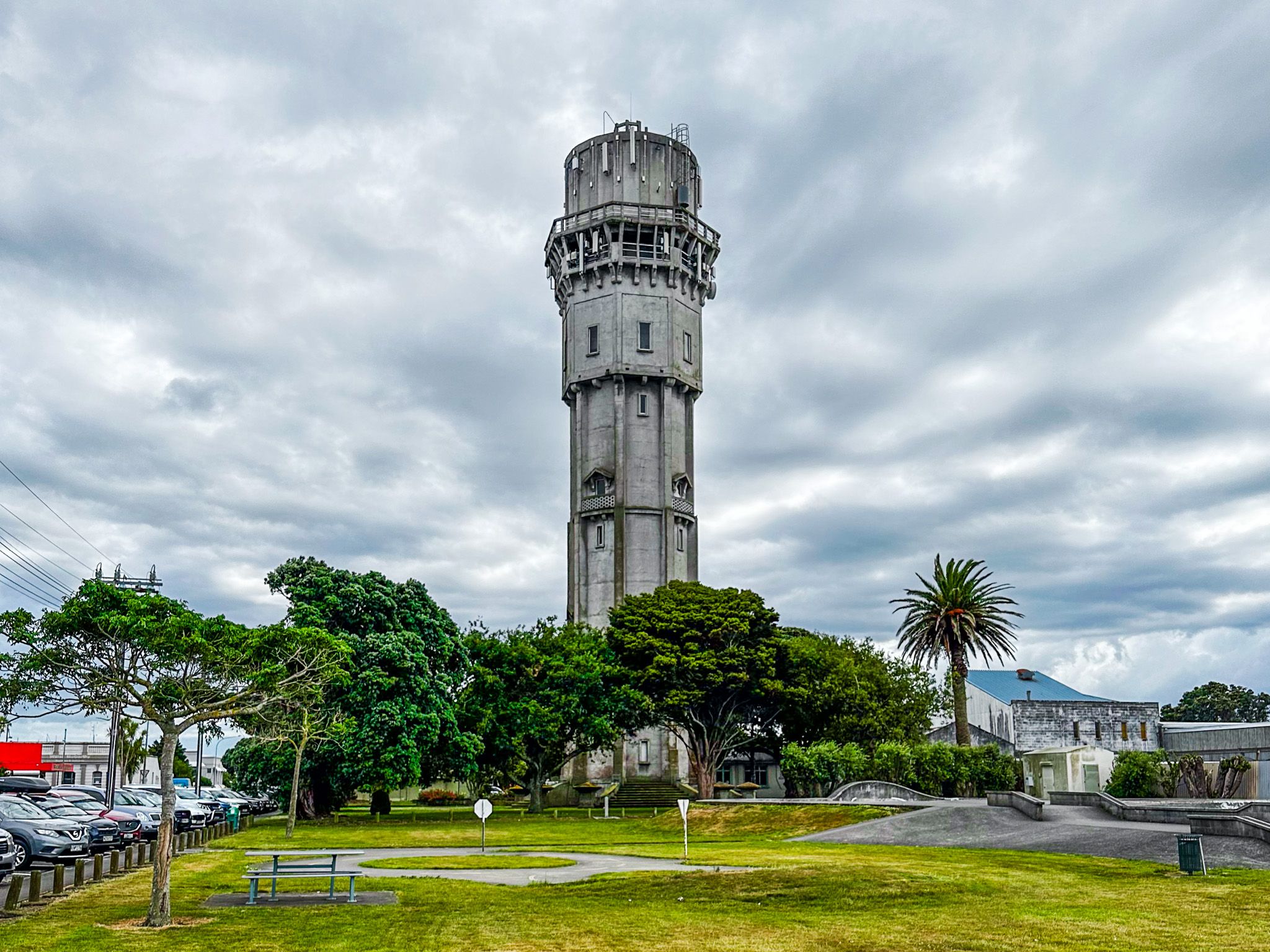
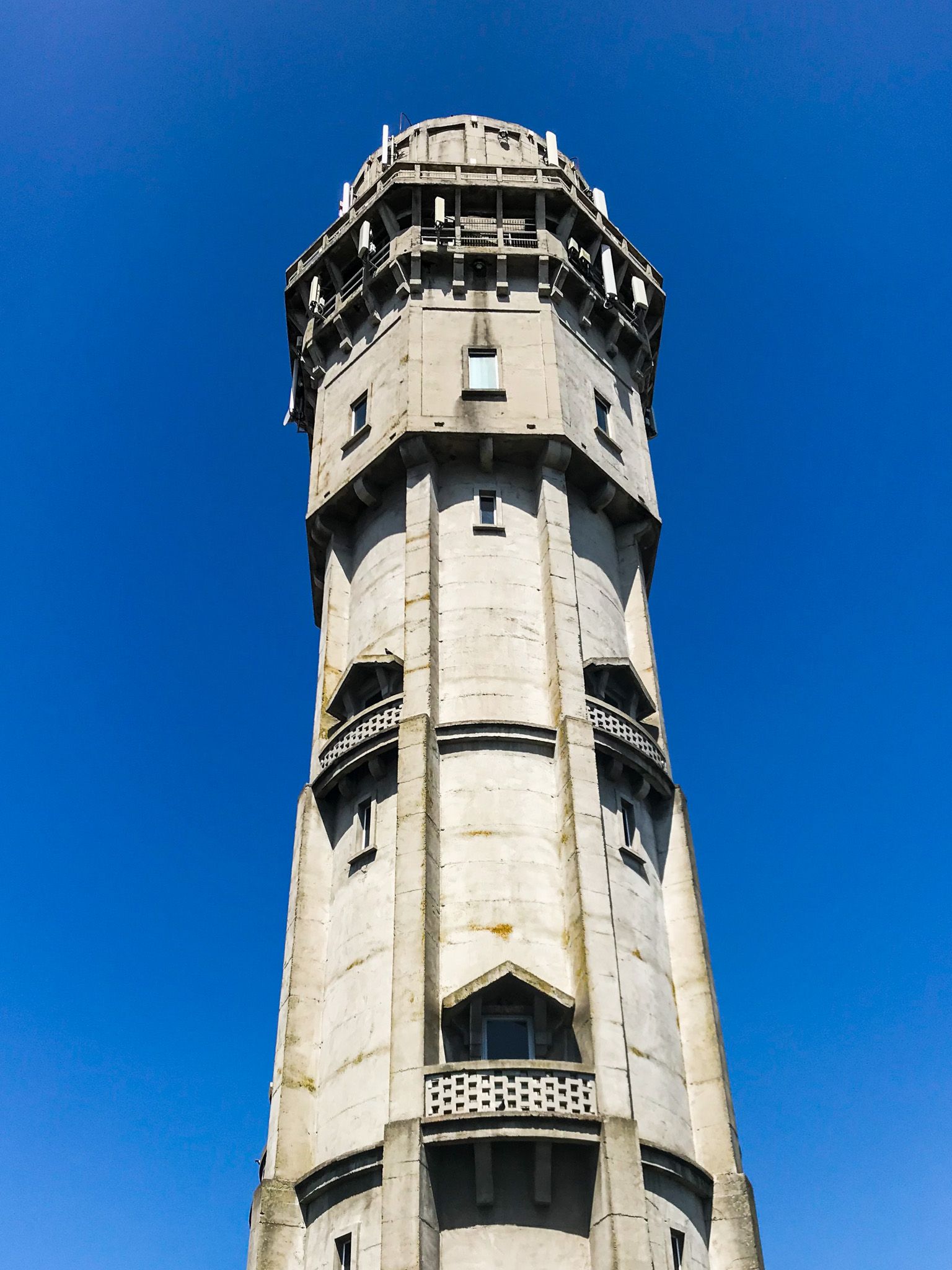
The most striking landmark in Hāwera is its concrete water tower, which rises 54 metres above the town centre at the corner of Albion and High Streets. It was built in 1914 after the 1912 fire prompted insurance underwriters to demand improved firefighting capacity. Borough engineer JC Cameron designed the tower, but construction was barely complete when an earthquake tilted the structure some 76 centimetres. Local architect John Duffill came up with a solution, and by anchoring the lower side and carefully undermining the opposite foundation while filling the tanks with water, the tower was slowly corrected. It is now a Heritage NZ structure. You can collect a key from the South Taranaki i-SITE Visitor Centre beside the tower and climb 215 steps to a viewing platform that takes in the coast, the Taranaki hinterland, and the mountain (temporarily closed at the time of writing).
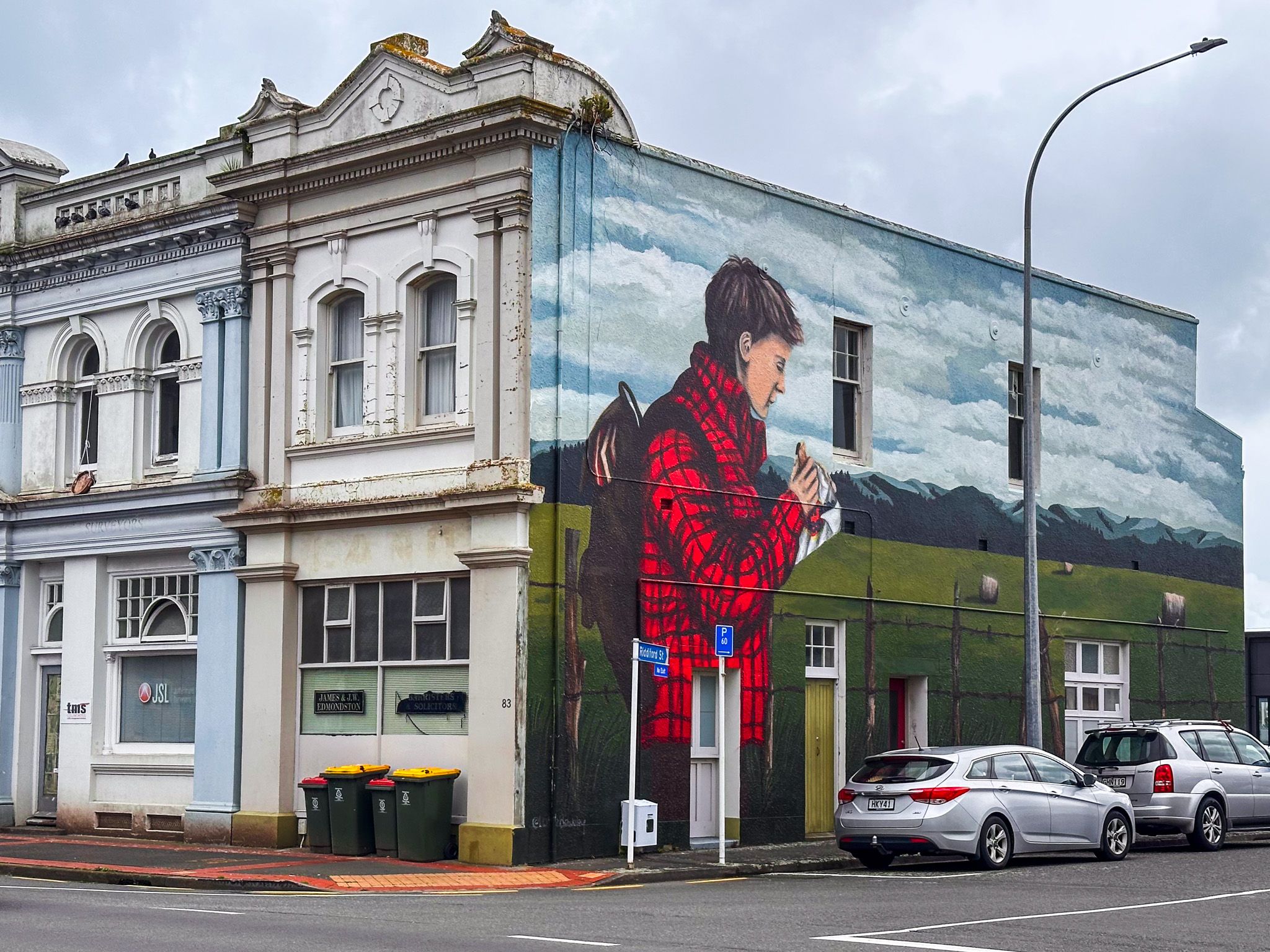
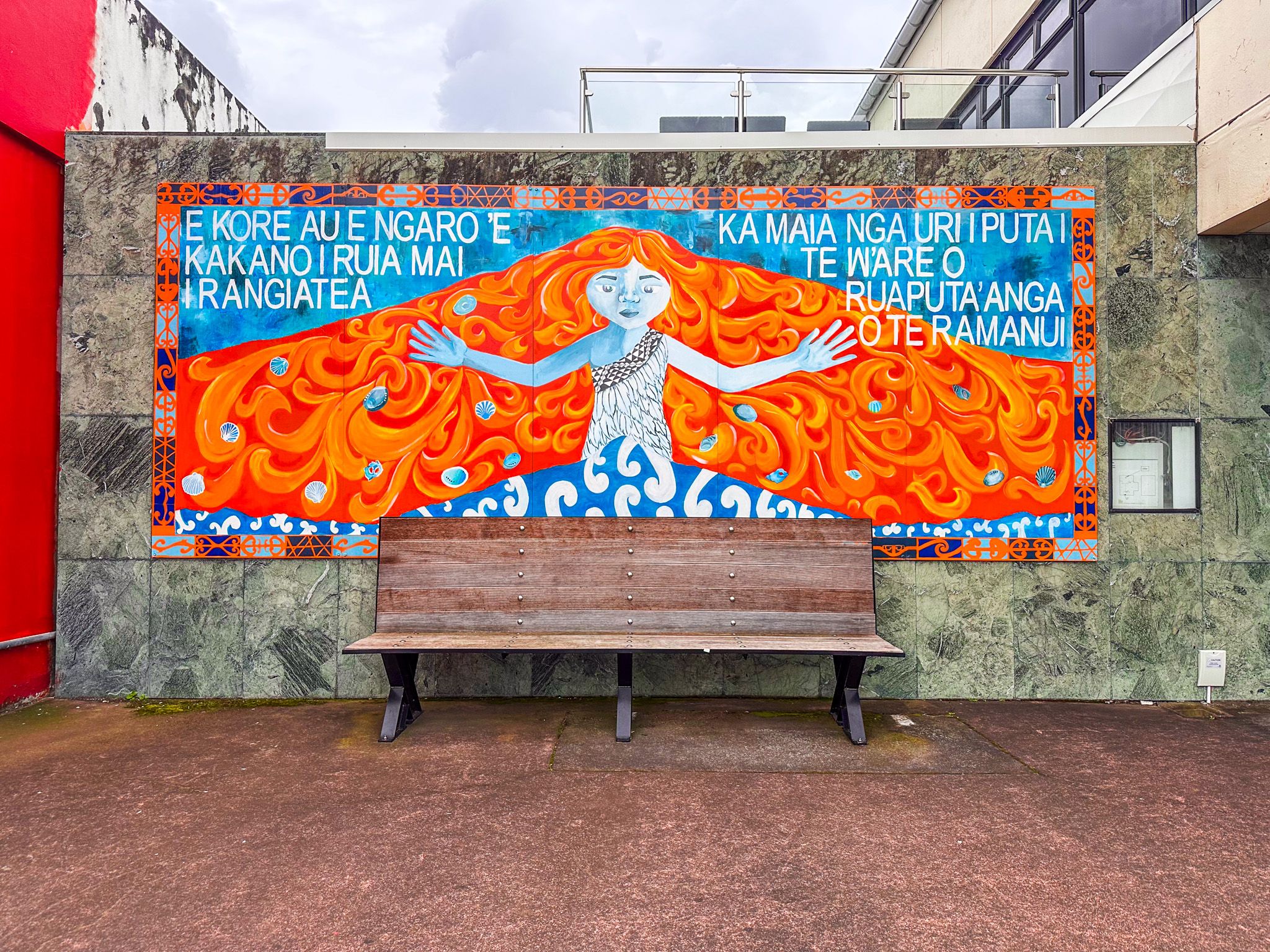
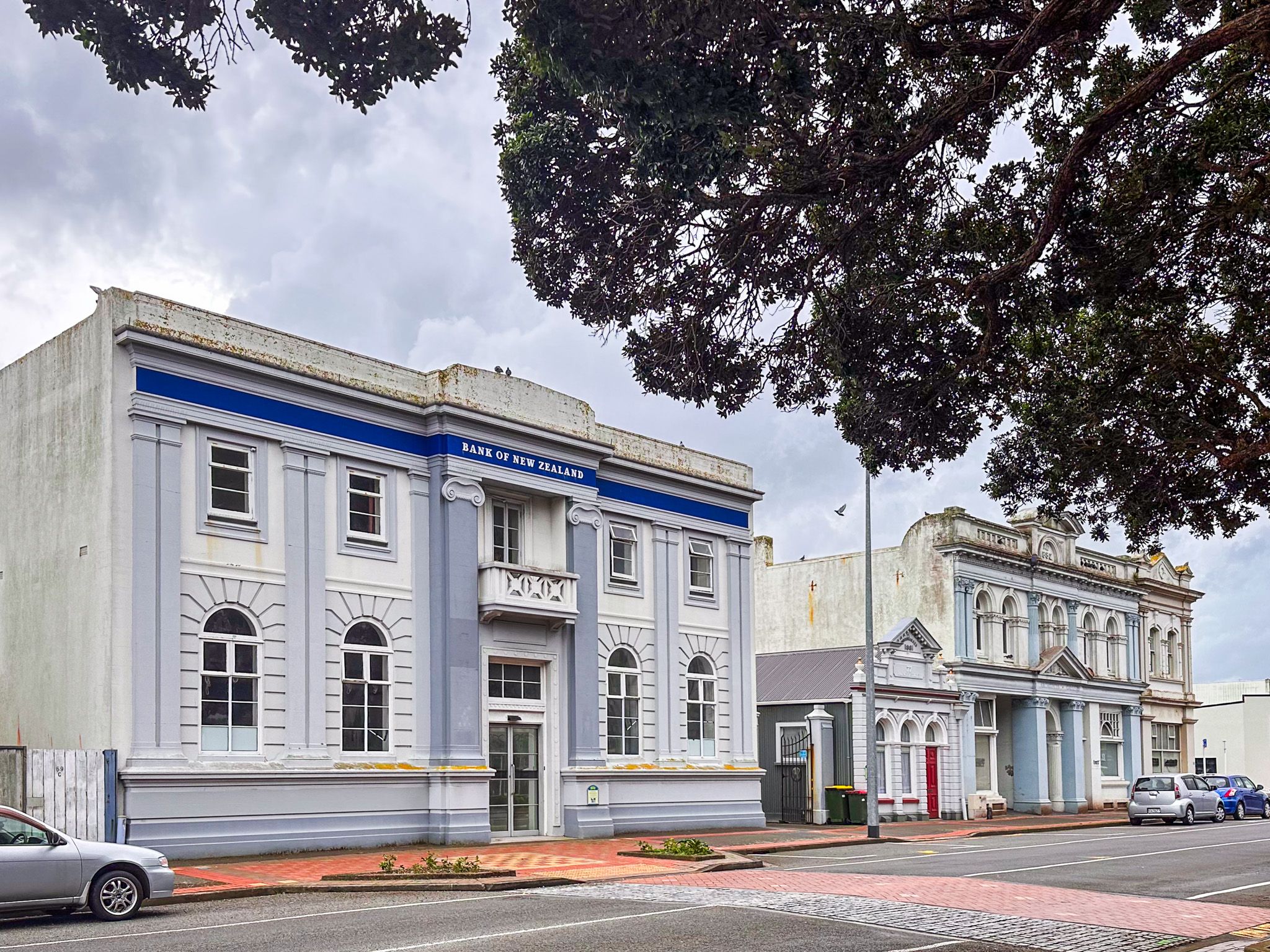
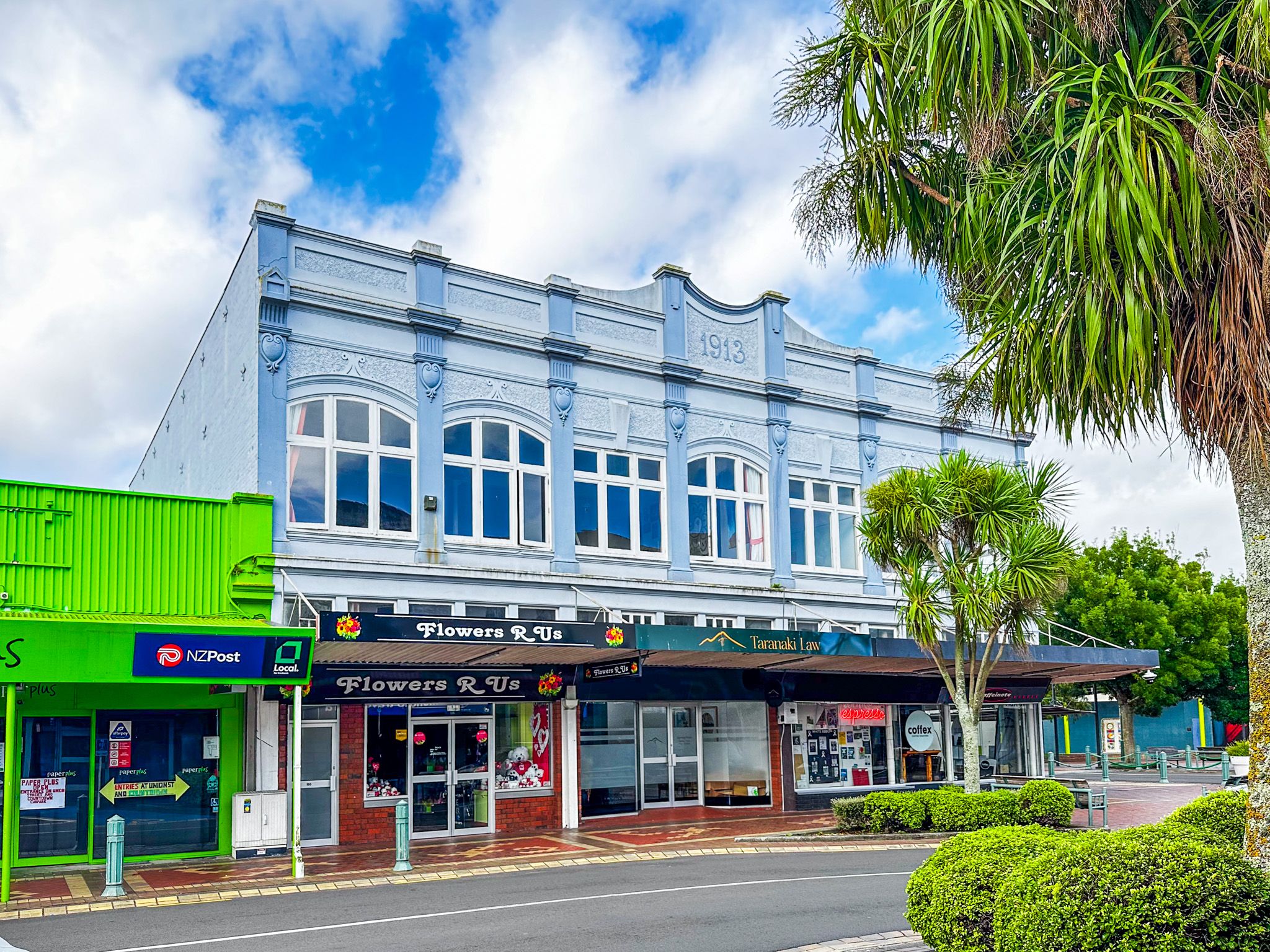
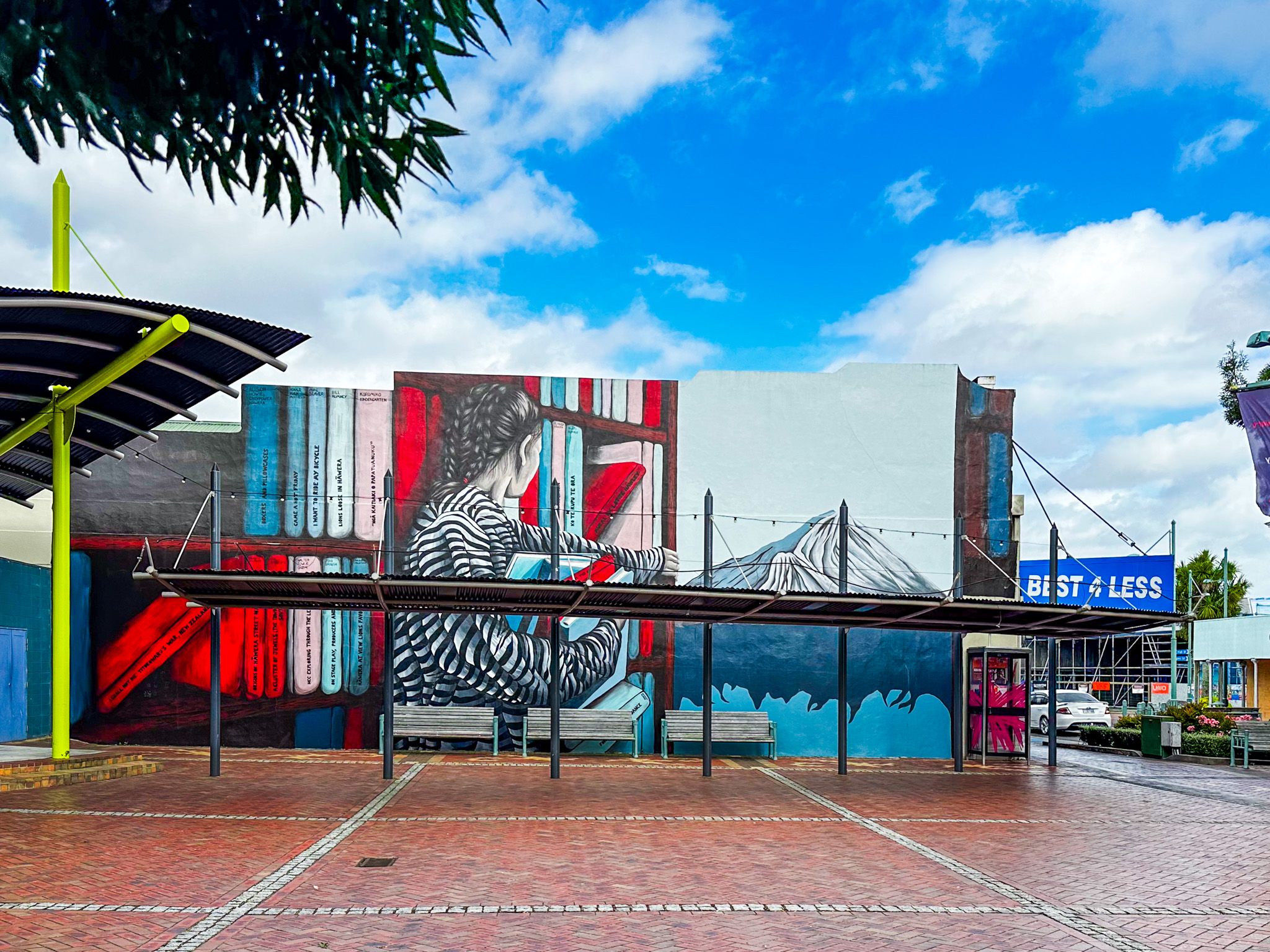
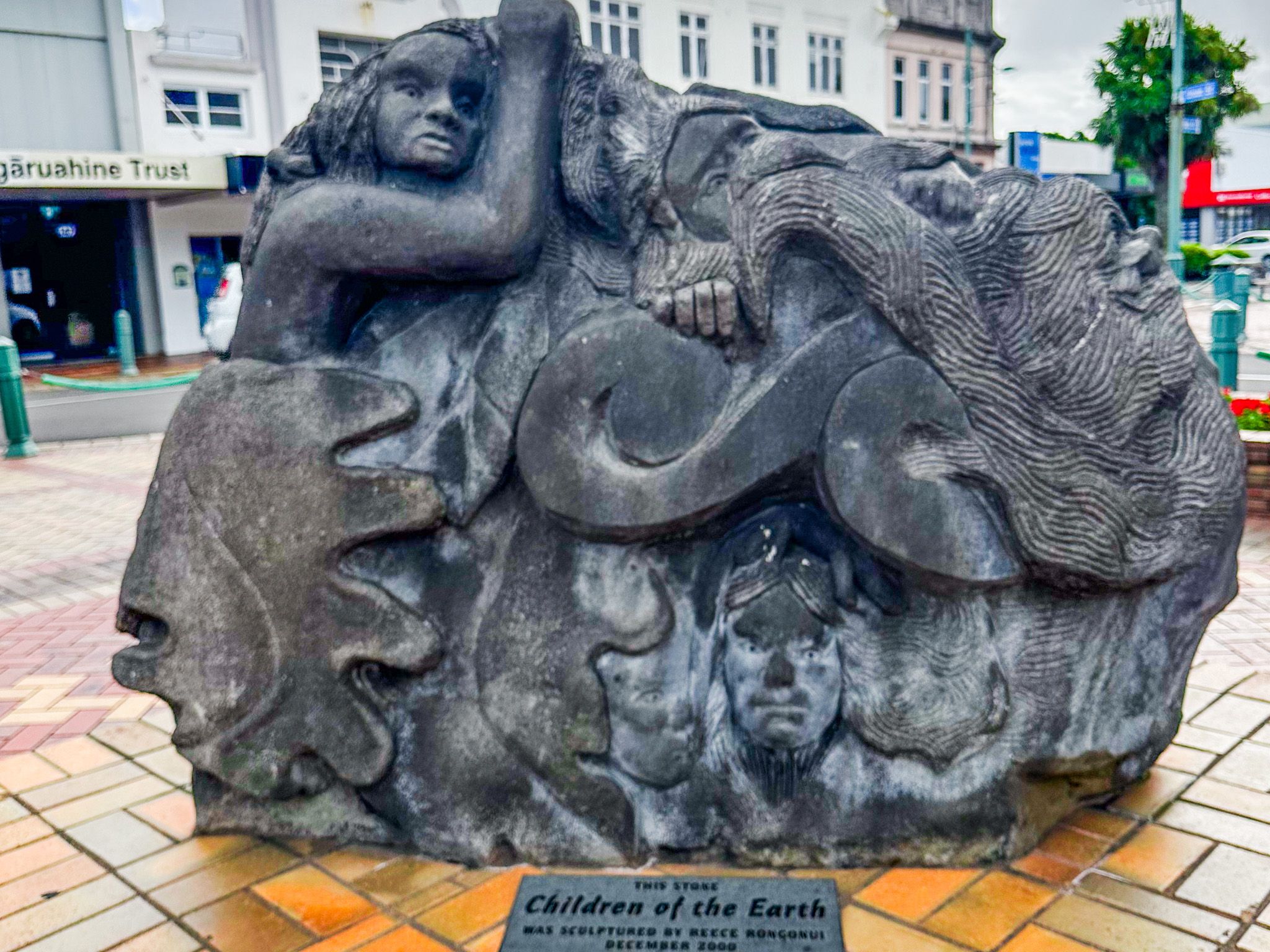
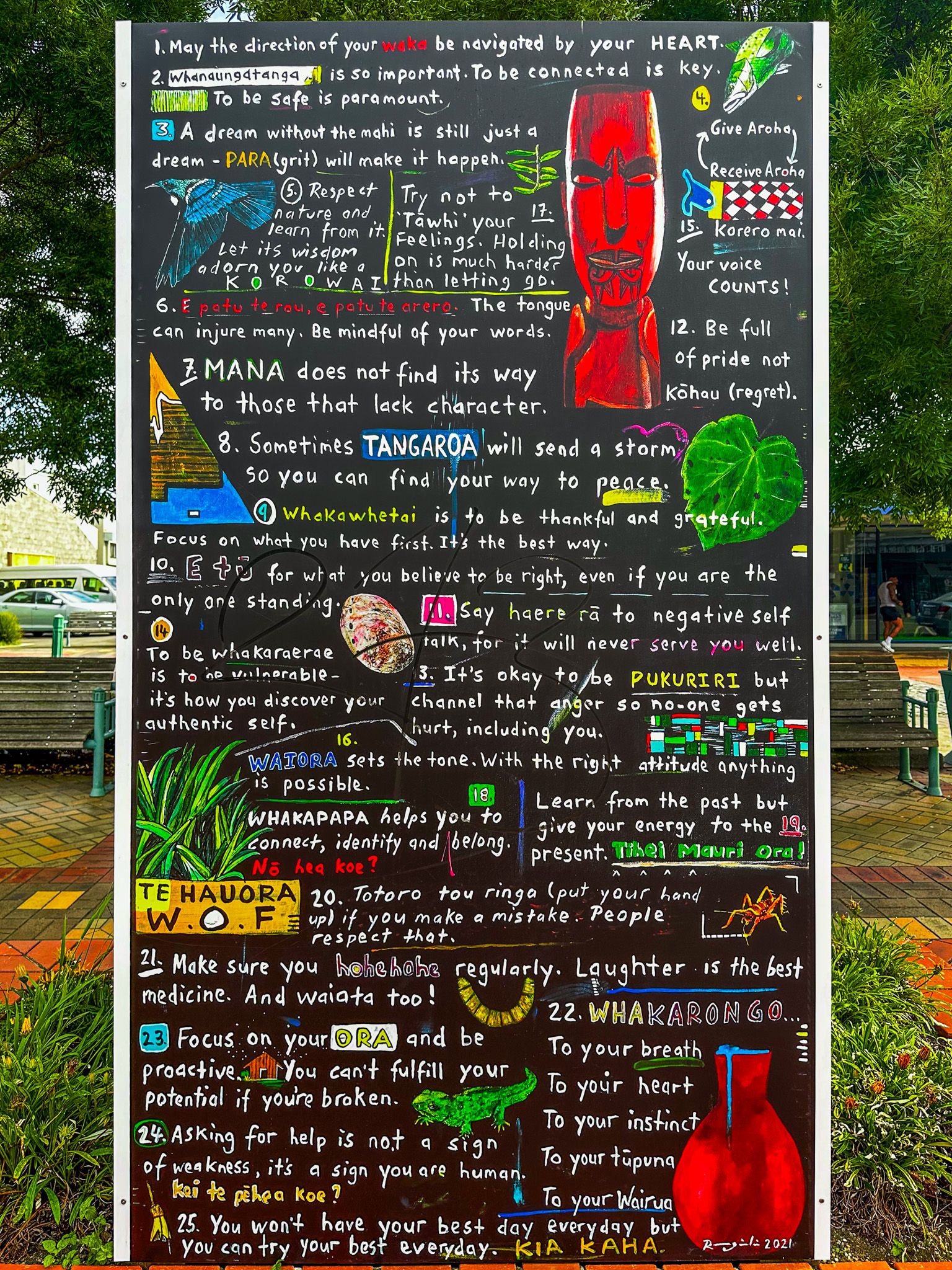
The High Street and Princes Street precinct form the more historic town centre. The west side of Princes Street retains a row of period buildings, including a classical Bank of New Zealand with Ionic columns and a fine glazed roof light in the banking chamber. The Art Deco building on High Street, opposite the end of Union Street, was designed in the 1930s, and its curved exterior forms an interesting focal point along the Union Street vista. At the corner of High Street and Union Street, look out for a group of public artworks, including the Children of the Earth sculpture. The Lysaght Watt Gallery on Union Street shows work by local and regional artists.
Tawhiti Museum
On the southern outskirts of town on Ohangai Road, Tawhiti Museum is widely regarded as New Zealand's finest private museum. It was founded in 1975 when former art teacher Nigel Ogle purchased an old cheese factory with the idea of building a museum around South Taranaki's history.
Over four decades, Ogle has hand-crafted thousands of life-sized and miniature figures, many cast from moulds of real people, and arranged them into extraordinarily detailed dioramas covering Māori settlement, the Musket Wars, and early European farming and trade. The Traders and Whalers exhibit takes visitors by small boat through a recreated 1820s coastal environment depicting the early flax and gun trade. The Tawhiti Bush Railway operates on selected days. A workshop lets you see exhibits being made, and Mr Badger's Café provides coffee and lunch. Check the museum's website for seasonal opening hours before visiting.
Early History
The Hāwera district lies within the rohe of Ngāti Ruanui, the principal iwi of South Taranaki. An older Māori name for the area was Tau-patatē, referring to the patatē or seven-finger tree. European settlement followed the establishment of a military post in 1866 during the Musket Wars, and the township grew around a military blockhouse in the early 1870s.
The significant Ngāti Ruanui marae of Taiporohēnui lies north-east of the town, with its wharenui Whareroa. The Turuturu Mōkai pā complex on Turuturu Road is one of the most notable pre-European fortified sites in the region.
Parks and recreation
King Edward Park and Naumai Park are the two main green spaces in Hāwera and are linked by a 30-minute walk through the town centre. The two parks each have their own character, and together they give the town depth of public green space for a place of its size. The town also has a skate park adjacent to the water tower and a swimming pool with a hydroslide.

How to Get There
Hāwera is on State Highway 3, 75 km south of New Plymouth and roughly 90 km north-west of Whanganui. From New Plymouth, follow SH3 south through Inglewood and Stratford; the drive takes about one hour. From Whanganui, take SH3 northwest. Hāwera is also on State Highway 45 (Surf Highway 45), which runs along the Taranaki coast and connects the town to the surf beaches and coastal communities to the north.
Nearby places to visit include Waihi Beach, Ōhawe Beach and Kāpokonui Beach.