Exploring Riccarton Bush
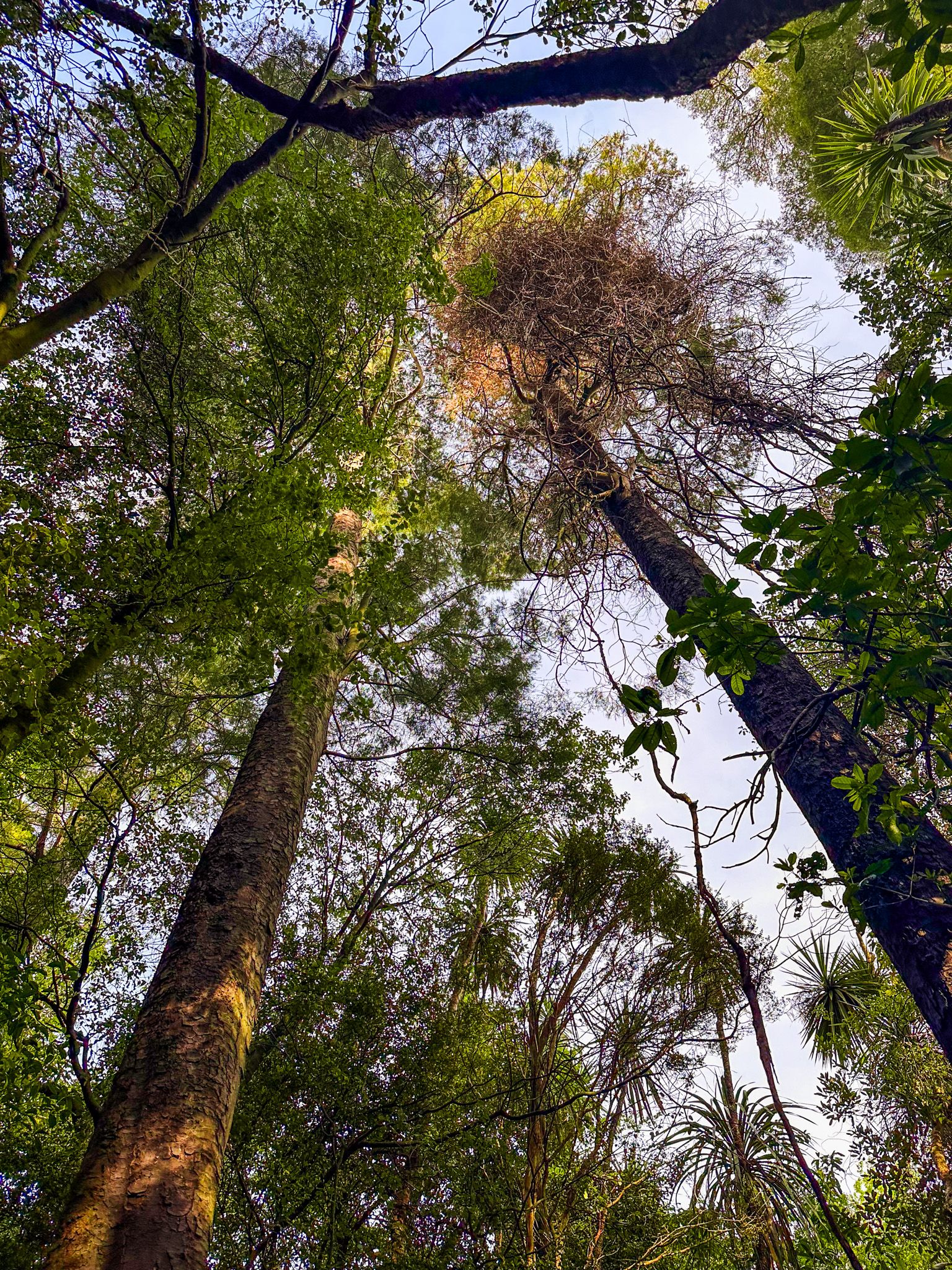
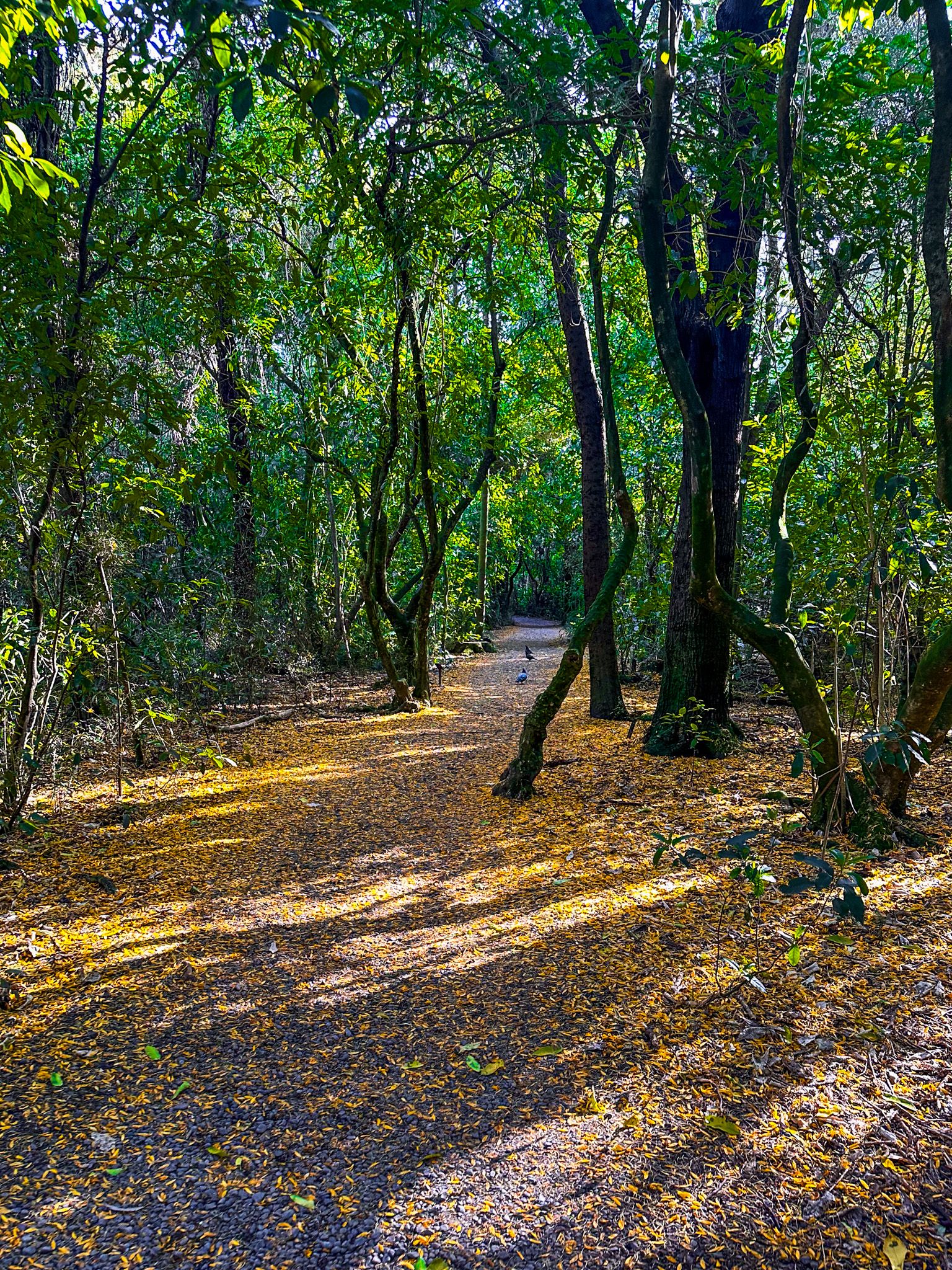
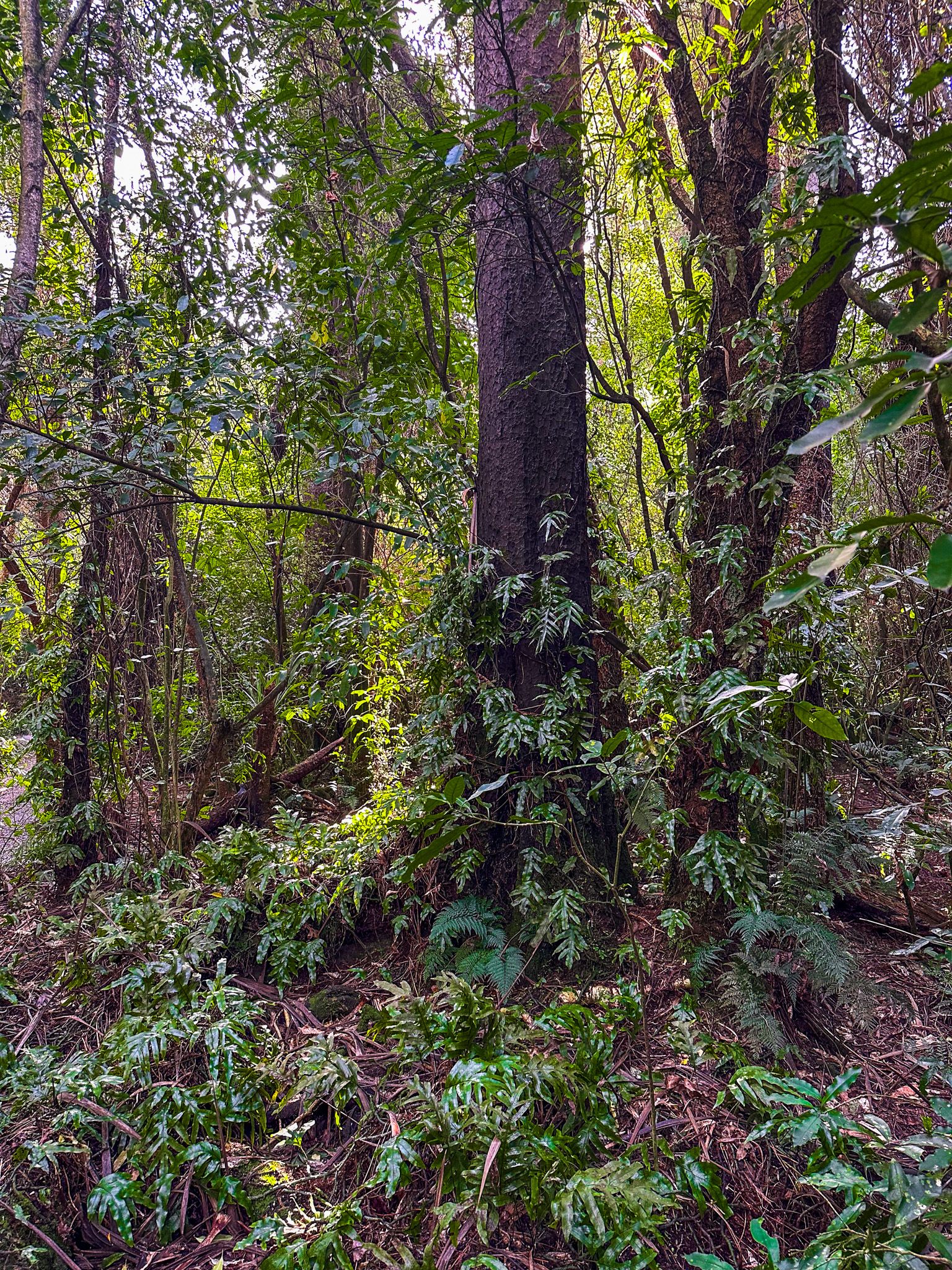
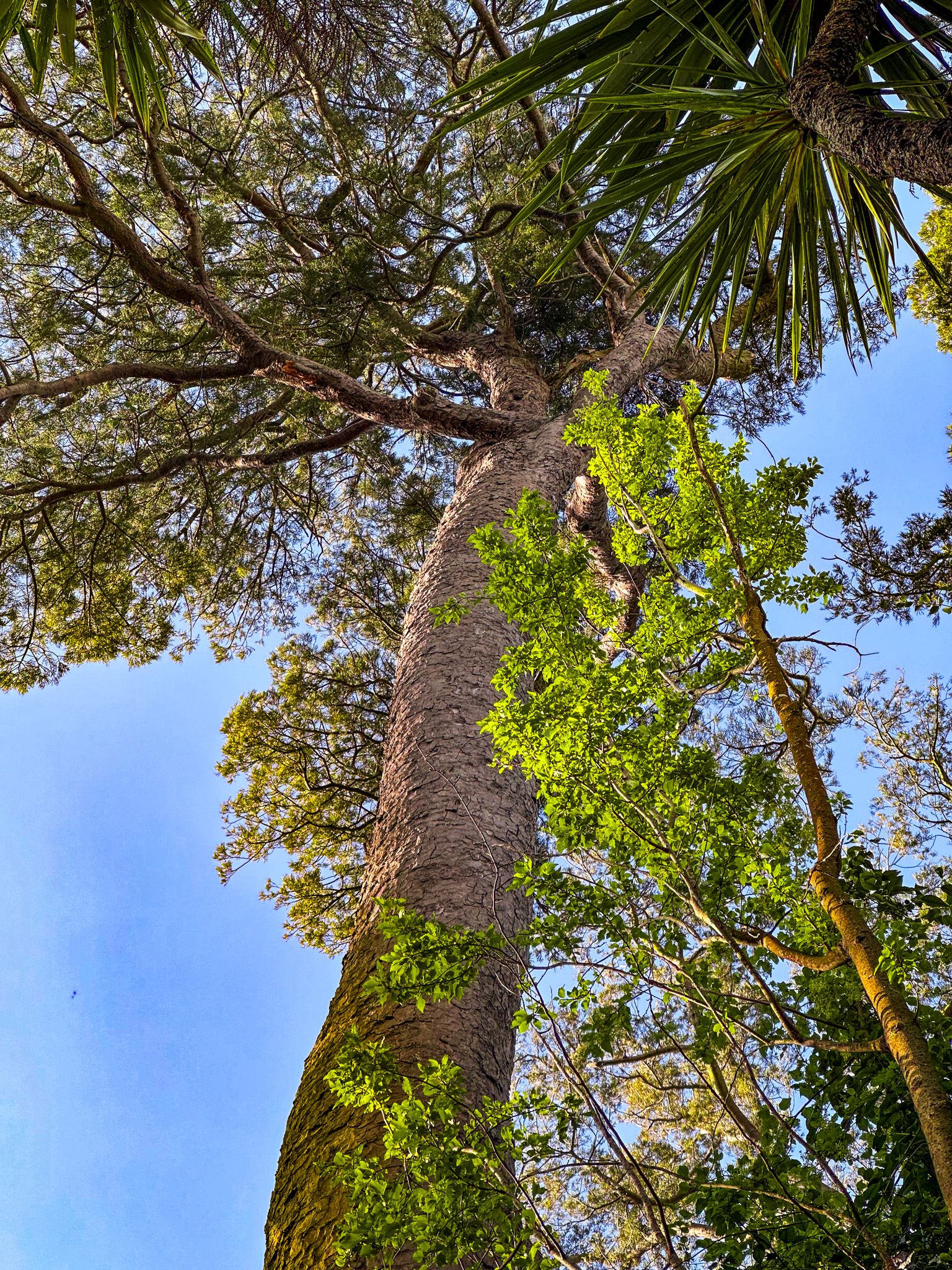
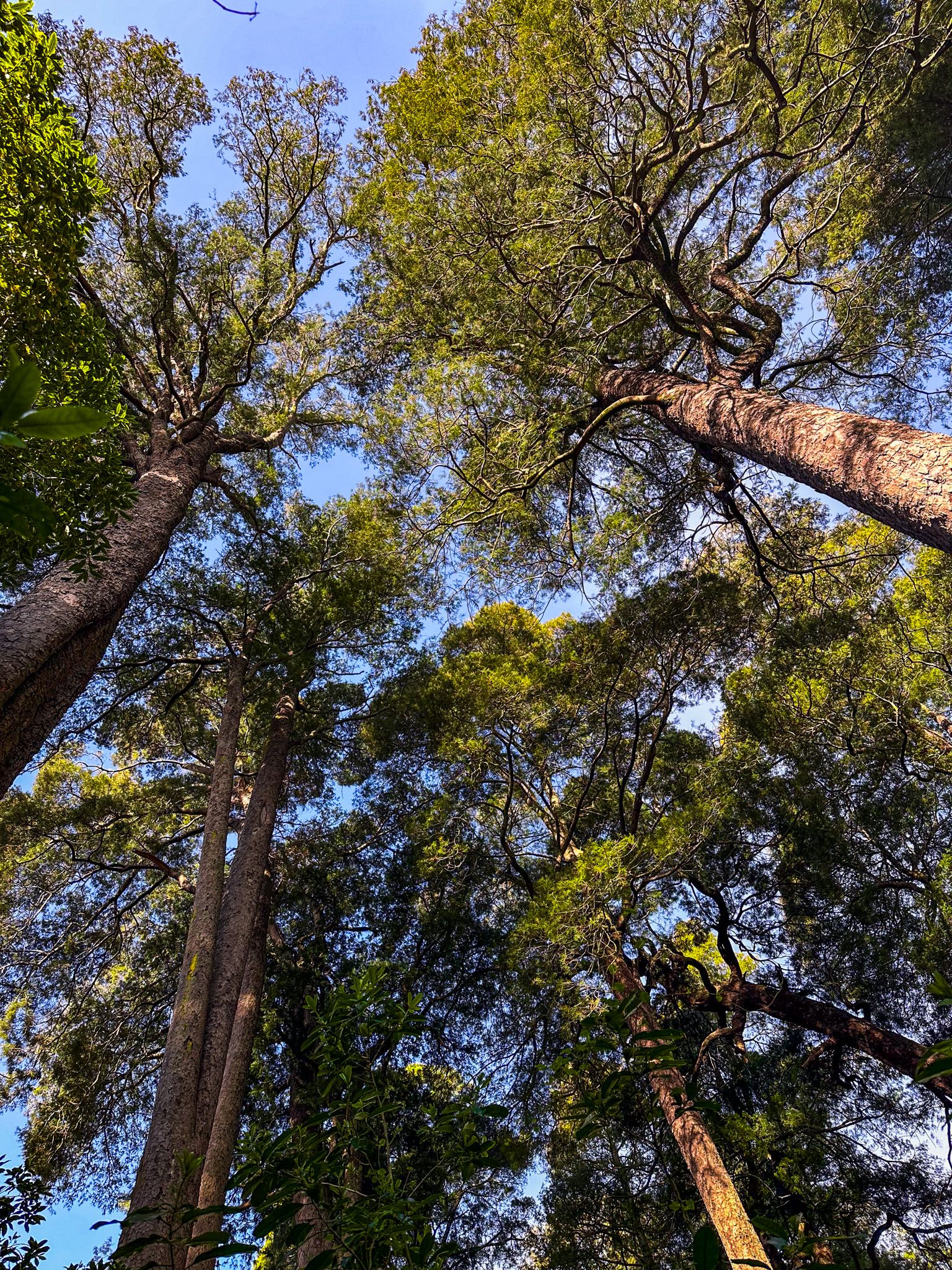
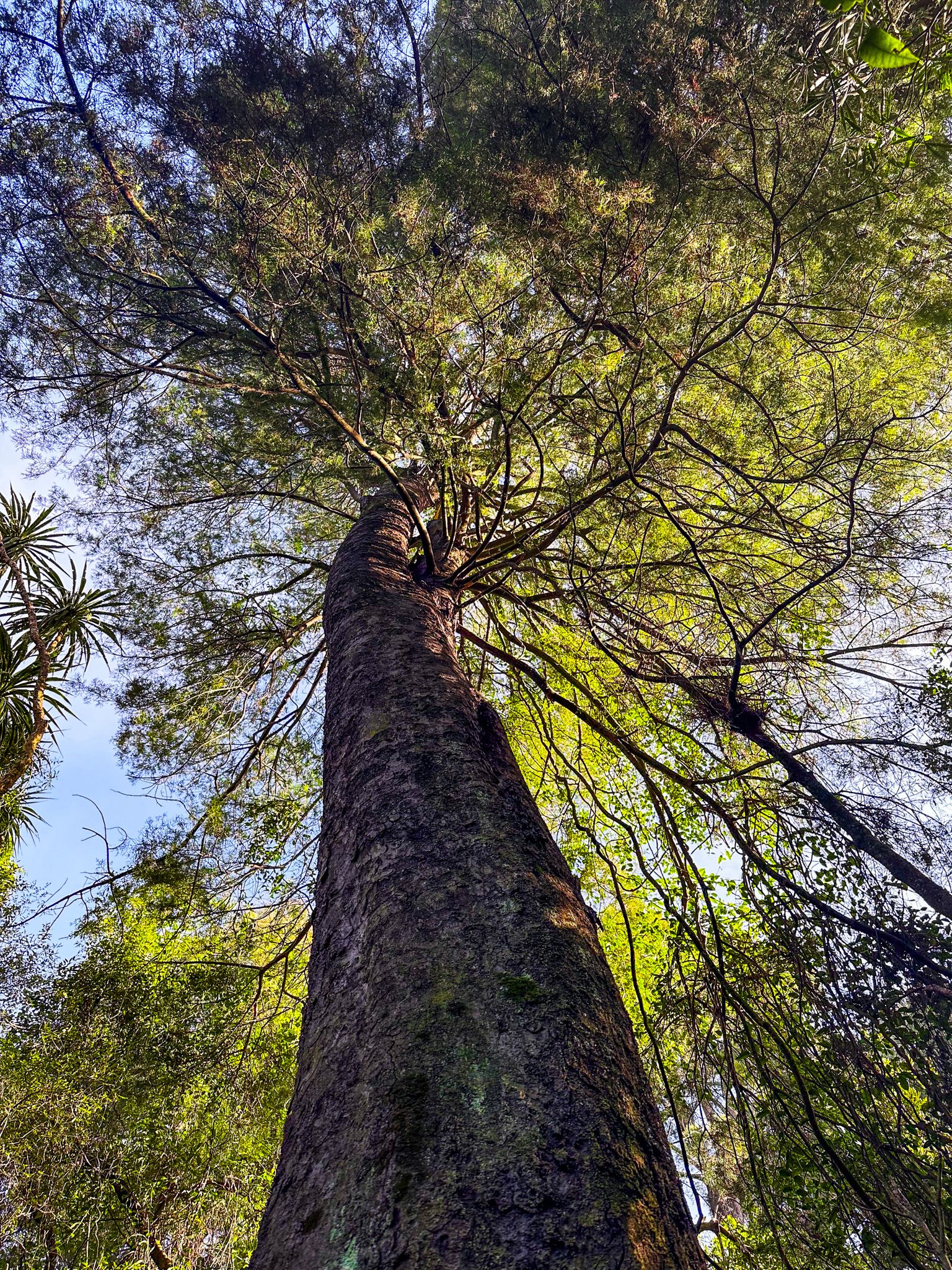
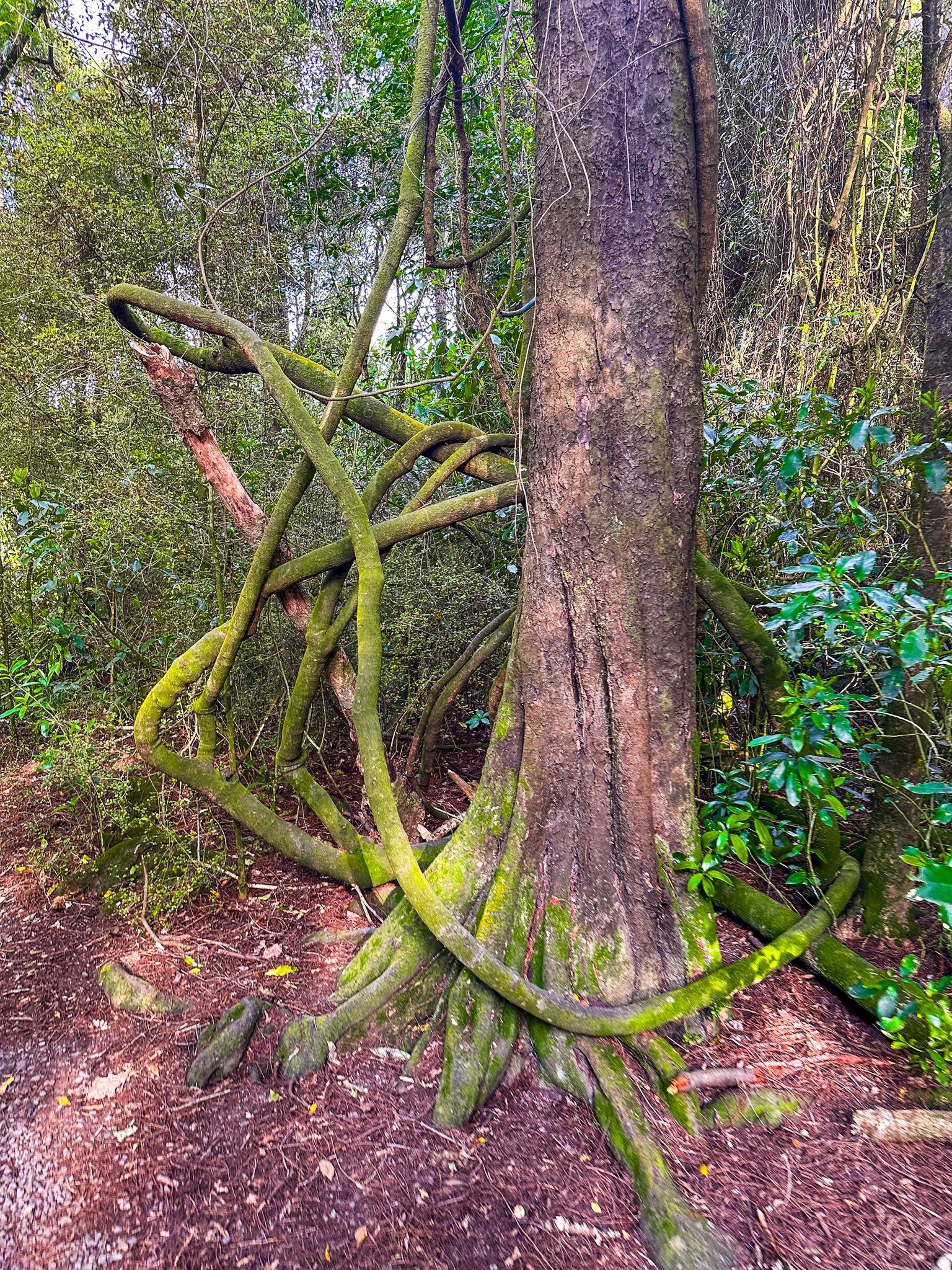
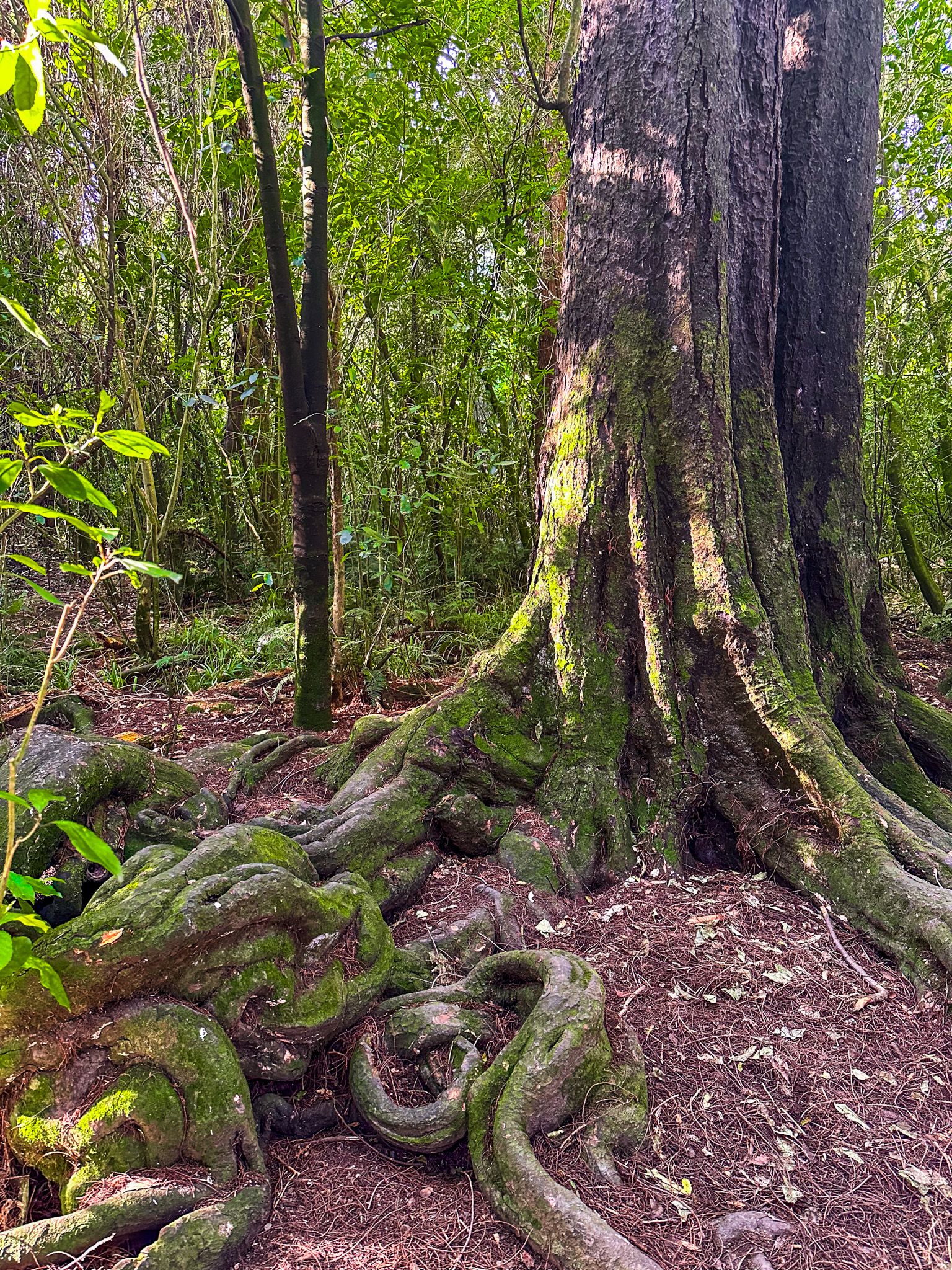
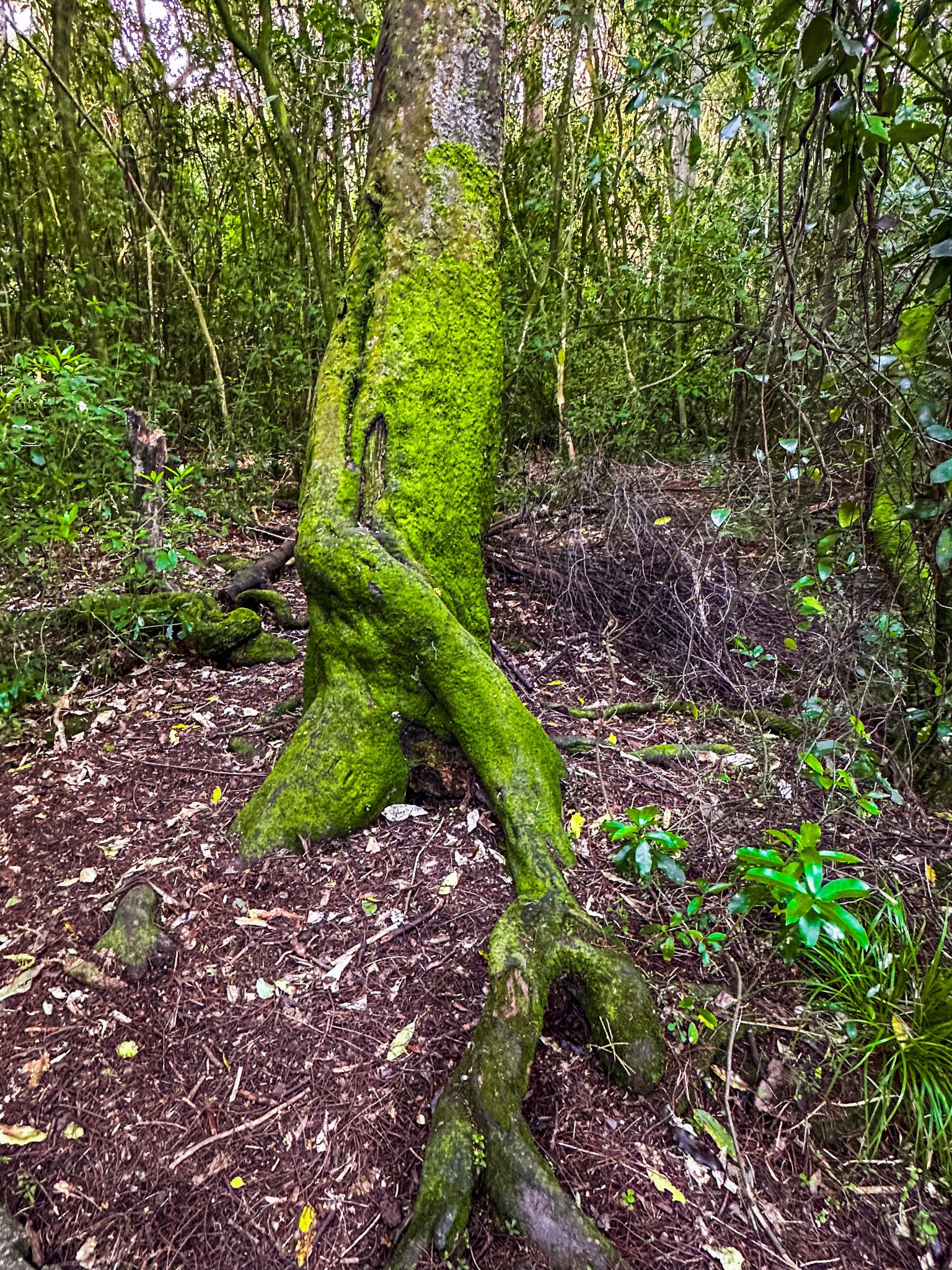
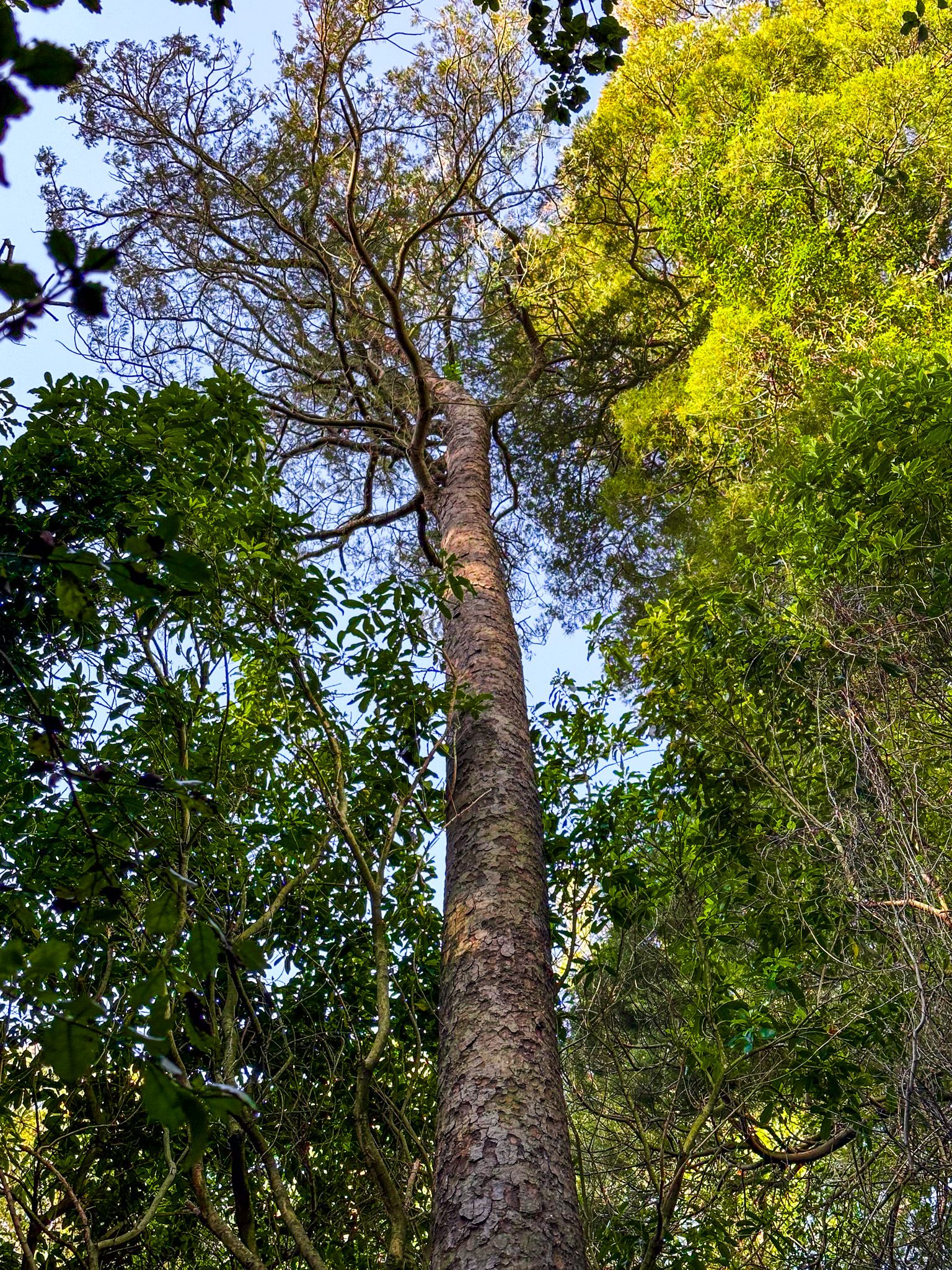
Riccarton Bush, located in the suburb of Riccarton in Christchurch, is a fascinating blend of early settler history and beautiful forest. This area is home to historic Riccarton House, the Ilam Stream, and a rare remnant of ancient forest, making it a unique destination in Christchurch. The forest, known as Pūtaringamotu, is a chance to explore towering kahikatea trees within a predator-proof fence, providing a fantastic 40-minute walk.
A Journey Through History and Nature
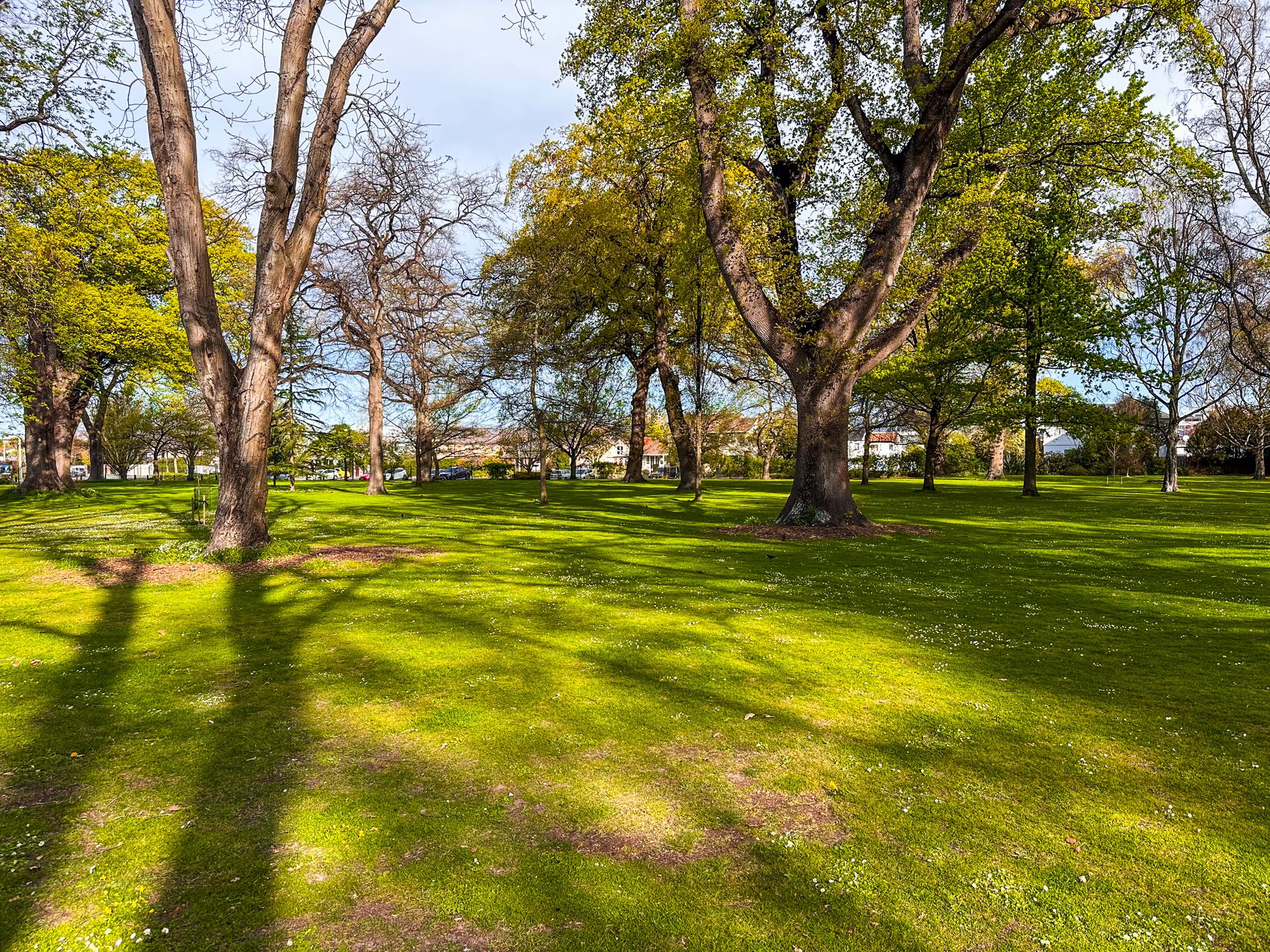
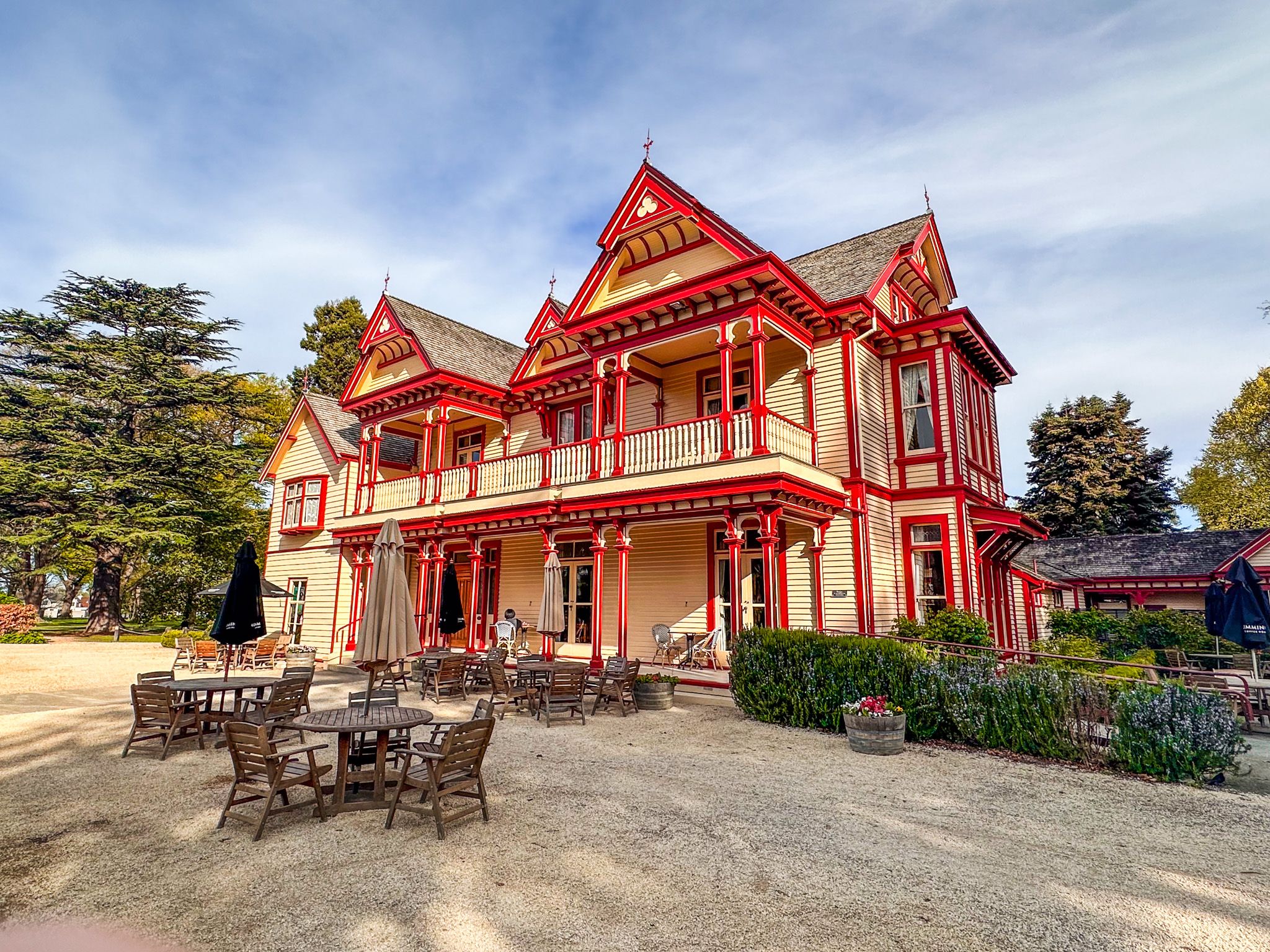
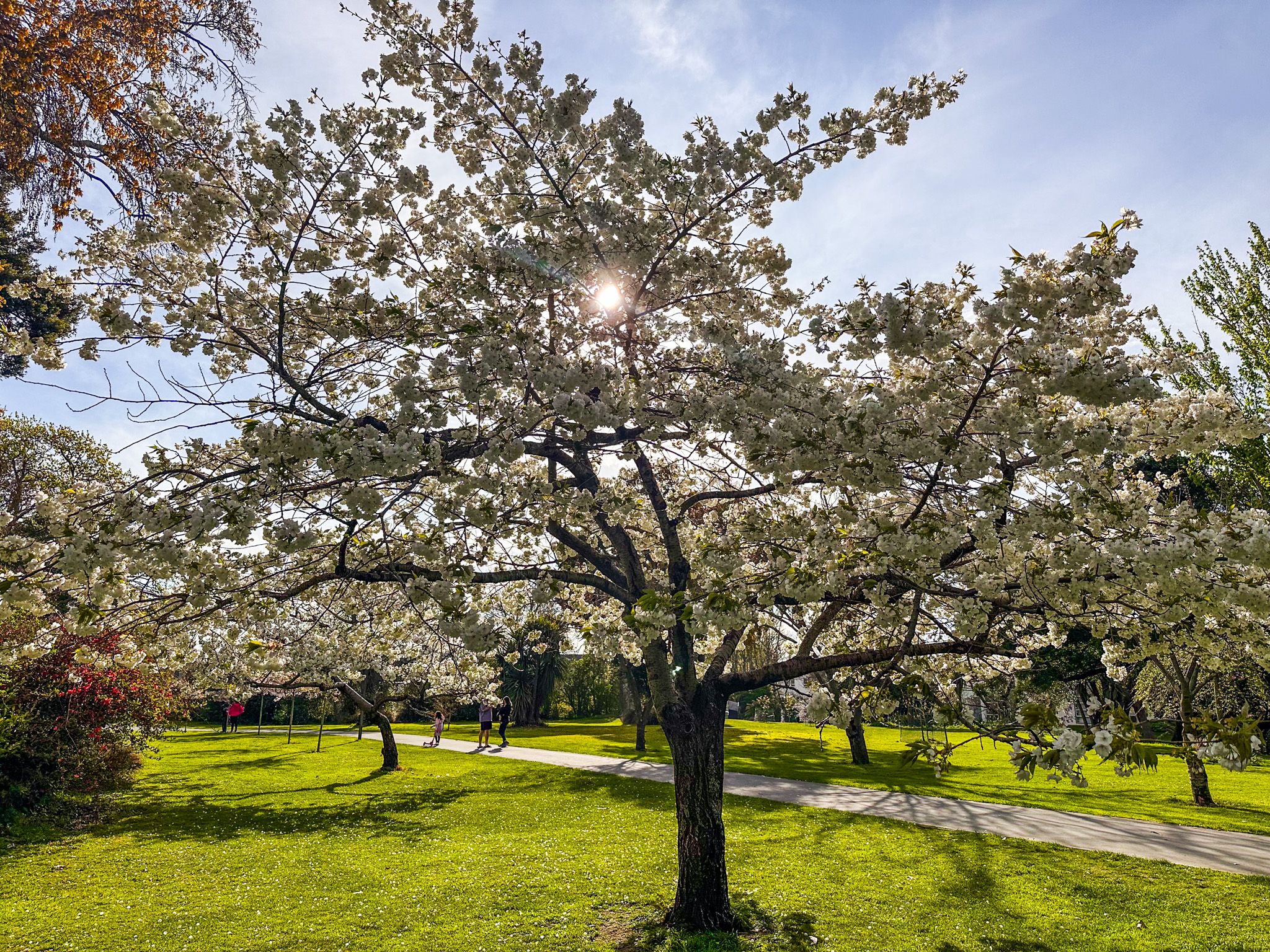
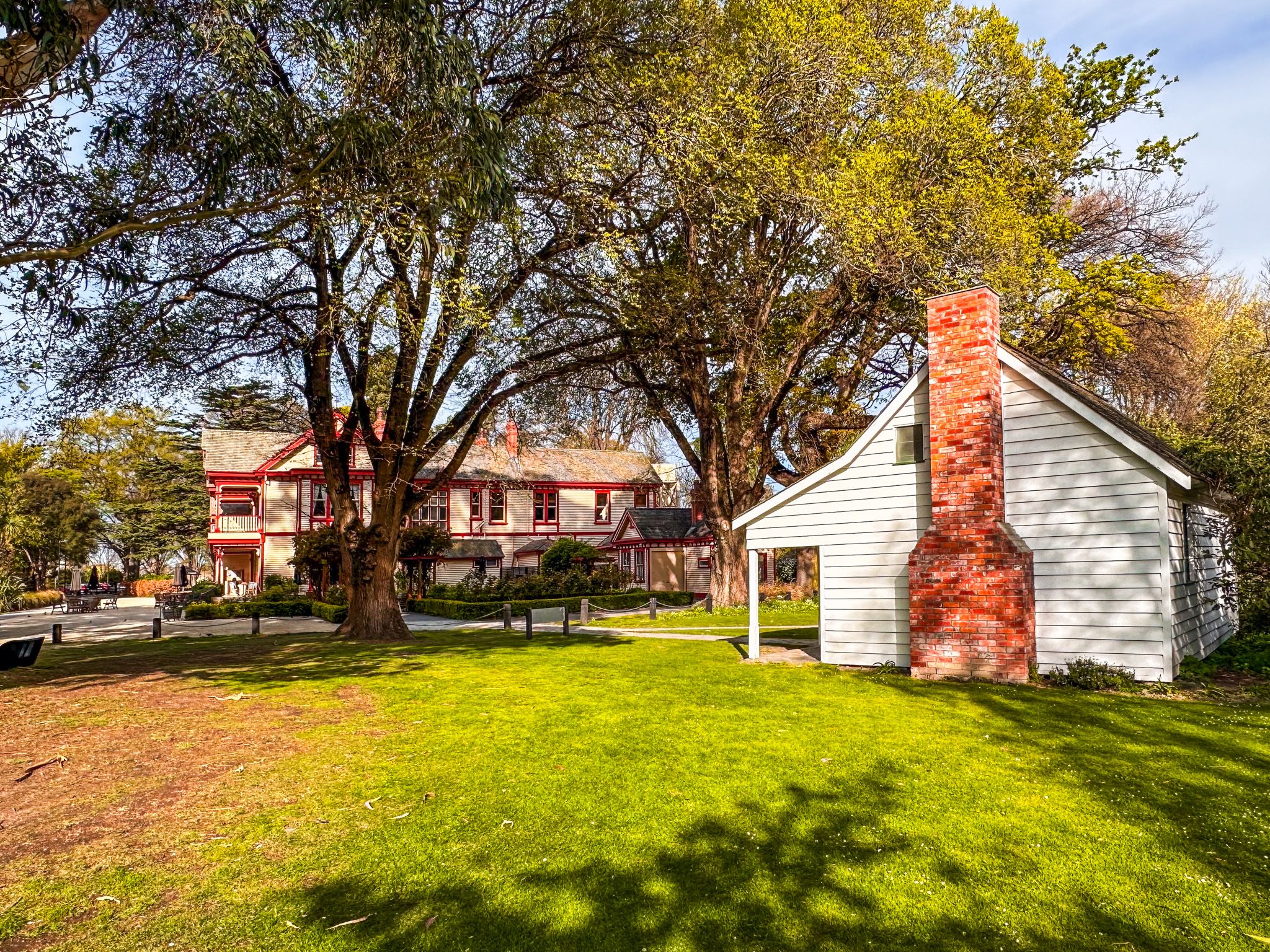
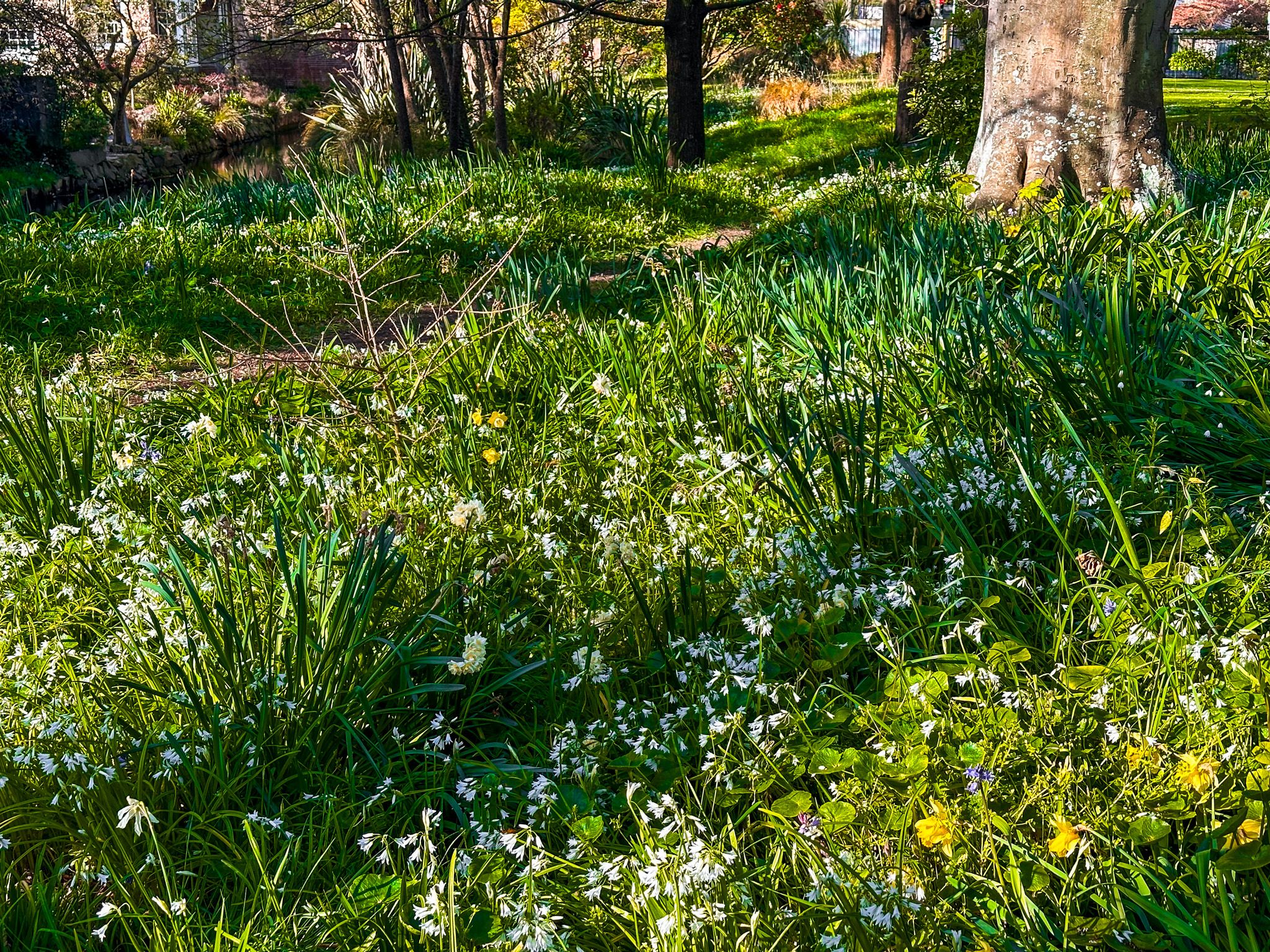
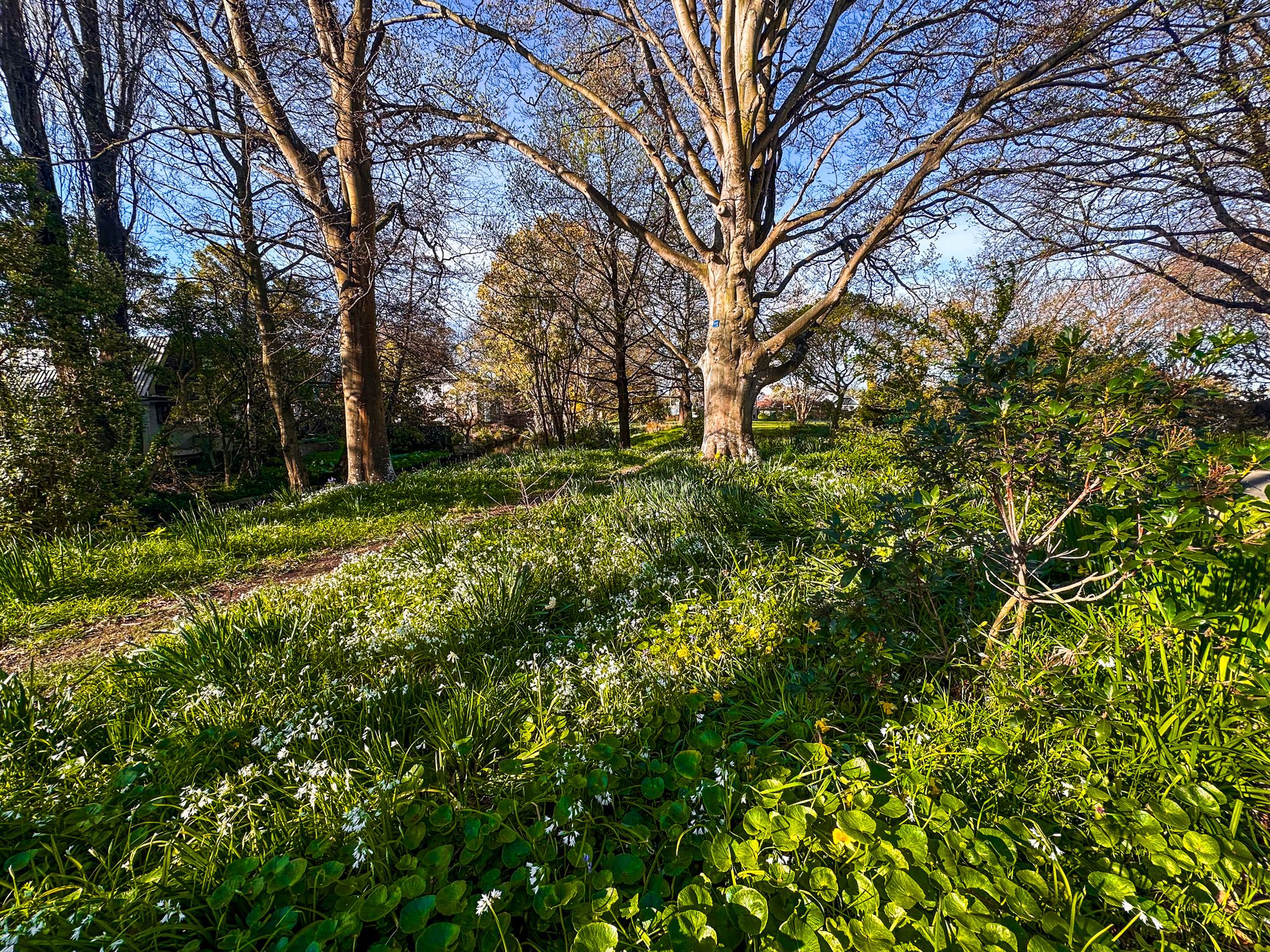
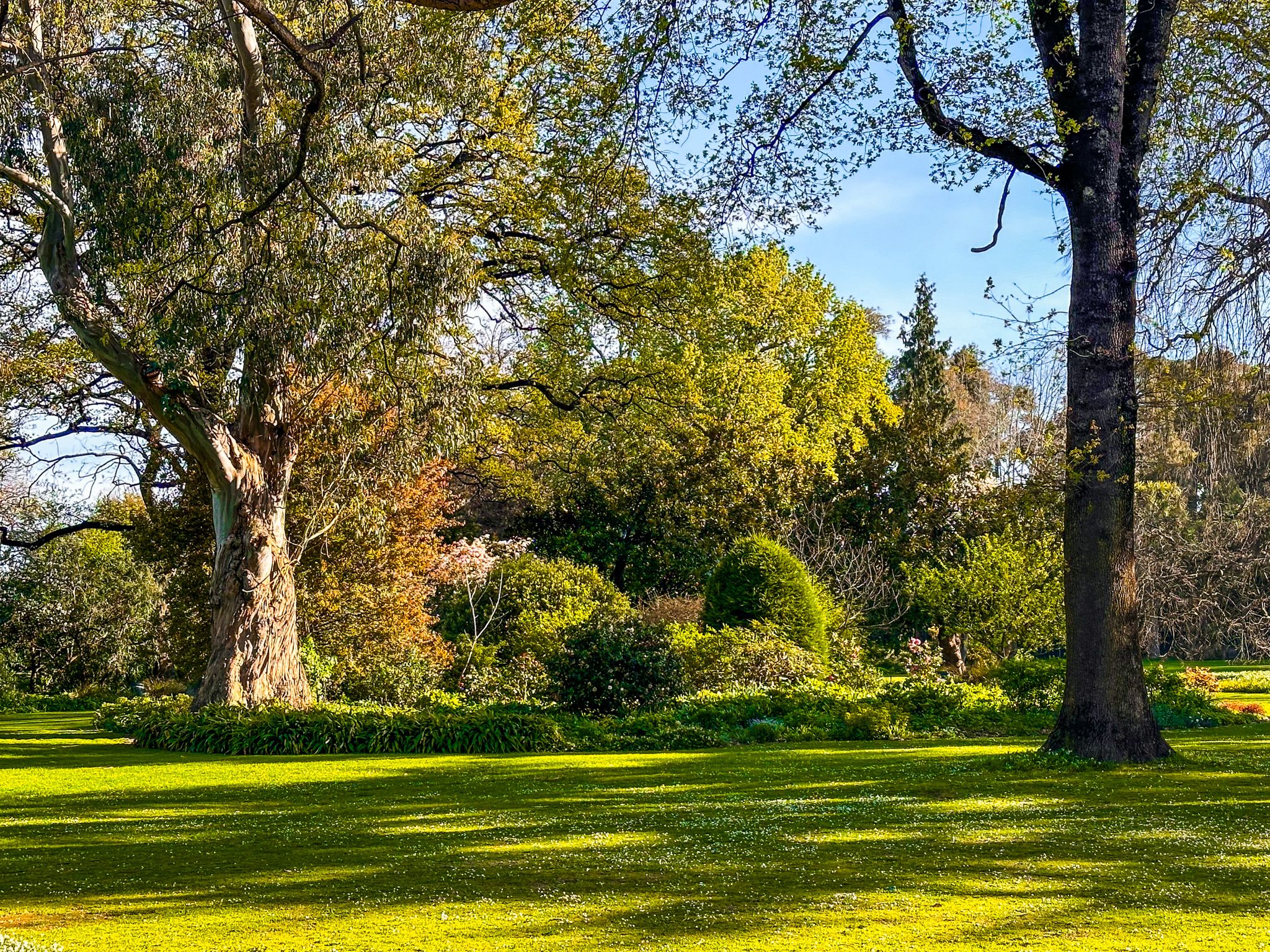
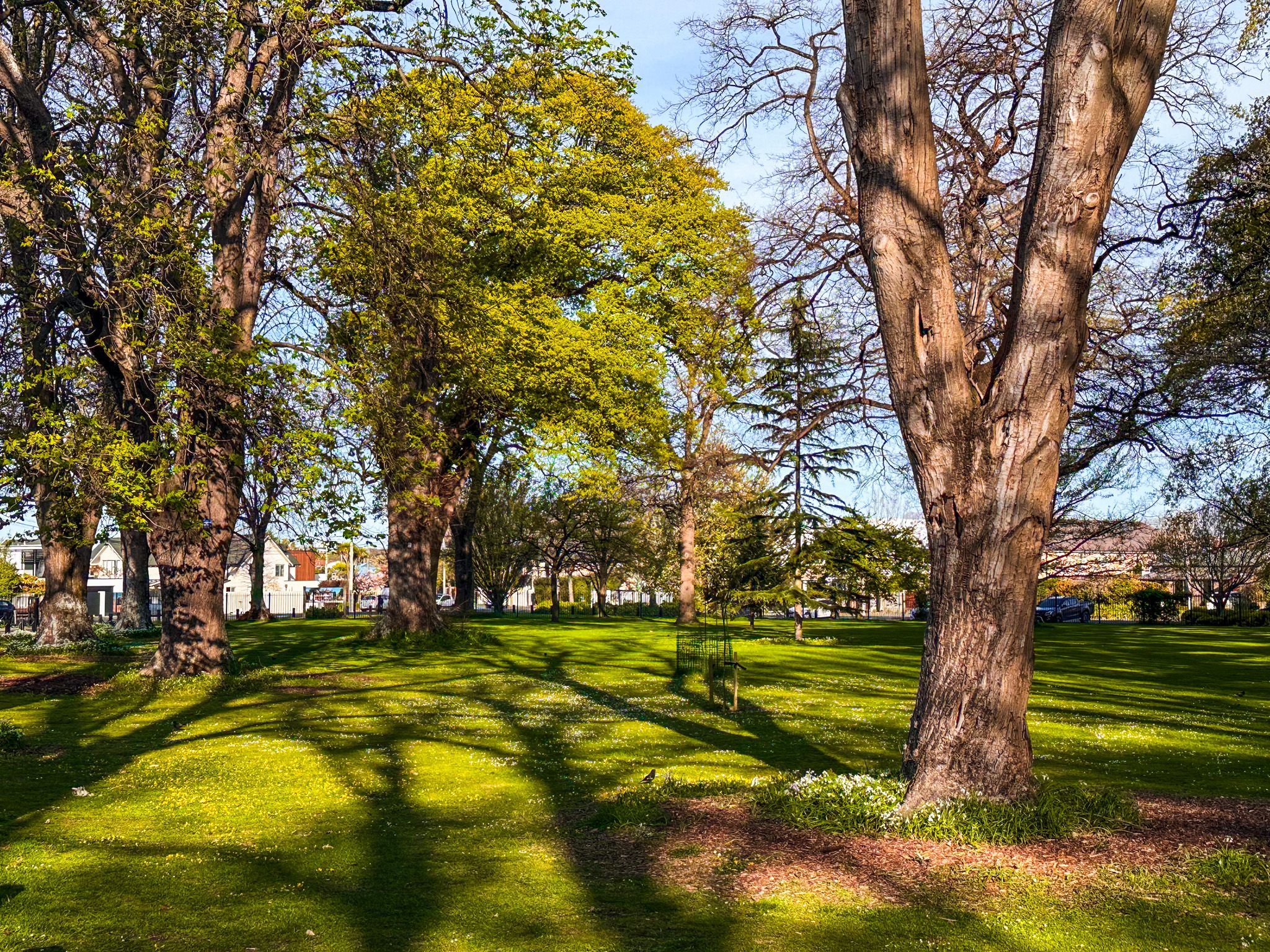
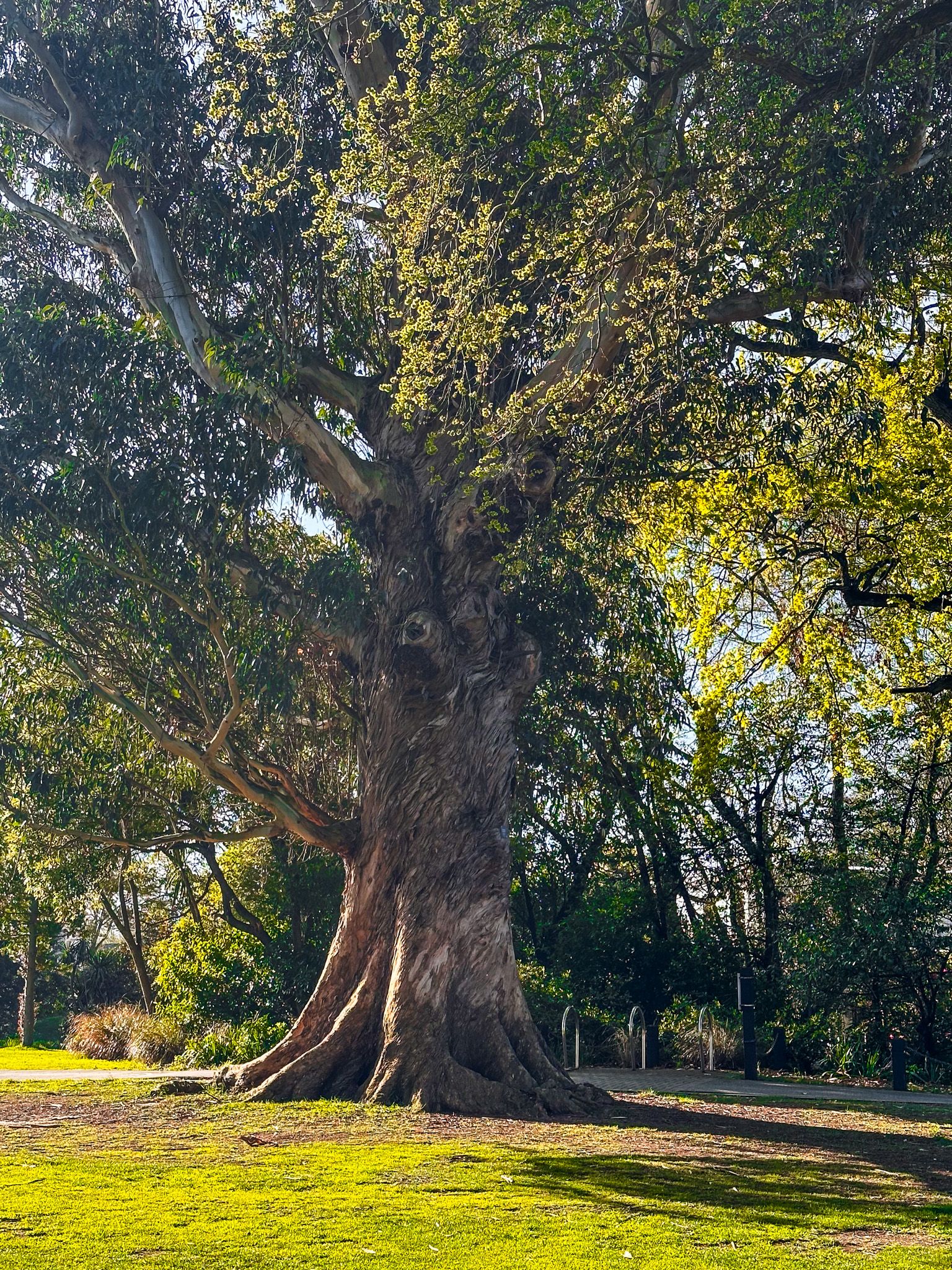
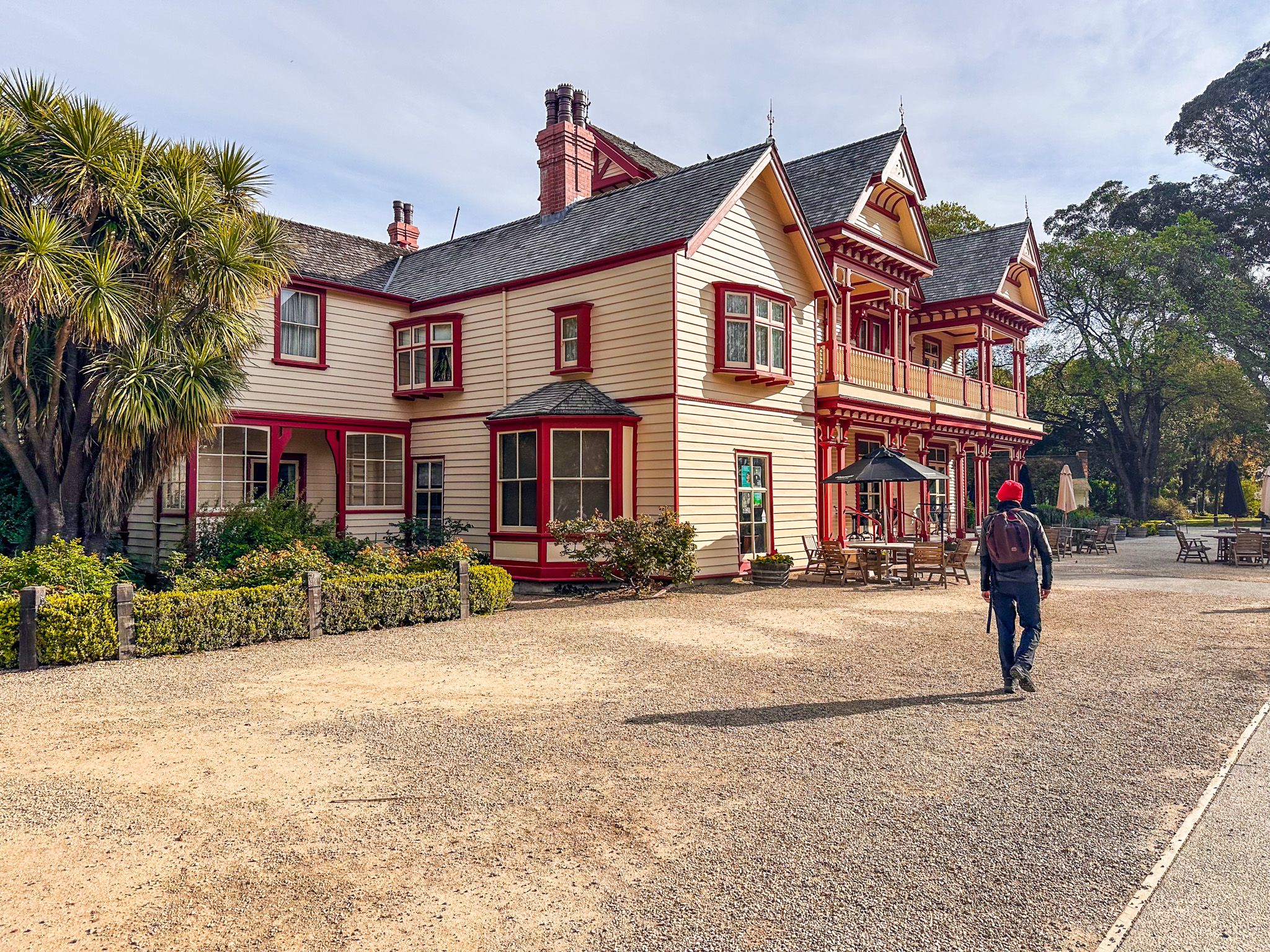
The Riccarton estate is accessible from Ngaere Road, with entrances on both the east and west sides of the forest. The eastern approach takes you through a park-like area filled with mature exotic trees and vibrant spring flowers, leading to Riccarton House. This historic house stands as a gateway to the forest and offers a perfect spot to relax with a drink or meal after your walk.
Pūtaringamotu holds significant historical value as the first location selected by European settlers in the Christchurch area. The kahikatea forest, one of only four remnants on the Canterbury Plain, distinguished it from the surrounding swamps. The name Pūtaringamotu, meaning "the place of an echo" or "the severed ear," reflects its isolated nature. While other forest remnants around Christchurch were cut down for timber and firewood in the 1800s, this area was preserved.
The Deans Brothers and the Development of Riccarton
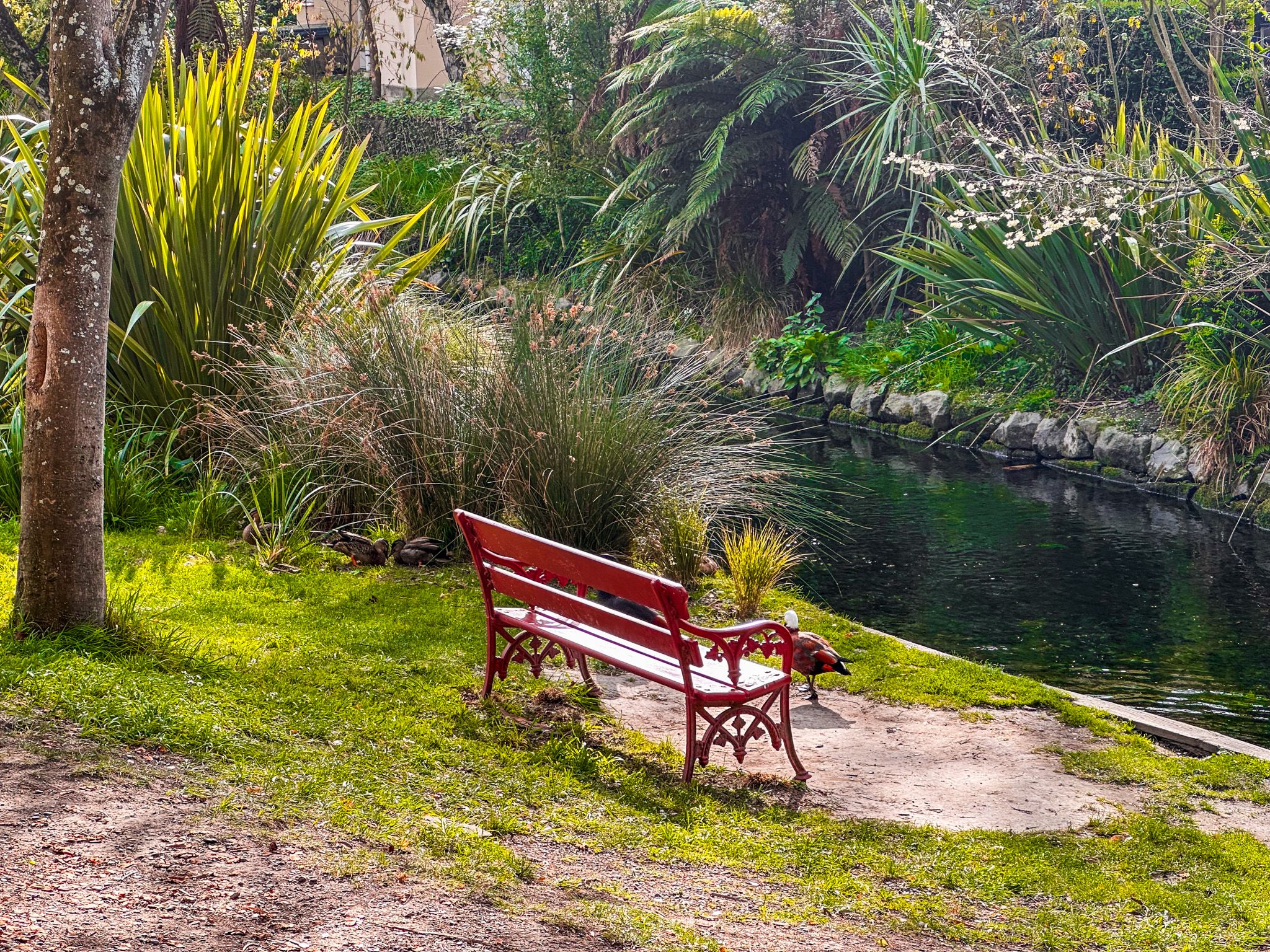
In 1840, settlers first arrived at Pūtaringamotu to establish a farm, but left the following year. Later, in the late 1840s, Scottish brothers William and John Deans discovered the area and negotiated a lease with Ngāi Tahu to establish a farm. They named the 9, which Māori knew as Ōtākaro, after a stream near their grandfather's farm in Scotland. The area became known as Riccarton, named after their family’s estate in Ayrshire, Scotland.
The Canterbury Association's acquisition of wider landholdings in the region from Ngāi Tahu allowed the Deans to secure freehold land for part of their lease. They also signed an agreement to protect 22 hectares of ancient kahikatea forest, an early conservation action in New Zealand that provided the basis for the establishment of Pūtaringamotu. In 1850, the arrival of the first four ships marked the beginning of Christchurch's expansion.
Tragedy and Legacy
Despite securing their family's future, both William and John Deans passed away by the mid-1850s. Jane Deans, however, proved resilient, constructing the first stage of Riccarton House in 1856. The house underwent two expansions by 1900, blending Victorian and Edwardian styles. As Christchurch grew, the estate shrank, and in 1947, the house and remaining estate were purchased by Christchurch City. After earthquake damage in the 2010s, the house was repaired and now operates as a restaurant, with a market on Saturdays.
Conservation and Wildlife
Despite the early protection action, the forest was diminished, but in 1914, 6.4 hectares were formally protected under the Riccarton Bush Act. This forest has played a crucial role in New Zealand entomology, with insects studied and collected since 1859. Most of New Zealand's moths and butterflies can be found here, with at least one species unique to the forest. A predator-proof fence has been installed to facilitate the reintroduction of kiwi to the reserve.
How to Get There
Riccarton Bush is located near Central Christchurch. To reach it, drive through or around Hagley Park to Deans Avenue. From there, head west on Kilmarnock Street and continue straight onto Kahu Road. The entrance on Ngaere Road will be on your left. The drive takes about 10 minutes.
Central Christchurch has many other points of interest, with several featuring the Avon River. These include the Botanic Gardens, the Art Gallery, the Arts Centre, Victoria Square and the Margaret Mahy Family Playground.