Exploring Rawene
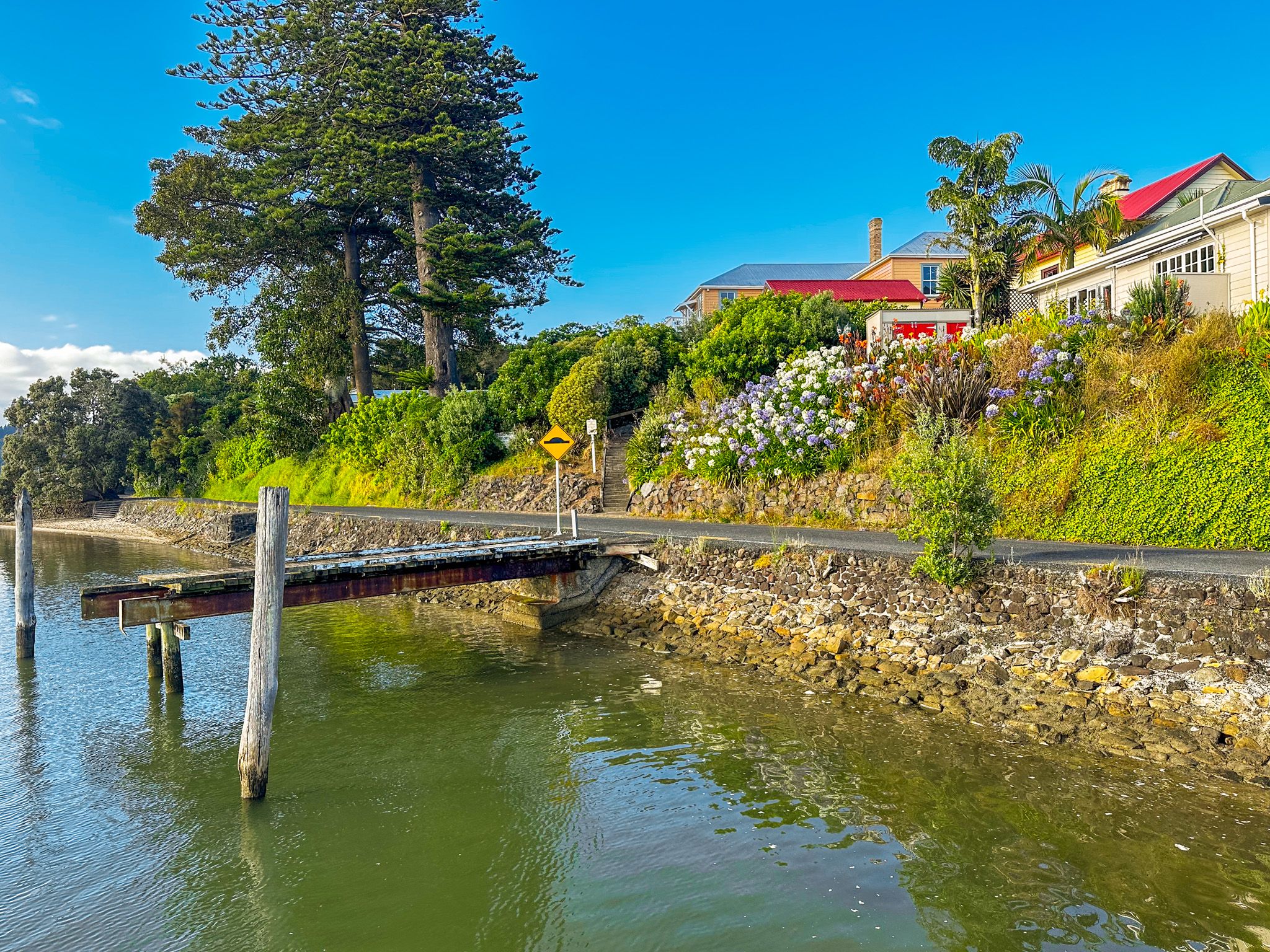
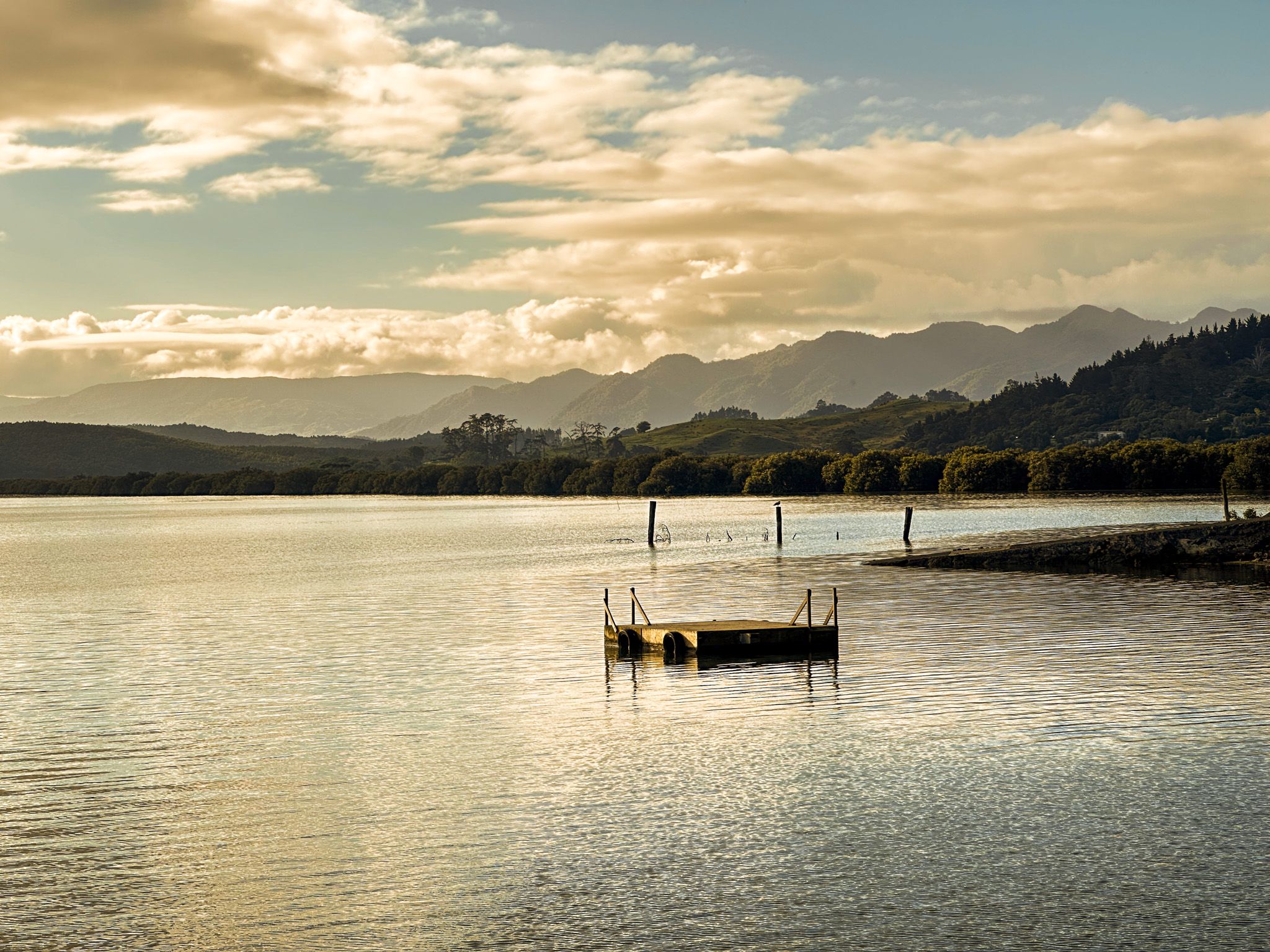
Rawene, a charming and historic town in Northland, New Zealand, is situated at the end of a peninsula that extends into the Hokianga Harbour. Surrounded by the Omanaia and Waima River mouths, Rawene offers stunning sunrise and sunset views over the harbour, making it a picturesque destination.
Historic Town and Ferry Access
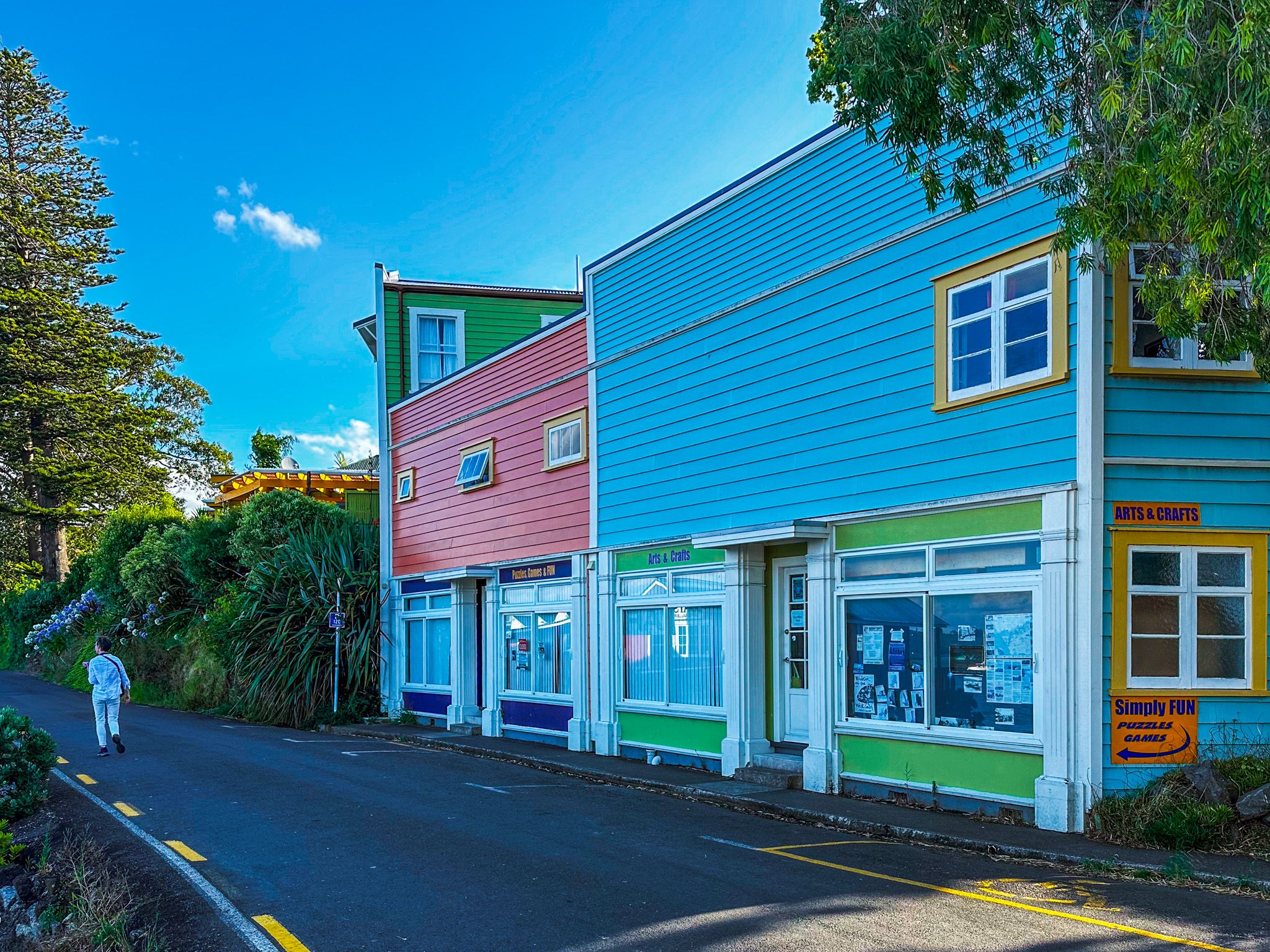
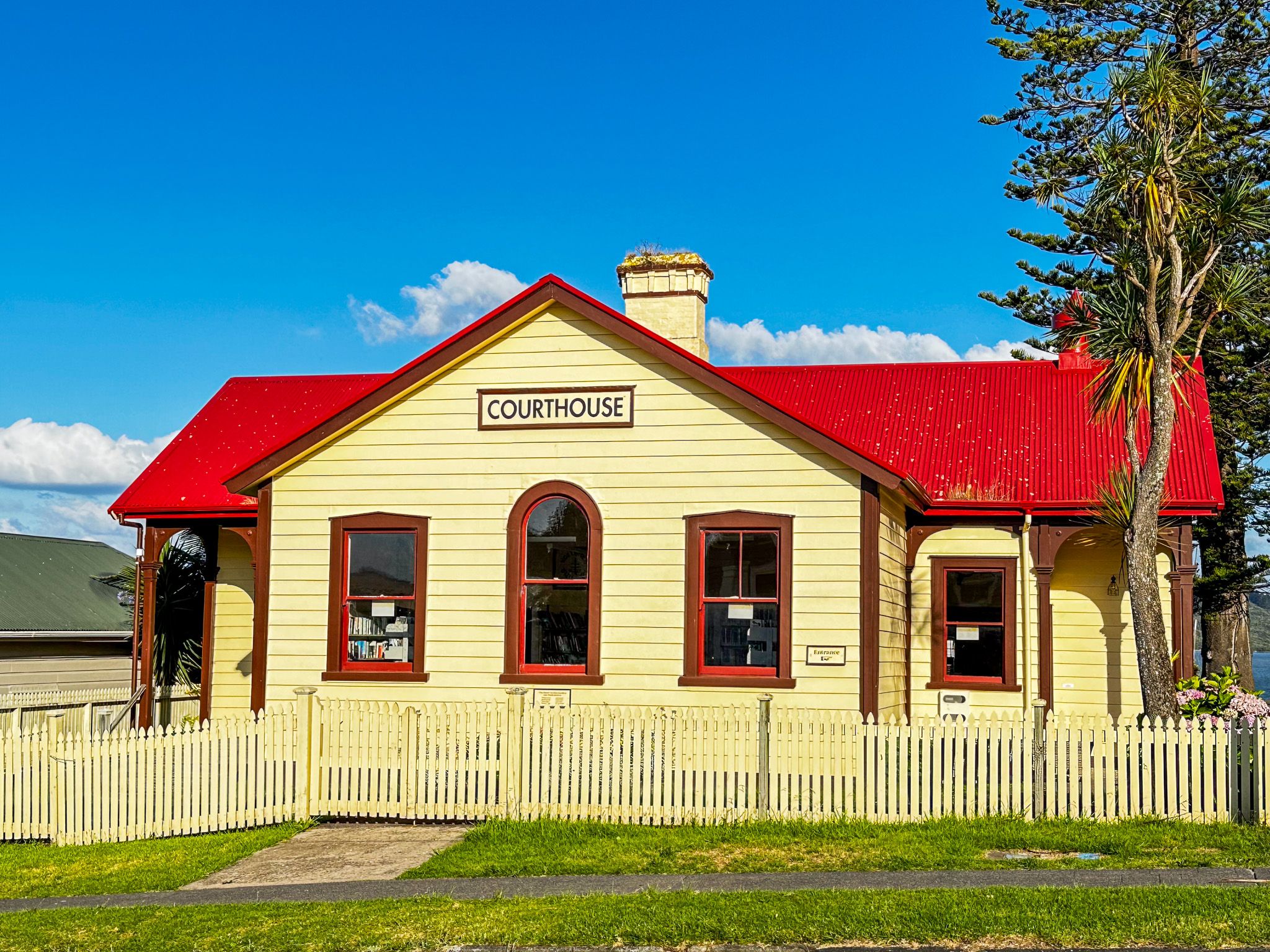
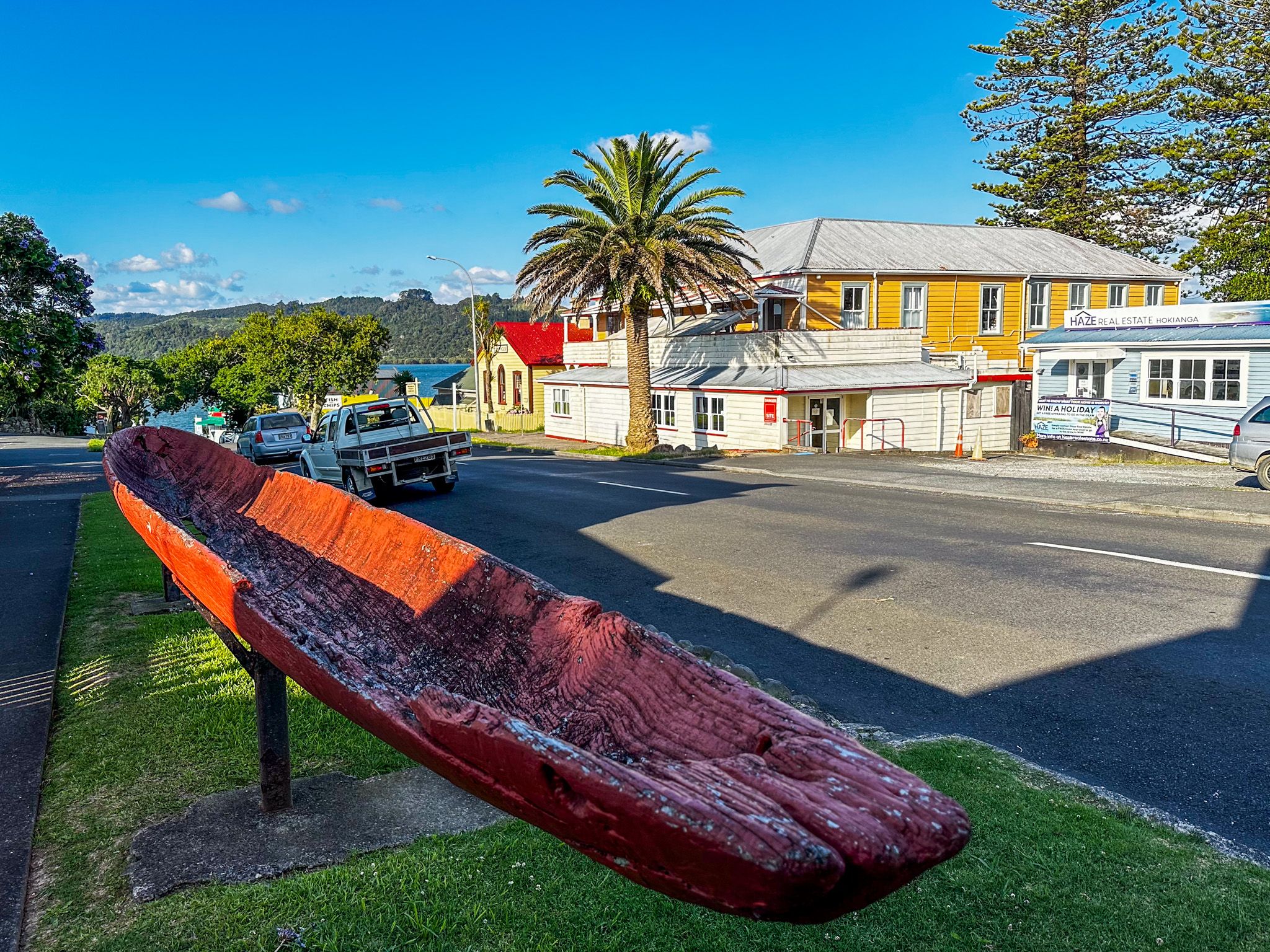
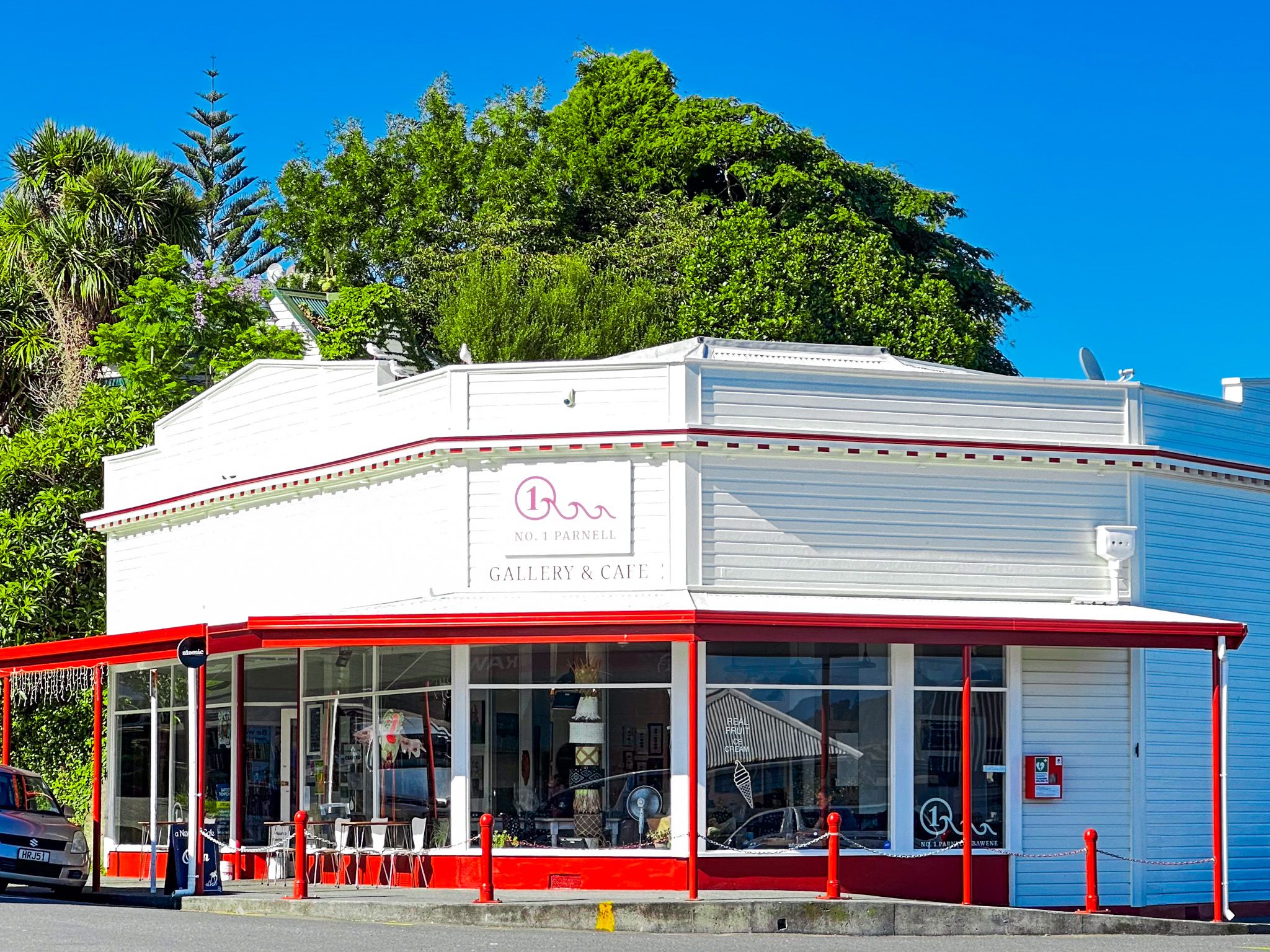
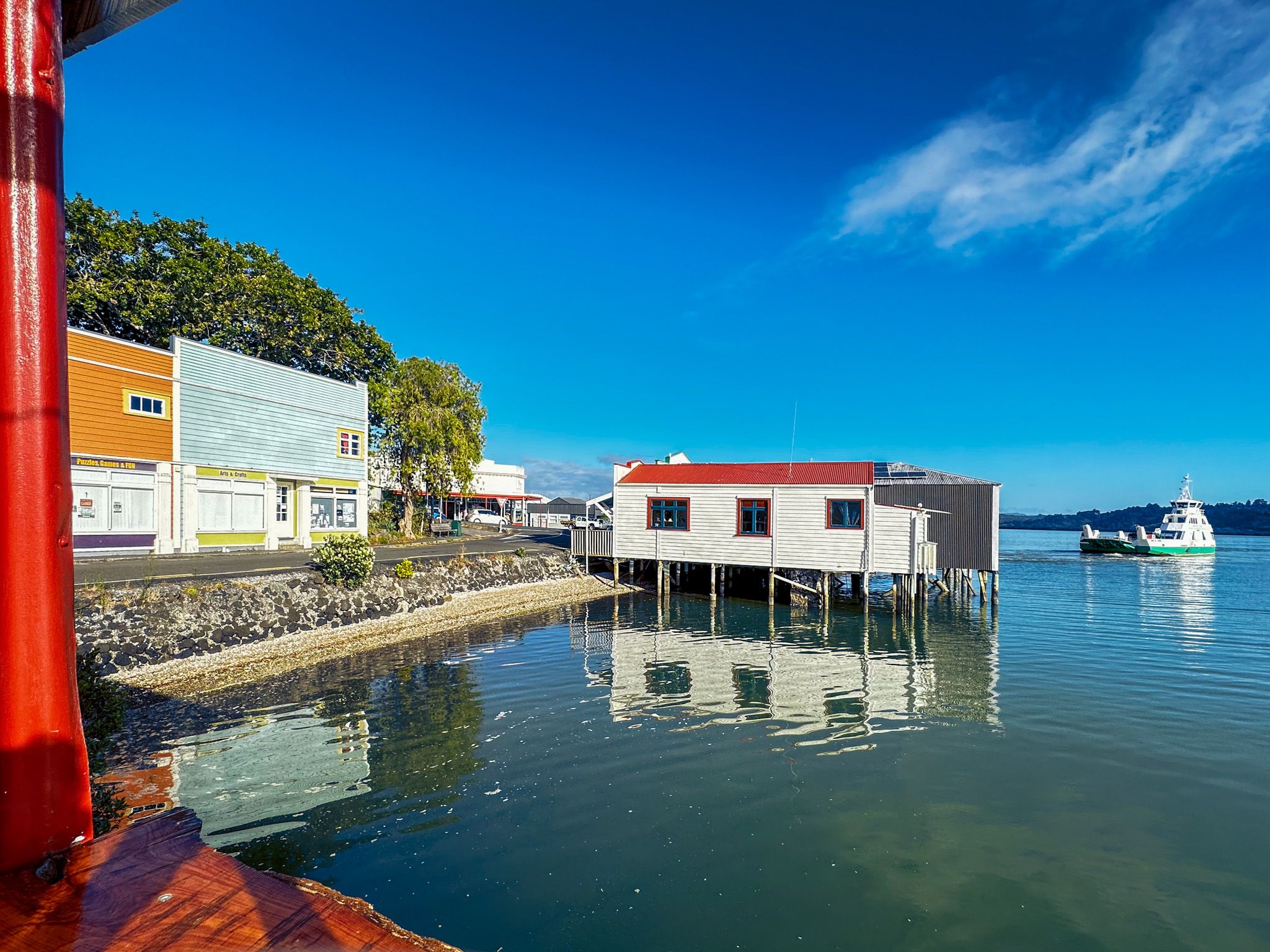
Rawene's small town centre is characterised by several charming pre-1900s wooden commercial buildings. These buildings house cafes, galleries and a couple of stores.
The town also features a wharf that supports the Rawene Ferry, which crosses the harbour to Kohukohu. This brief ferry journey is a highlight for those visiting the Hokianga.
Art, Cafes, and Mangroves
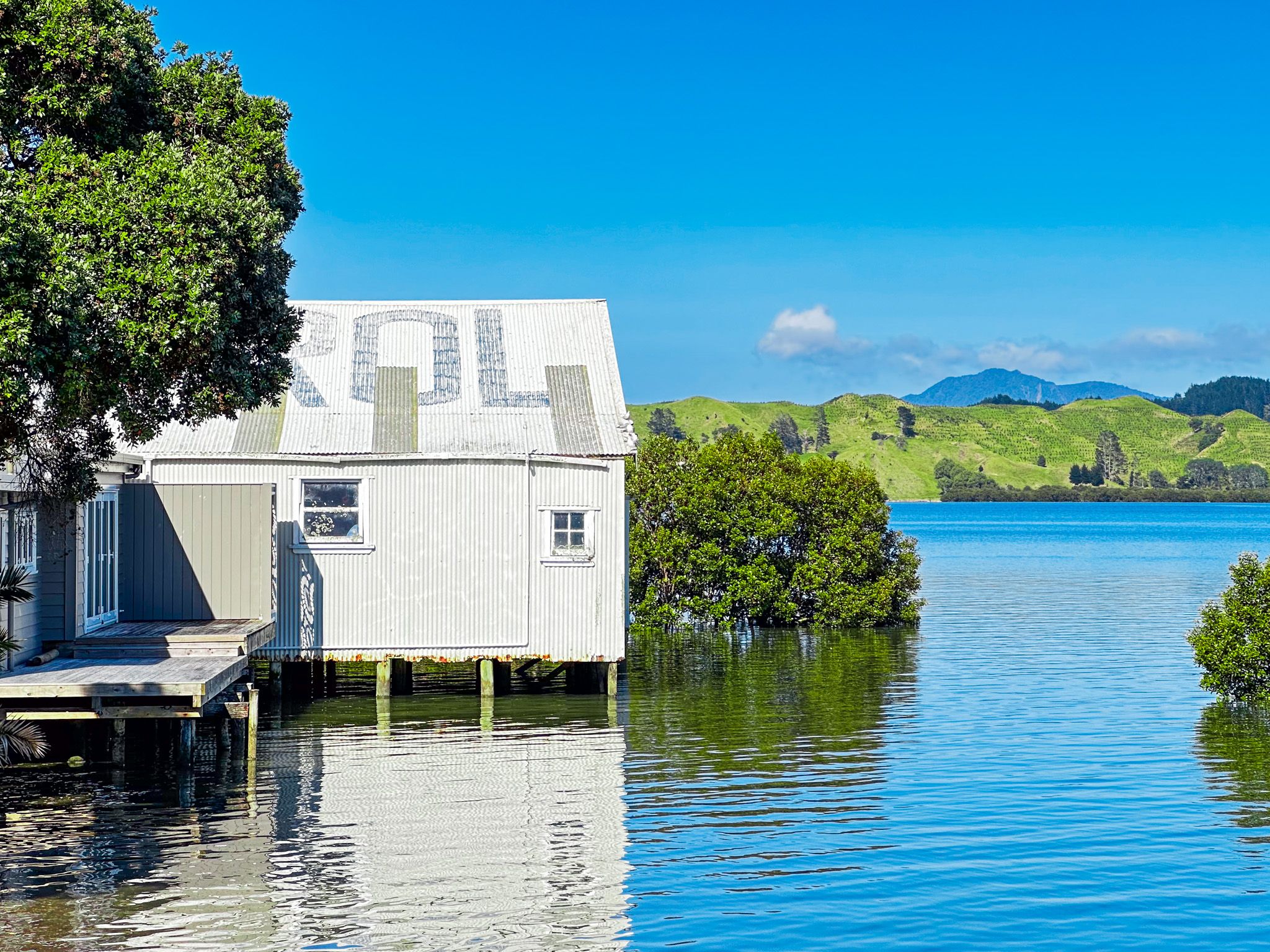
Tourism has positively impacted Rawene, leading to the establishment of galleries and cafes, including the popular Boatshed Cafe, which is perched over the water near the wharf.
Mangroves dominate the coastline, and a boardwalk southeast of the wharf allows you to explore these unique ecosystems while also revealing Rawene’s industrial past through the remnants of old timber mills.
Early European Settlement
Rawene is one of New Zealand's earliest European towns. Its origins, like those of Horeke and Kohukohu, lie in the kauri timber trade, with a mill and shipyards established early on.
In 1822, Captain James Herd was the first to enter the harbour and export timber. He returned in 1825 with settlers and negotiated land purchases for the New Zealand Company, although these deals were contested. Initially known as Herd's Point and later Hokianga Township, the town was renamed Rawene in 1884.
Clendon House and Local Legends
In 1862, James Clendon, a United States Consul to New Zealand, settled in Rawene with his wife, Jane, a local Māori. After Clendon's death, Jane managed to clear the family's debts and raise their seven children, living to the age of 81. Today, Clendon House is open to the public, offering a glimpse into this resilient family's history.
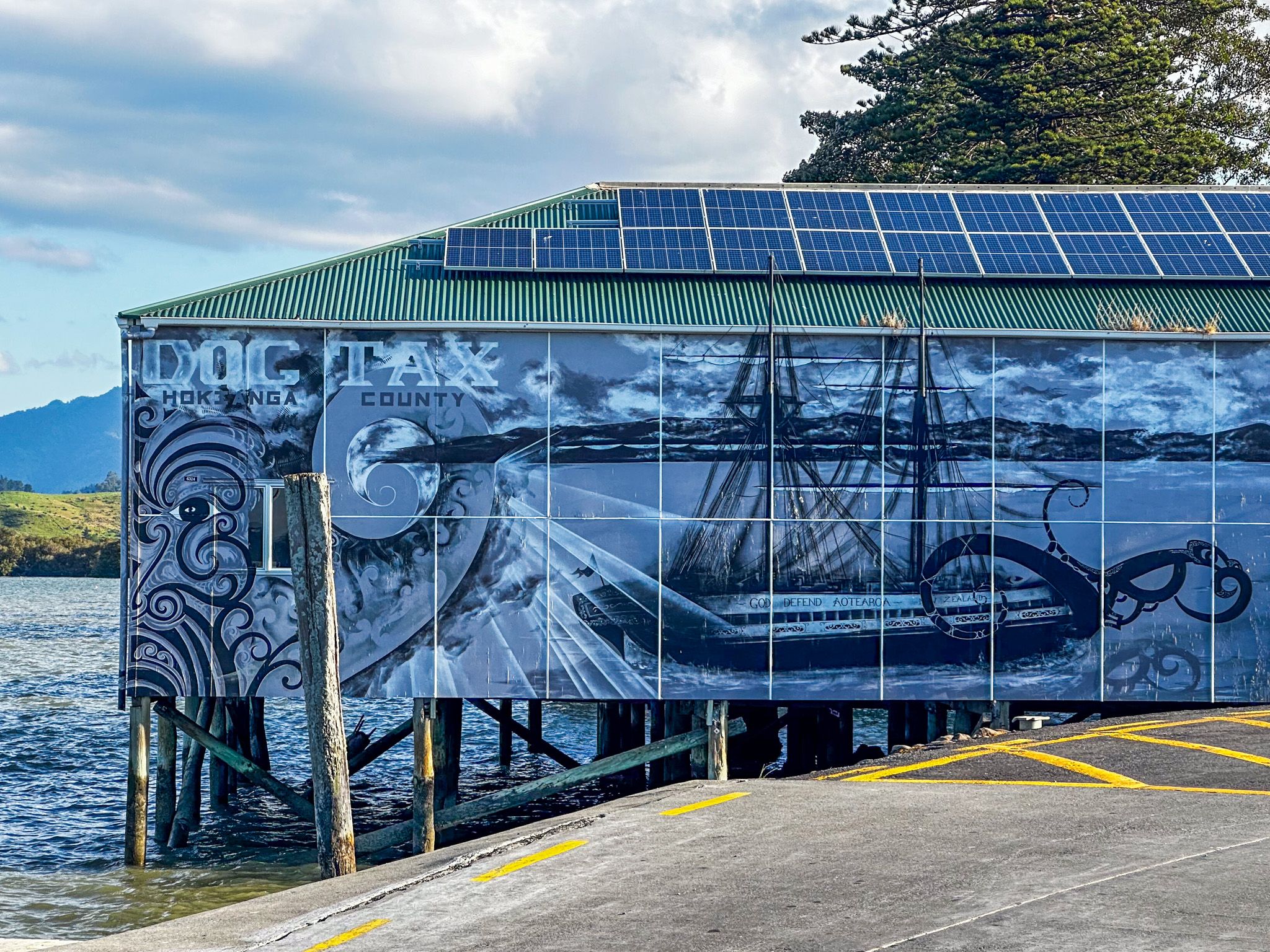
Rawene has also been the site of notable events, such as the Dog Tax War of 1898. Although not a real war, the incident saw armed Māori protestors enter the town over dog registration fees. The situation was defused by local publican Bob Cochrane, who invited the protestors for a beer, leading to a peaceful resolution.
Hokianga Hospital's Innovative Past
The Hokianga Hospital in Rawene has a fascinating history, particularly under Dr George Smith, who led the hospital from 1914 to 1948. Dr Smith was a pioneer in painless childbirth techniques, attracting many women to the area for their deliveries. His methods, initially scrutinised, were proven to be among the best in the country. The hospital's healthcare services, now known as Hauora Hokianga, have maintained their independence ever since.
Getting to Rawene
The town lies at the end of Rawene Road, which is accessed from State Highway 12, east of Opononi on the Hokianga Harbour. From Opononi, Rawene is 18 km and a 17-minute drive and from Auckland, it is 280 km and 3.5 hours.
Other places to visit around Rawene include Kotutu Boulders, Mangungu Mission, Ōmāpare and Arai-te-Uru / South Head of the Hokianga Harbour.