Exploring Māhia Peninsula
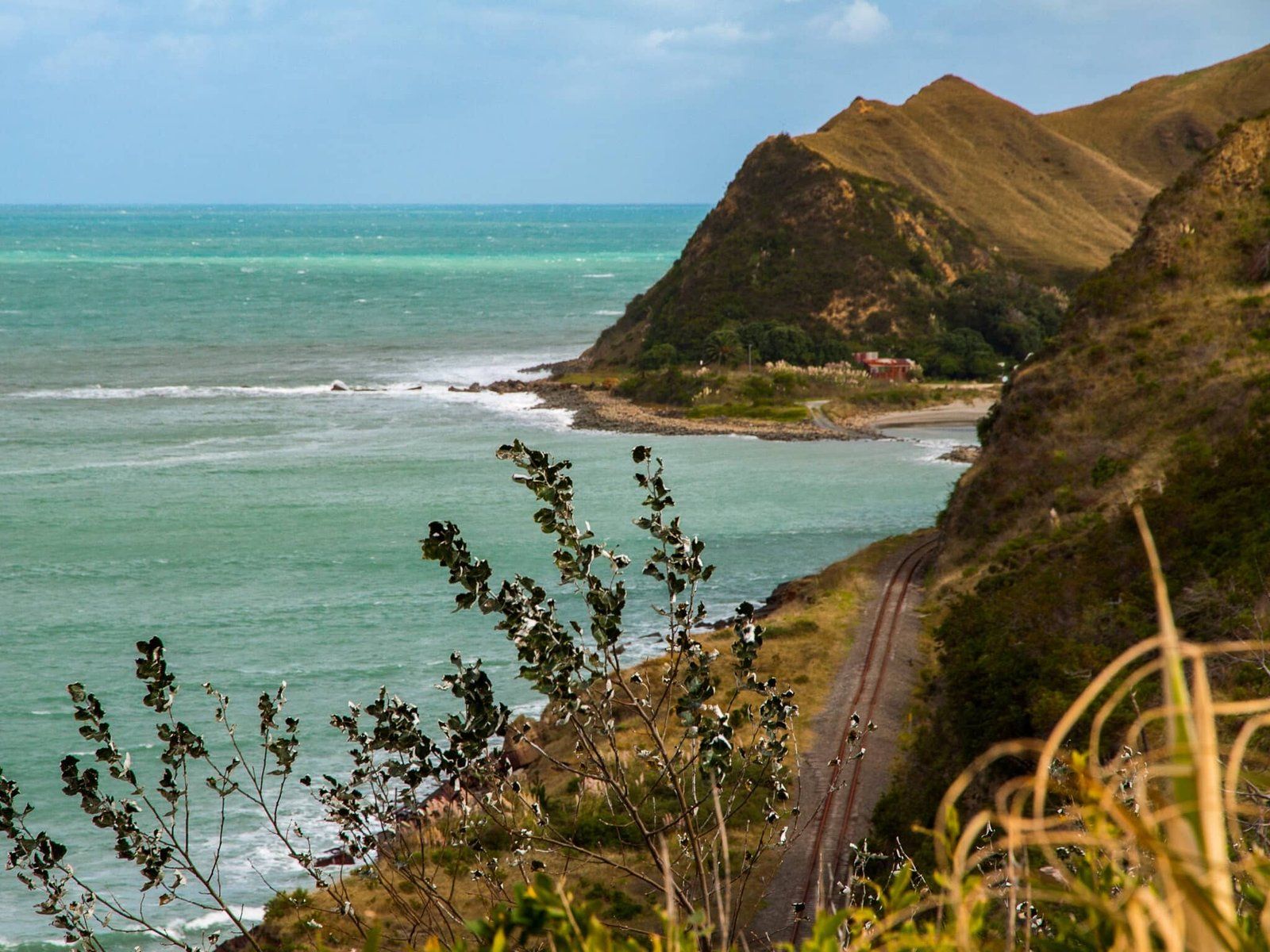
Lying between Napier and Tūranganui-a-Kiwa / Poverty Bay, Māhia Peninsula is a striking headland known for its mix of sweeping beaches, forested hills, and quiet coastal settlements. This relatively remote destination rewards curious travellers with forest walks, Māori and maritime history, and the unexpected presence of a cutting-edge rocket launch site. The small town at Māhia Beach has accommodation, a dairy, and a seasonal café, with a mix of holiday homes and baches lining the streets.
Beaches and Coastal Scenery
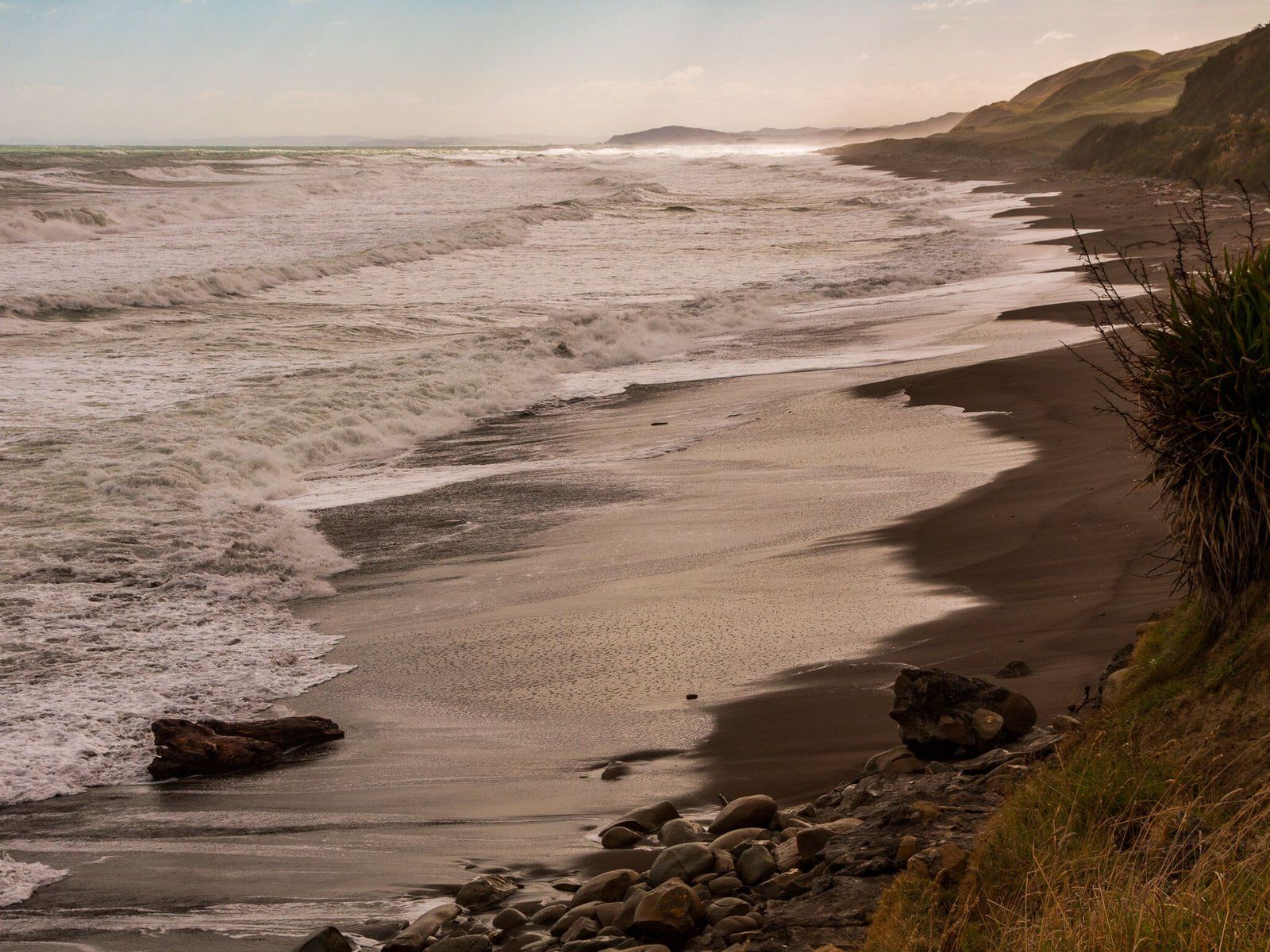
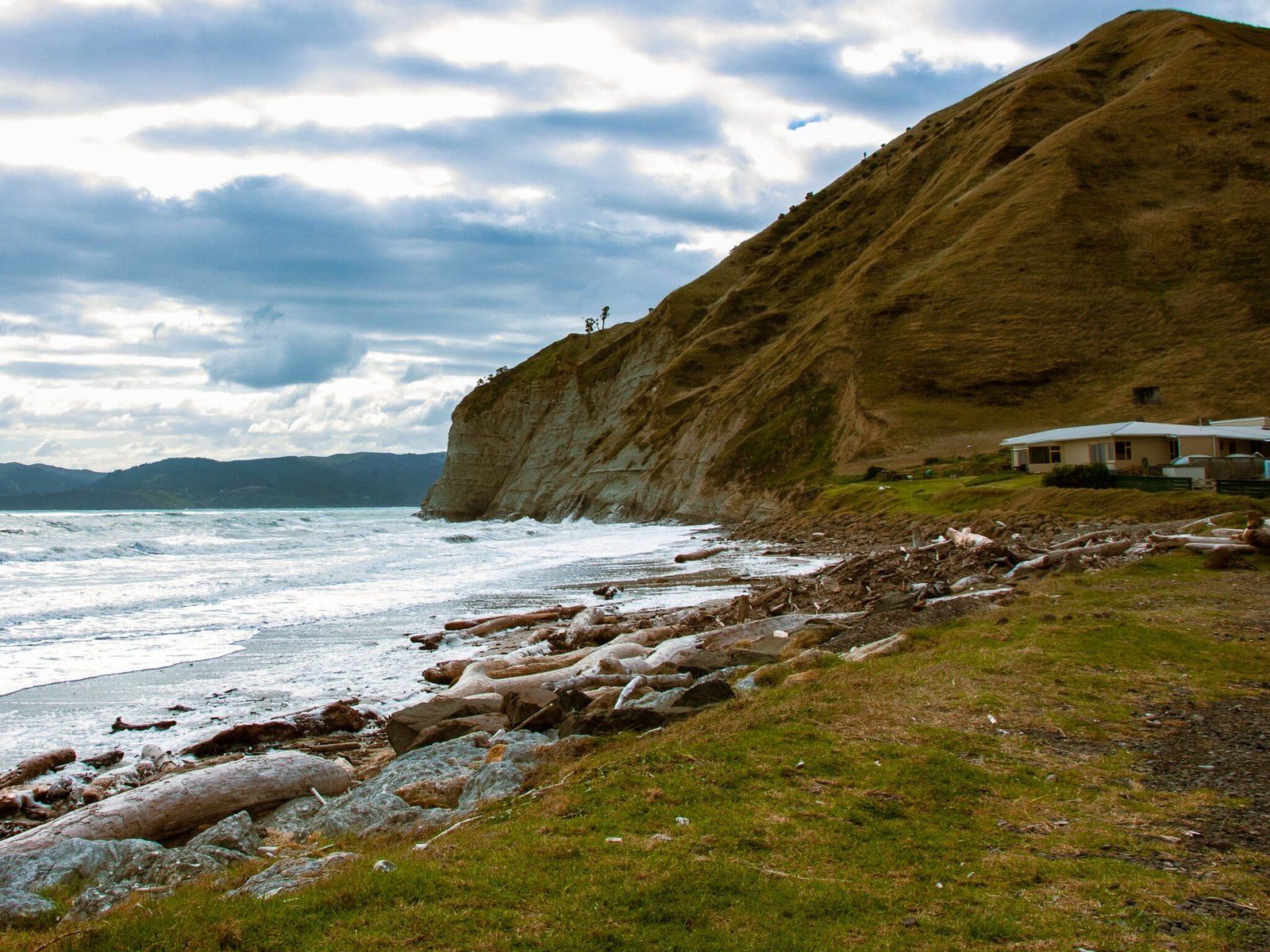
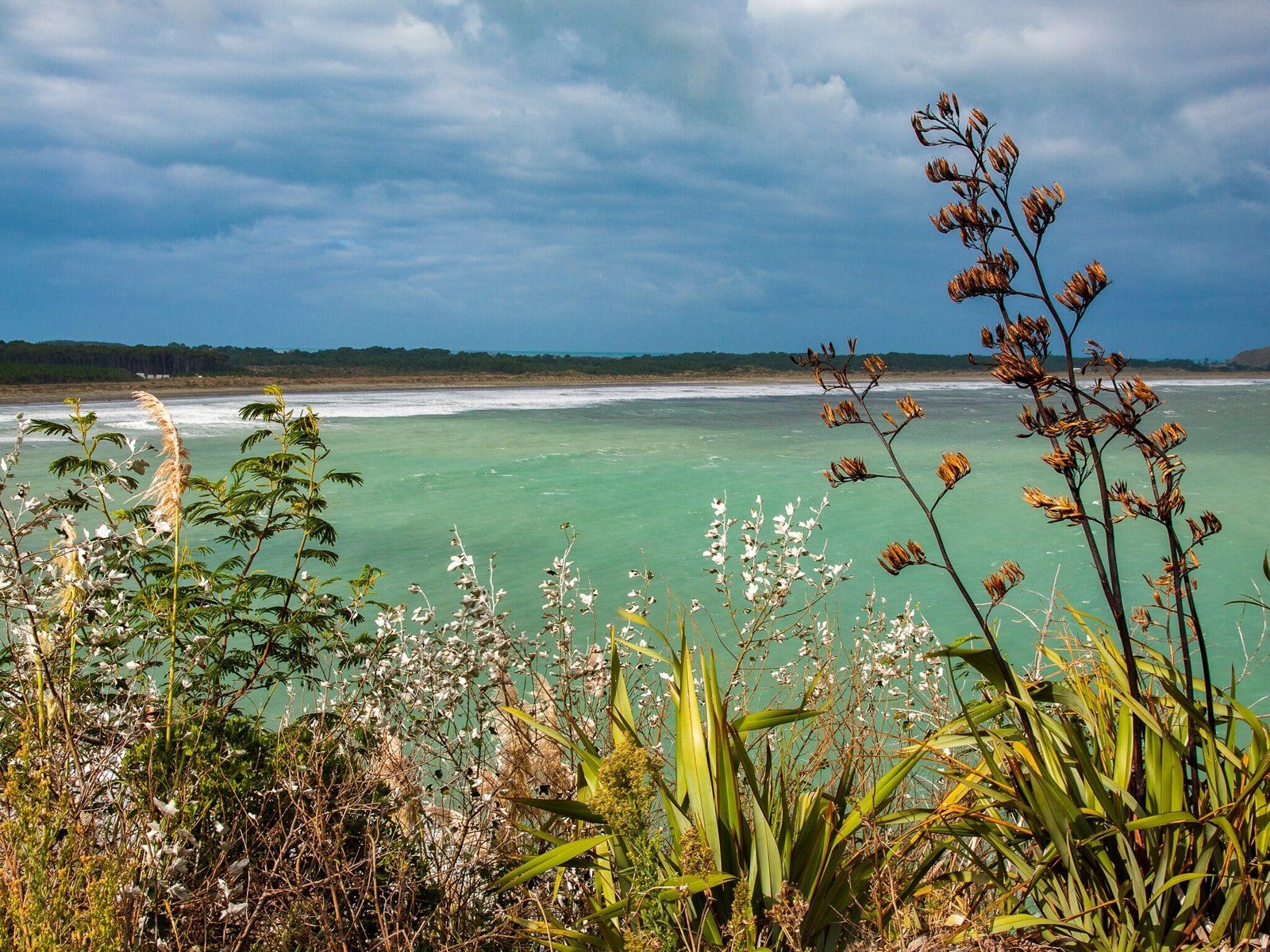
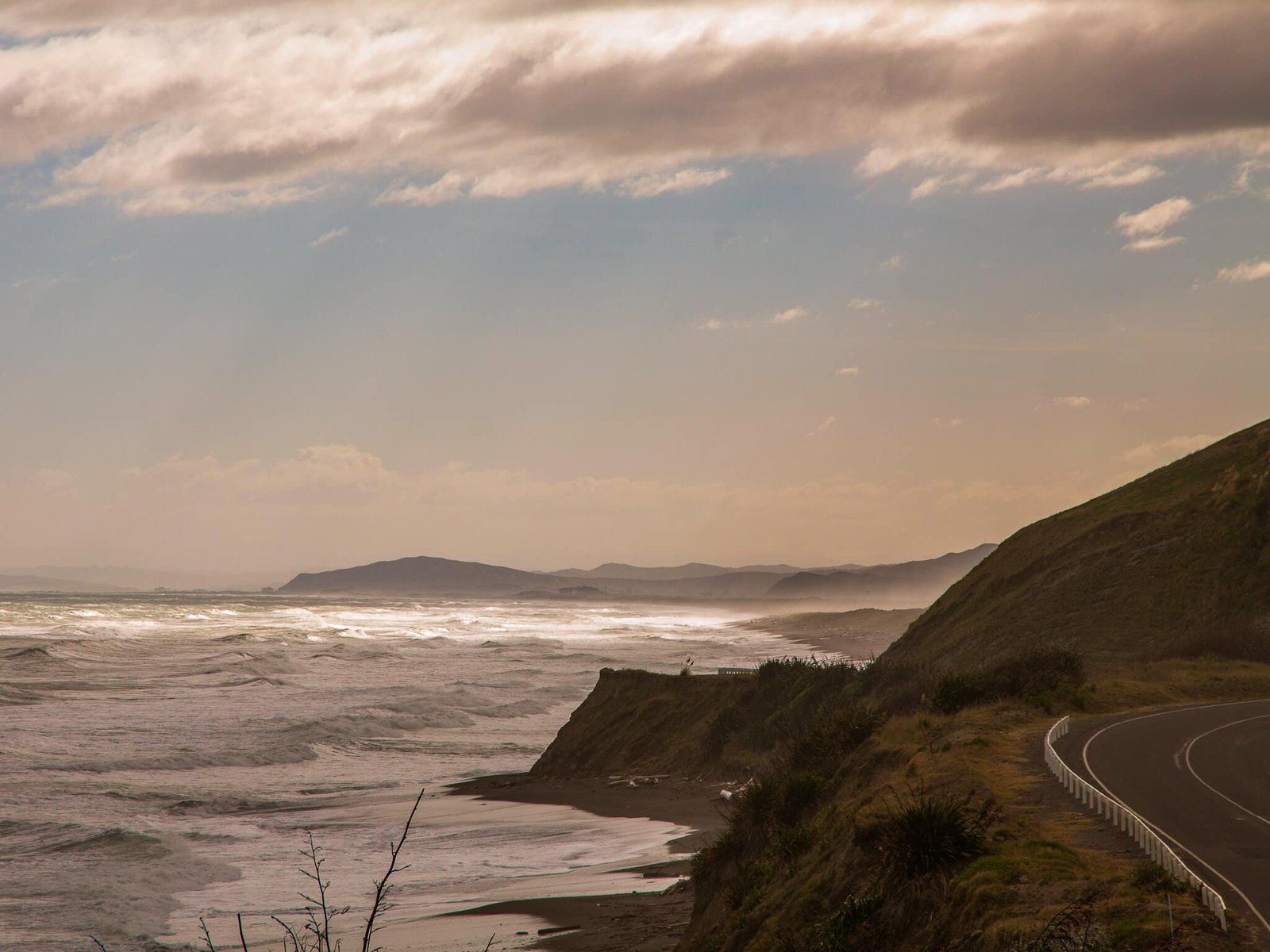
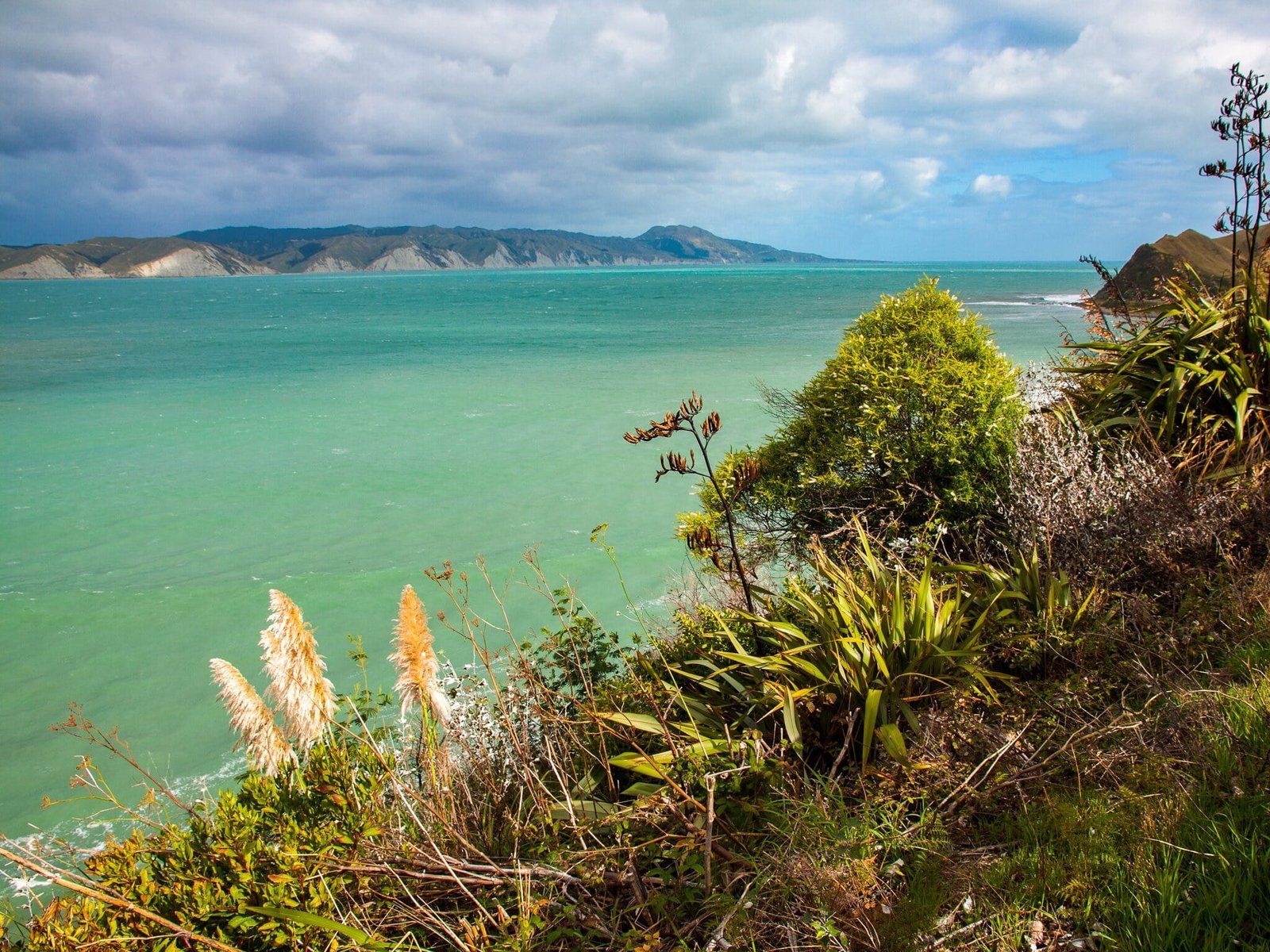
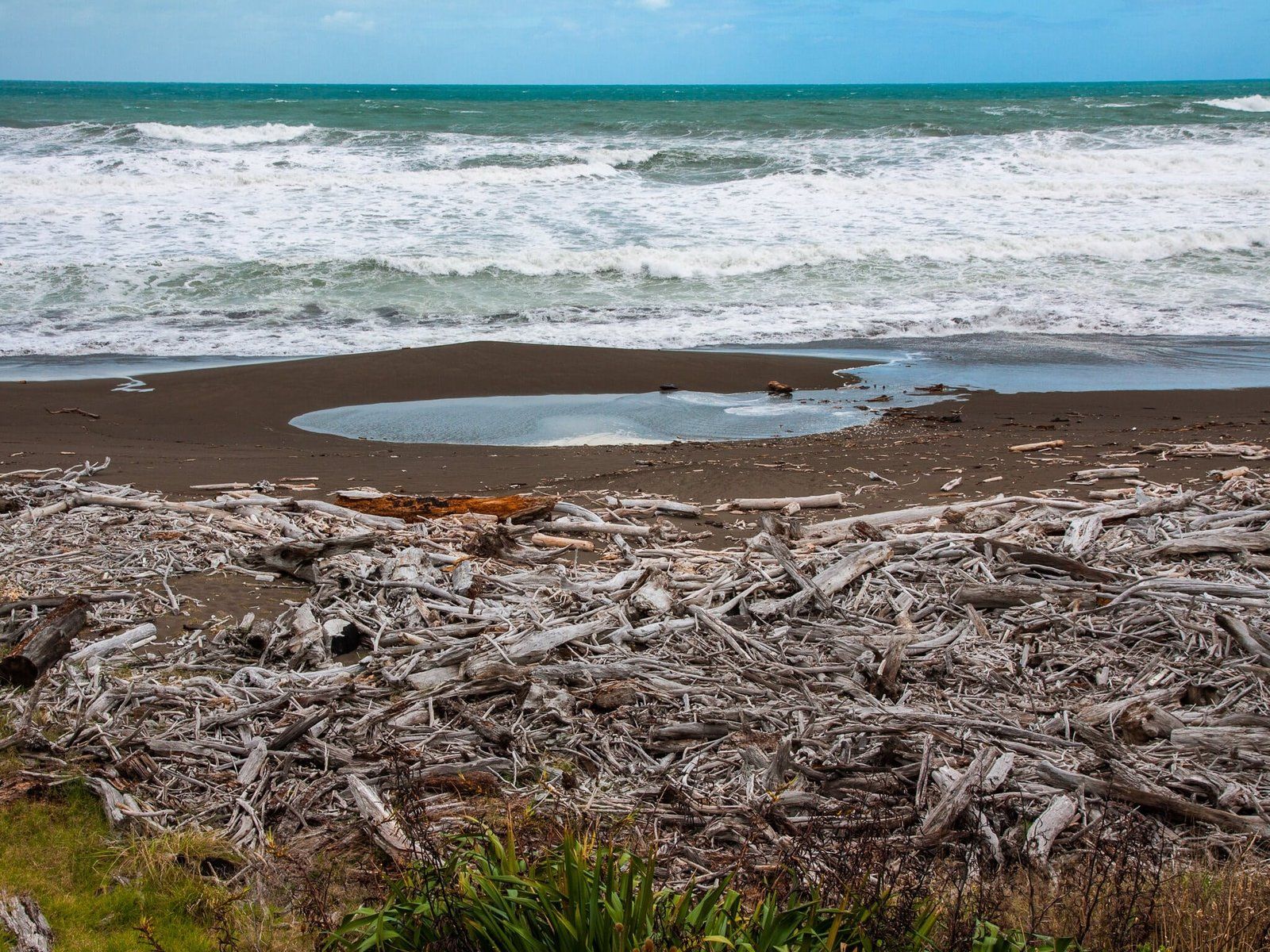
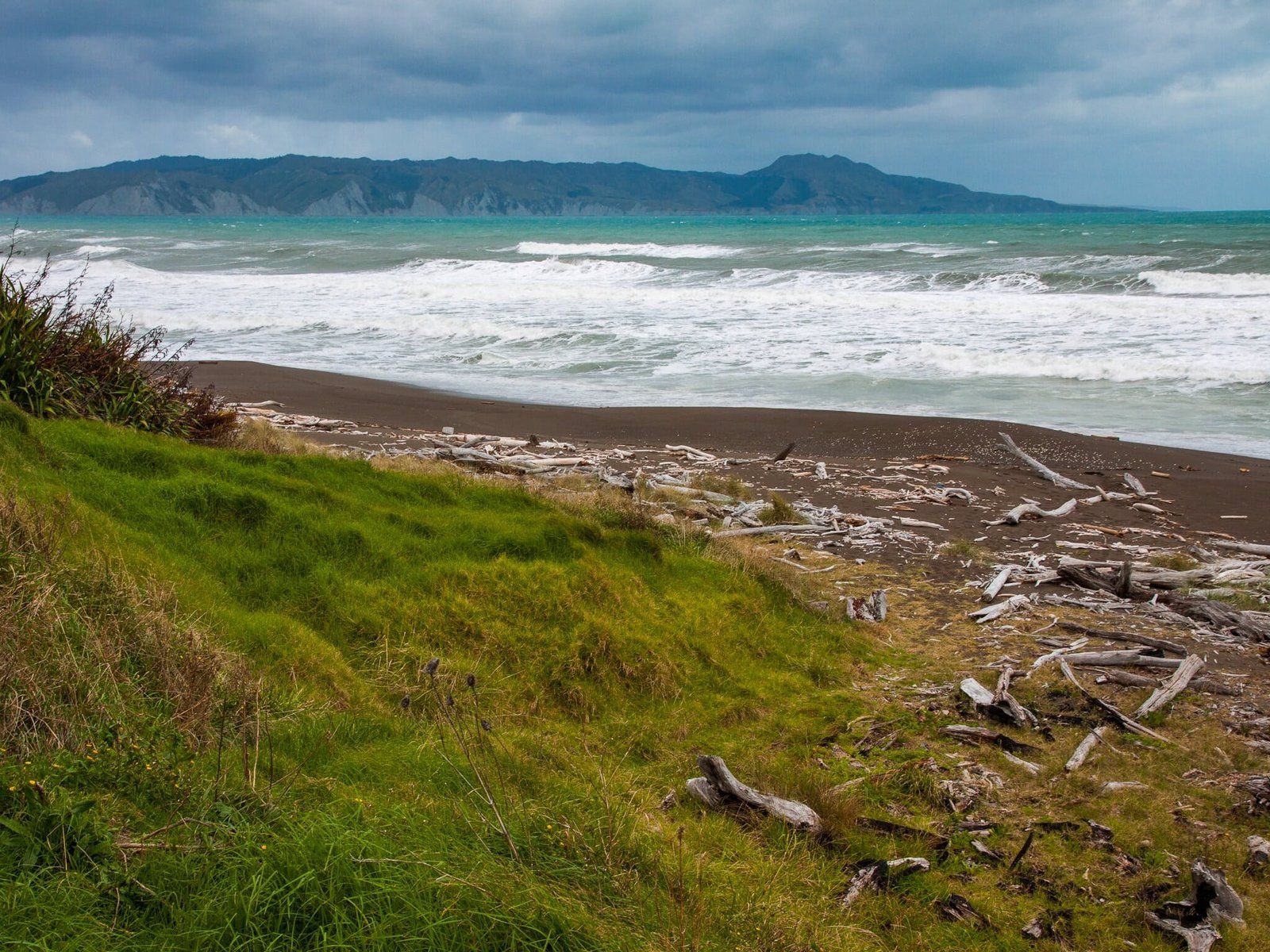
Māhia’s landscape was shaped by volcanic uplift and marine erosion, forming a narrow peninsula rimmed by golden beaches and rugged points. On the northern side, Mahanga Beach stretches along a gently sloping bay with consistent surf and wide views across Hawke Bay. To the south, Māhia Beach sits near the peninsula’s neck, offering safe swimming and a sheltered shoreline popular with families. Both beaches are backed by rolling farmland and dunes, and are easily accessible from local roads. There is also freedom camping near Mahanga Bay.
Walks and Outdoor Adventures
The Māhia Peninsula Scenic Reserve, managed by DOC, protects a patch of coastal forest that once cloaked much of the region. A 4.5 km loop track, accessed from Kinikini Road, winds through regenerating bush featuring kānuka, mānuka, and coastal broadleaf species. The walk climbs gently to reveal glimpses of both coasts before looping back through fern-filled gullies. Native birdlife can be heard throughout, especially in the early morning.
History and Culture
Ngāti Rongomaiwahine is the tangata whenua of the peninsula. The name Māhia derives from Māhia-mai-tawhiti, meaning “indistinct sound heard from afar”, a poetic description linked to ancient voyaging. The area’s sheltered bays were key landing and settlement zones for early Māori waka, and urupā (burial grounds) and pā sites are present on nearby headlands.
European whalers and traders arrived in the early 1800s, establishing shore stations. During the late 19th century, Māhia became a link in the coastal shipping trade, with a local wharf and store supplying nearby farms. Roads eventually displaced the trade, with old wharf foundations and fishing sheds of this era around Māhia Beach.
Today, Māhia is best known for its association with Rocket Lab, which established its launch complex at Ahuriri Point, the peninsula's southern tip. Access is restricted, but the road to the launch site passes remote beaches and headlands. Signs provide information on launch activities and public safety zones, and launches can sometimes be observed from nearby hills or beaches.
How to Get There
From Gisborne, follow State Highway 2 south for around 80 km (75 minutes), then turn left onto Māhia Road. The road climbs gently before descending to the isthmus and Māhia township. From Napier, it is a 166 km drive and takes 2.5 hours.
To reach the scenic reserve, continue along Māhia East Coast Road, turning left onto Kinikini Road. For those heading to the Rocket Lab launch site, stay on Māhia East Coast Road until it ends at Ahuriri Point.
Nearby places to visit include Mōrere Hot Springs. Wairao is to the west and from there you can access Lake Waikaremoana.