Russell: Early New Zealand History
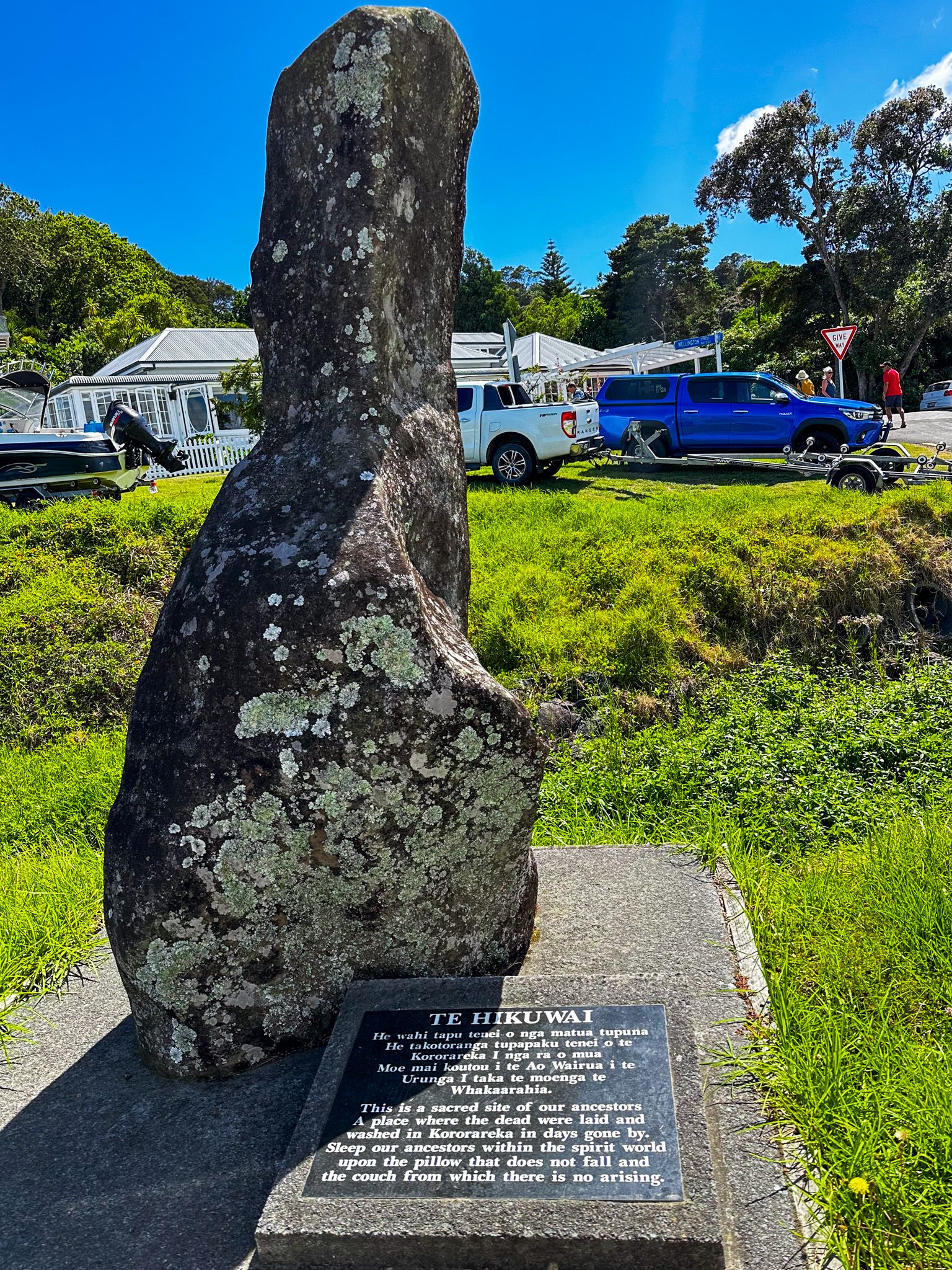
Russell, situated in the Bay of Islands, is New Zealand's most historic town. Originally named Kororāreka, meaning "sweet blue penguin," it was first settled by Māori due to its rich food resources and fertile land. The name is believed to have come from a nourishing penguin broth that revived a sick chief, highlighting the area's heritage.
Early European Encounters and Conflict
The region's first European visitors were explorers James Cook in 1769 and Marc-Joseph Marion du Fresne in 1771, who noted its prosperity. However, du Fresne's visit ended tragically when he and 25 crew members were killed, possibly due to a breach of tapu. In retaliation, the remaining French sailors killed 250 Māori, demonstrating the destructive power of firearms.
Development and Lawlessness
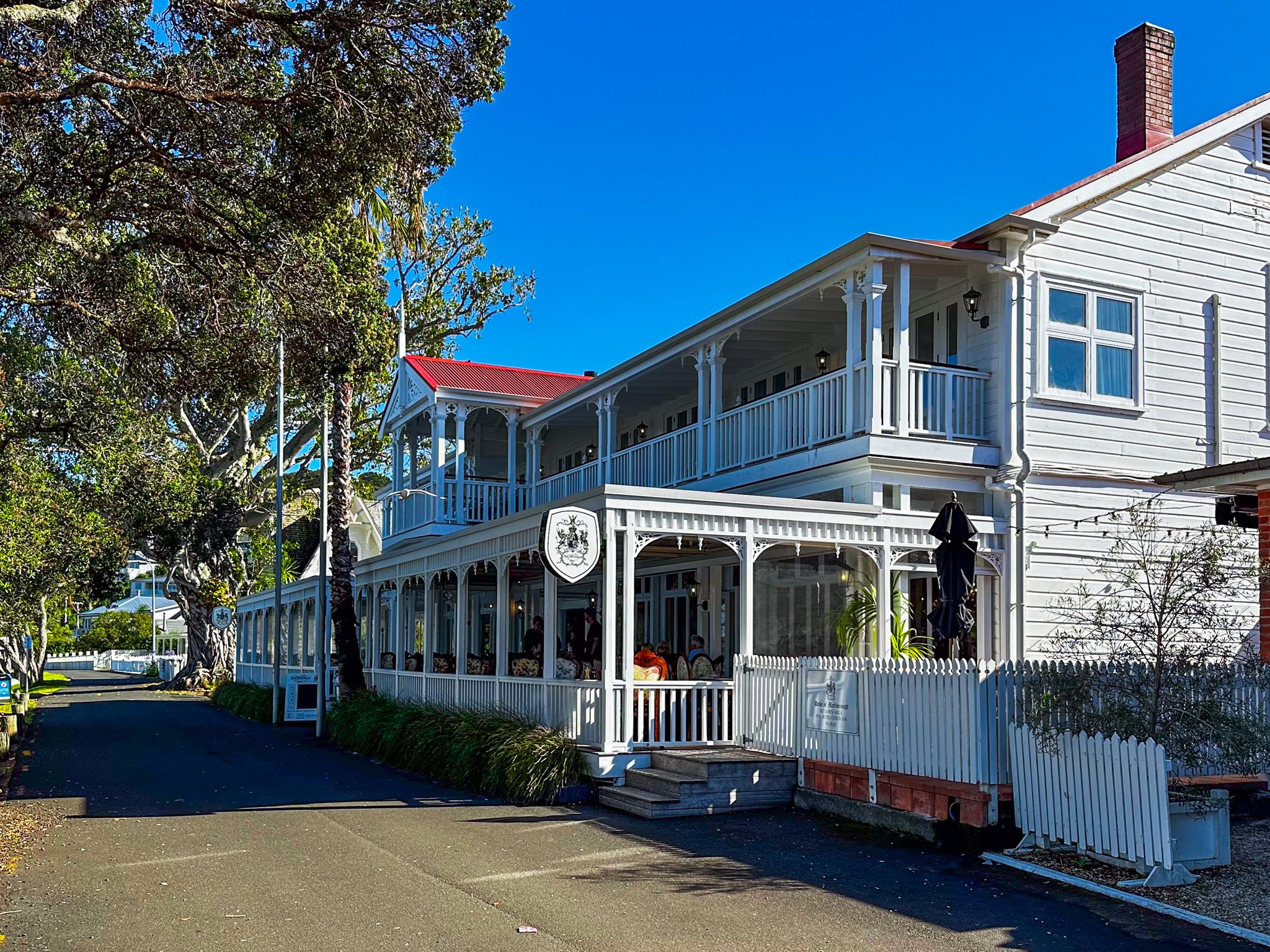
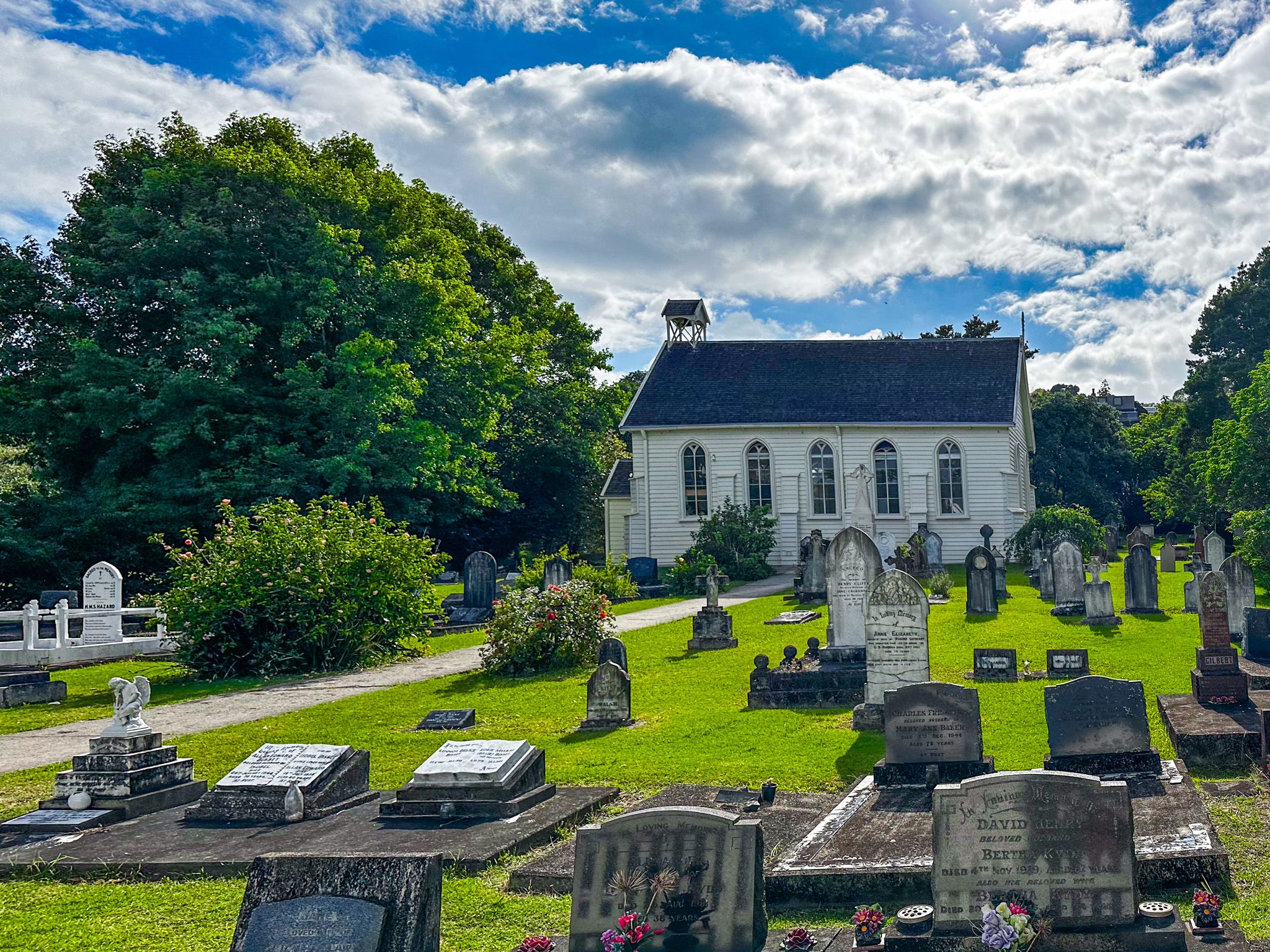
Despite this violent history, the early 1800s saw an influx of sealing and whaling ships from Europe and America. The Bay of Islands became a vital trading hub, with local Ngāpuhi, led by Hongi Hika, trading with the tauiwi (foreigners). Kororāreka evolved into the first European-style town, supported by Māori who exchanged food, timber, and services for guns and European goods. The Duke of Marlborough Hotel, New Zealand's oldest pub, was established in 1827, and by 1835, Christ Church, the country's oldest church, was built with contributions from figures such as Charles Darwin, an early visitor.
The town gained a reputation for lawlessness, described by missionaries as the "Hell Hole of the Pacific." Darwin himself referred to it as a "stronghold of vice." European law was absent, and Māori allowed the town's residents to self-govern.
In 1830, the Girls' War erupted on the town's beach, involving Ngāpuhi subtribes and resulting in over 100 Māori deaths. This conflict was connected to the New Zealand-wide Musket Wars that spanned over 20 years.
Political Changes and the Treaty of Waitangi
Efforts to regulate European conduct led to the arrival of James Busby, the first British-appointed New Zealand Resident, in 1833. He encouraged Northern Māori iwi to sign the Declaration of Independence of the United Tribes of New Zealand (He Whakaputanga o te Rangatiratanga o Nu Tireni) in 1835, providing for British recognition of NZ as a state and of NZ-flagged vessels.
By 1840, Kororāreka was the most significant European town in New Zealand. The first British governor, William Hobson, declared his status there and announced the forthcoming Treaty of Waitangi, signed in Waitangi the following week. Initially, Hobson chose Okiato, seven kilometres south of Kororāreka, as the capital, renaming it Russell after Lord Russell. However, Auckland was soon selected as the capital, and Russell/Okiato was abandoned. In 1844, Governor Robert FitzRoy designated Kororāreka as part of the township of Russell, with Kororāreka now referring only to the bay in front of the town centre.
Missionary Influence and Conflict
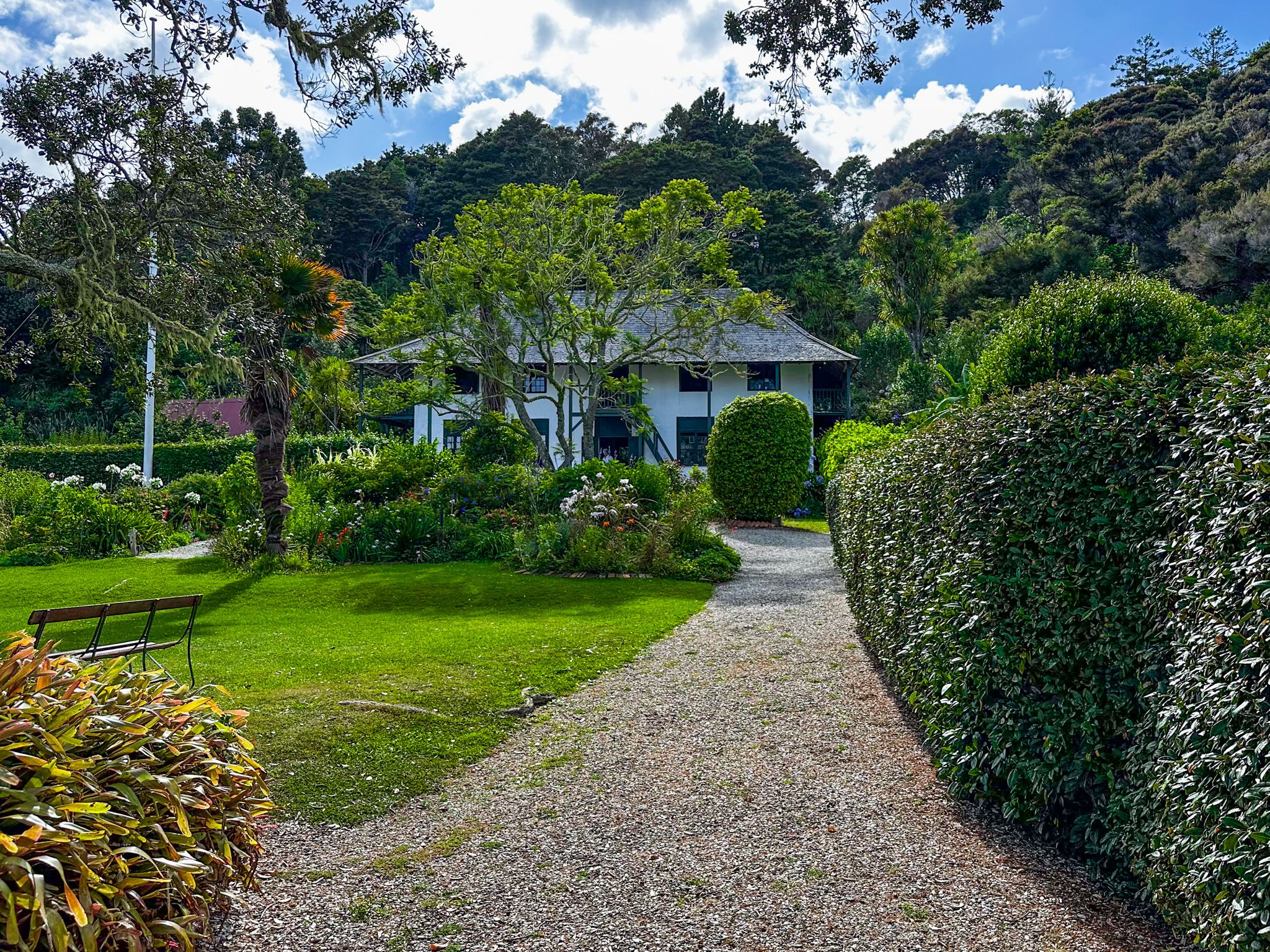
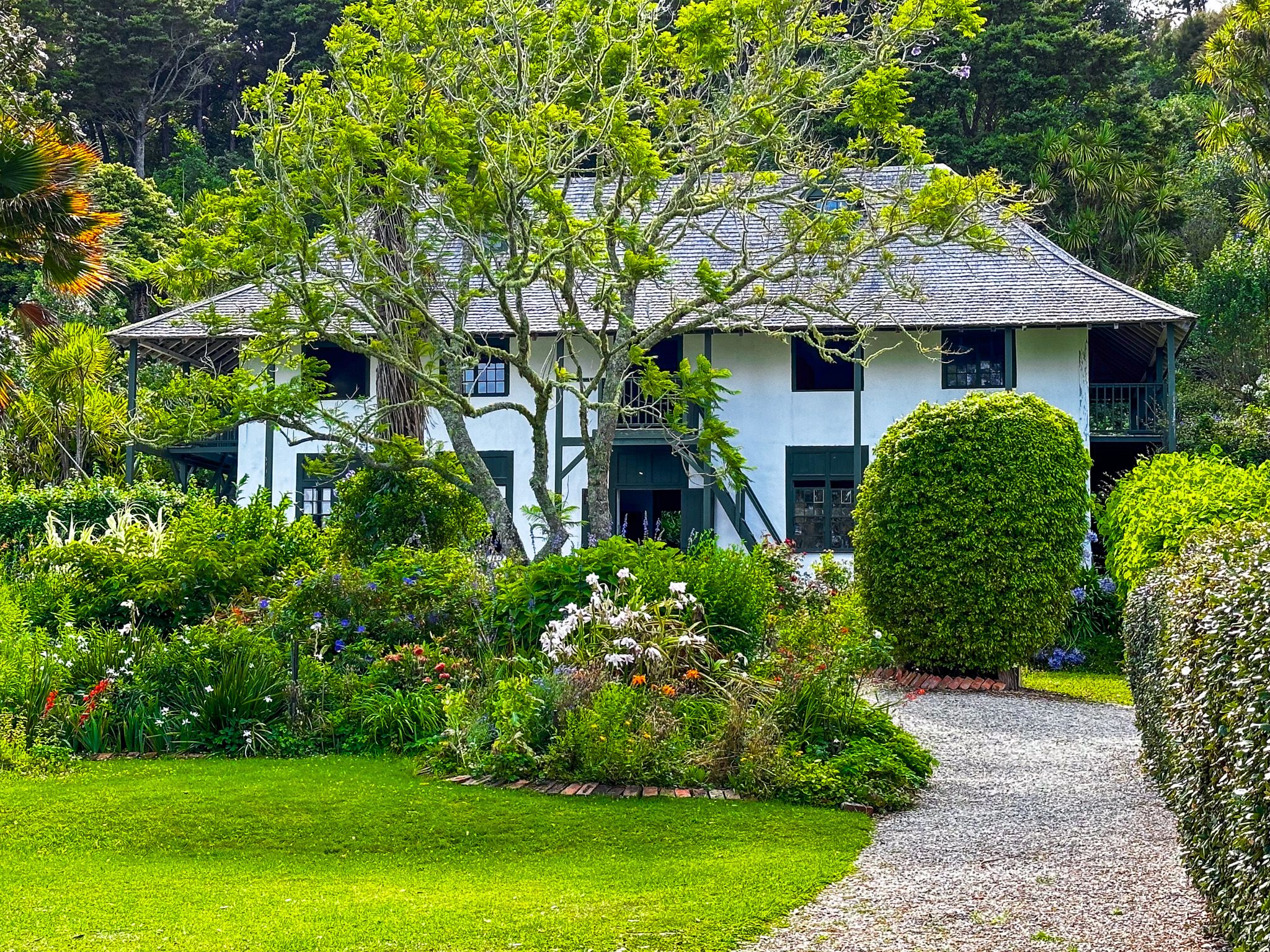
The Anglican Church Missionary Society dominated the spread of Christianity in the Bay of Islands until the 1840s. In 1841–42, Jean Baptiste Pompallier established a Roman Catholic mission with a printing press for Māori language bibles. These historic buildings and gardens can still be visited at the south end of Kororāreka Bay.
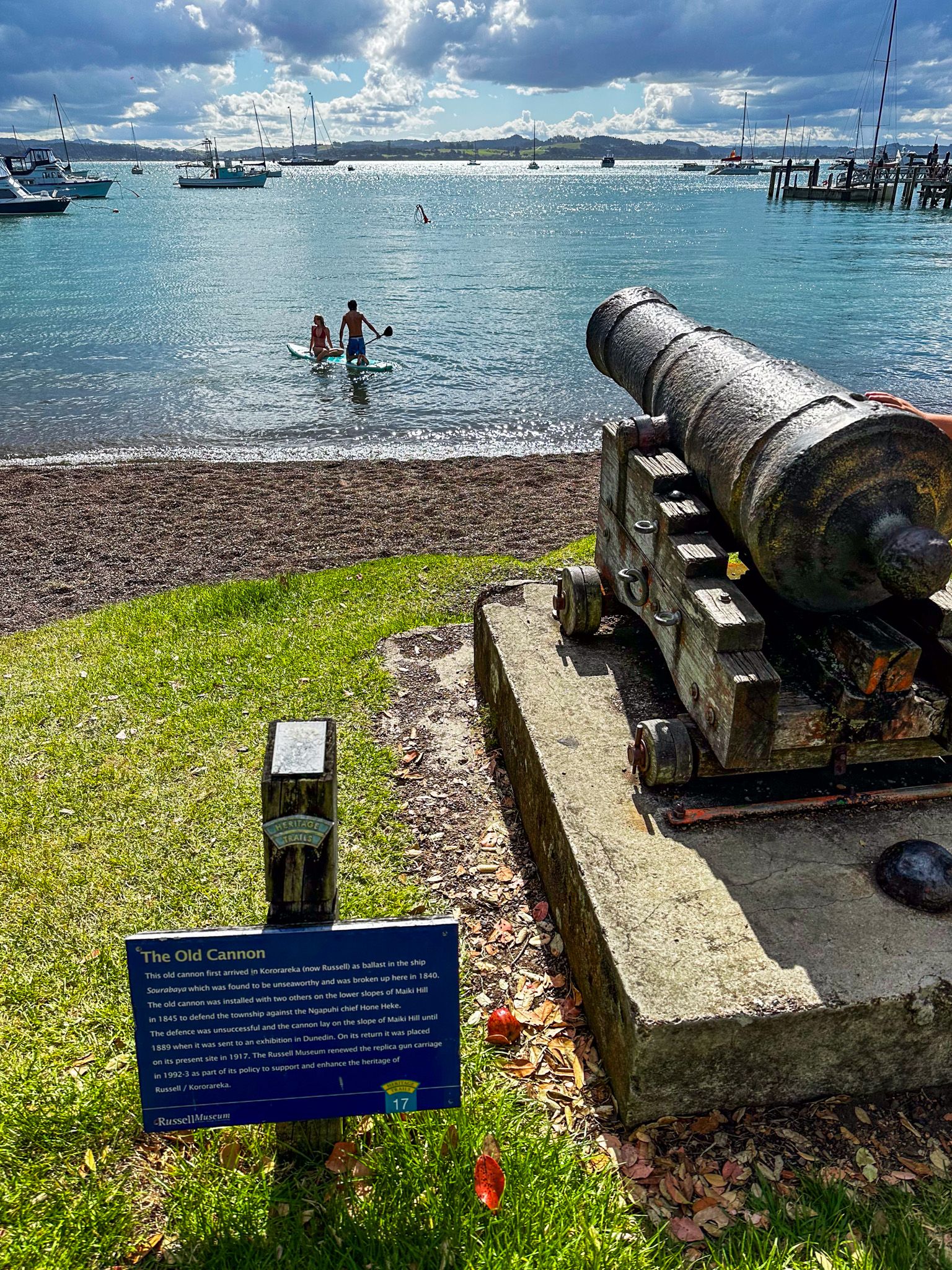
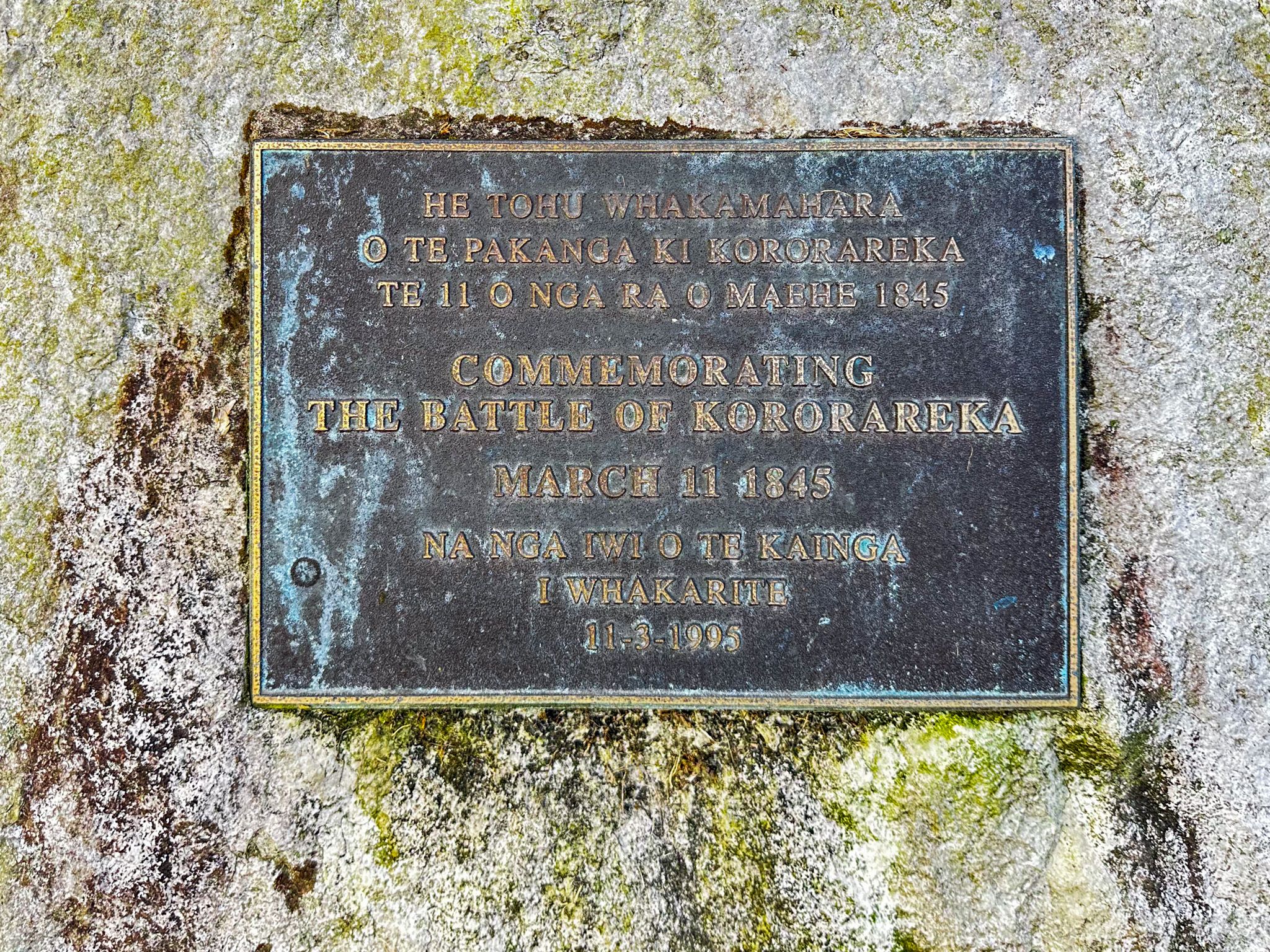
The Flagstaff War, the first conflict between Māori and the new government, began near Kororāreka. Ngāpuhi, led by Hōne Heke, protested government tax policies and the capital's relocation to Auckland, which negatively impacted the iwi. The repeated cutting down of the British flagstaff on Maiki Hill led to the Battle of Kororāreka in 1845, resulting in the destruction of most town buildings, including the Duke of Marlborough Hotel. However, Christ Church and the Pompallier Mission survived, and bullet holes can still be seen on the side of the church today.
Historic Church Graveyard
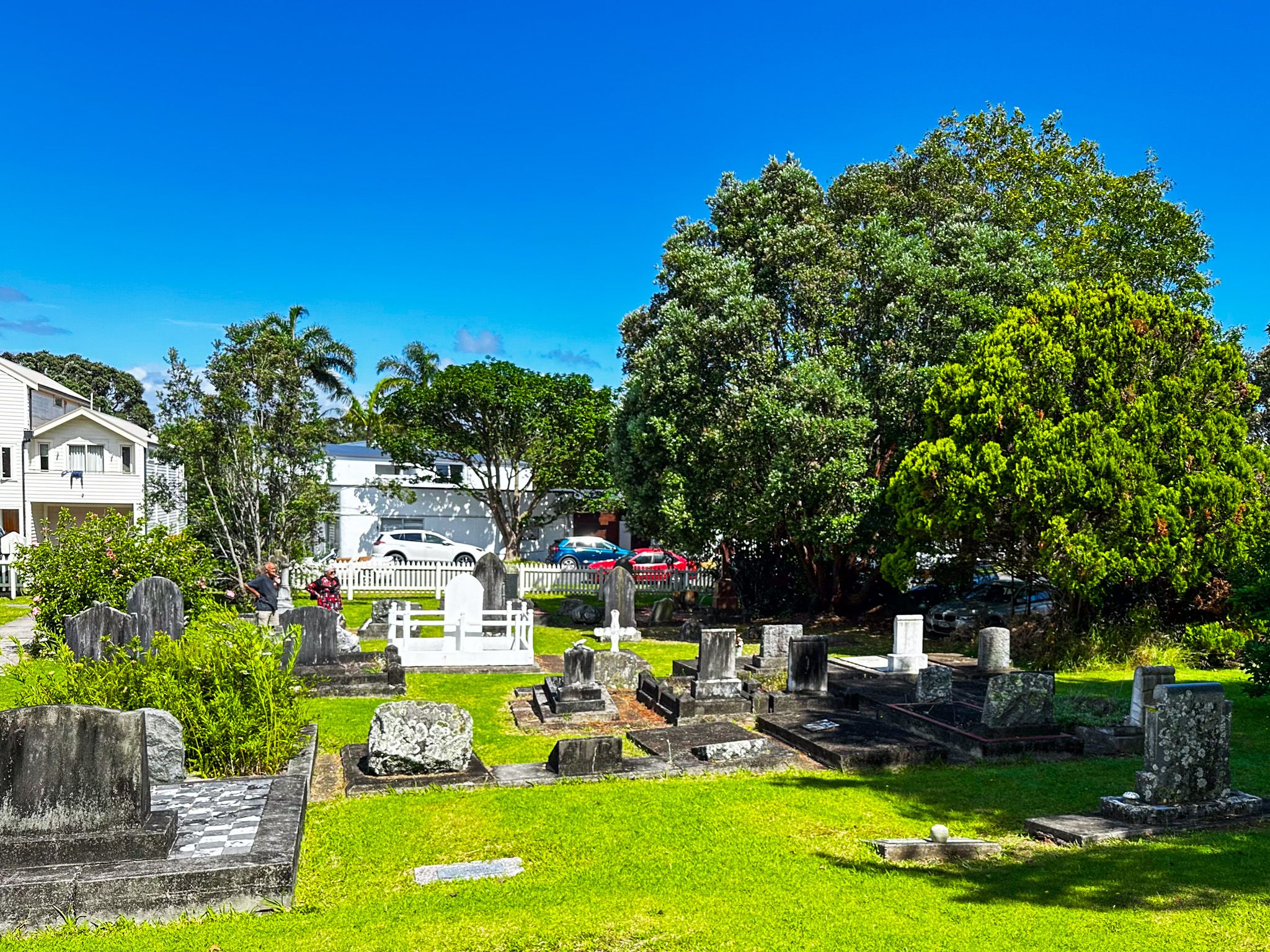
The church graveyard in Russell holds significant historical value. The land sale by the iwi to support the church required equal burial rights for Europeans and Māori. Notable graves include Tamati Waka Nene, one of the first signatories of the Treaty of Waitangi, Hannah King Lethbridge, the first European woman born in New Zealand and those who perished in the Battle of Kororāreka.
How to Get There
To reach Russell, you can drive or take a ferry from Opua, accessible via State Highway 1 from Auckland. The ferry ride takes about 15 minutes.
Nearby, you can visit Paihia and Kerikeri, two other early towns on the Bay pf Islands, and Waitangi, where the Treaty of Waitangi was signed, adding another layer of historical significance to your trip.